
Learning Together at St John XXIII, Stanhope Gardens
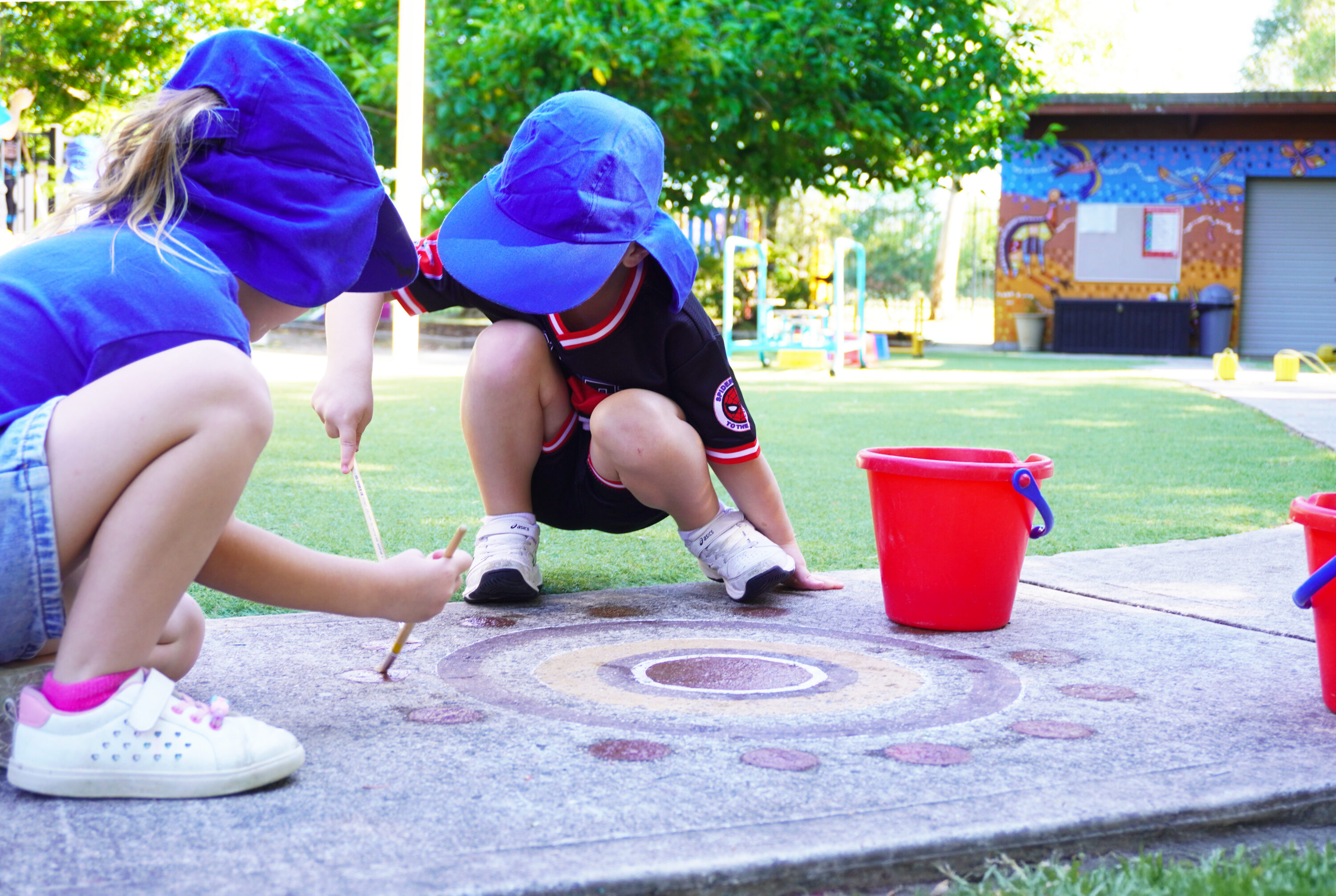
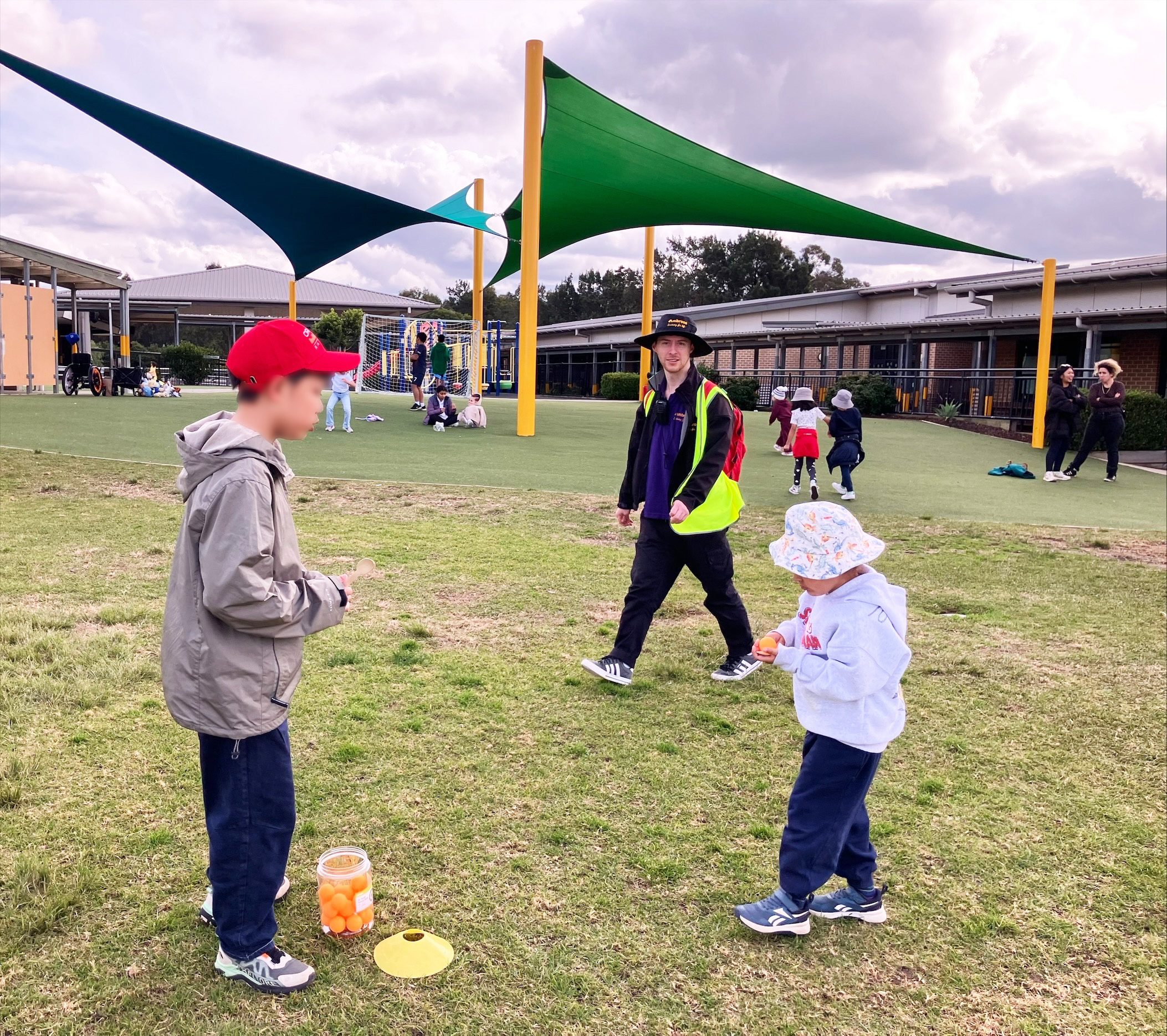
During the July school holidays, children from Early Learning and Vacation Care at St John XXIII Stanhope Gardens developed new friendships and skills through shared experiences and activities.
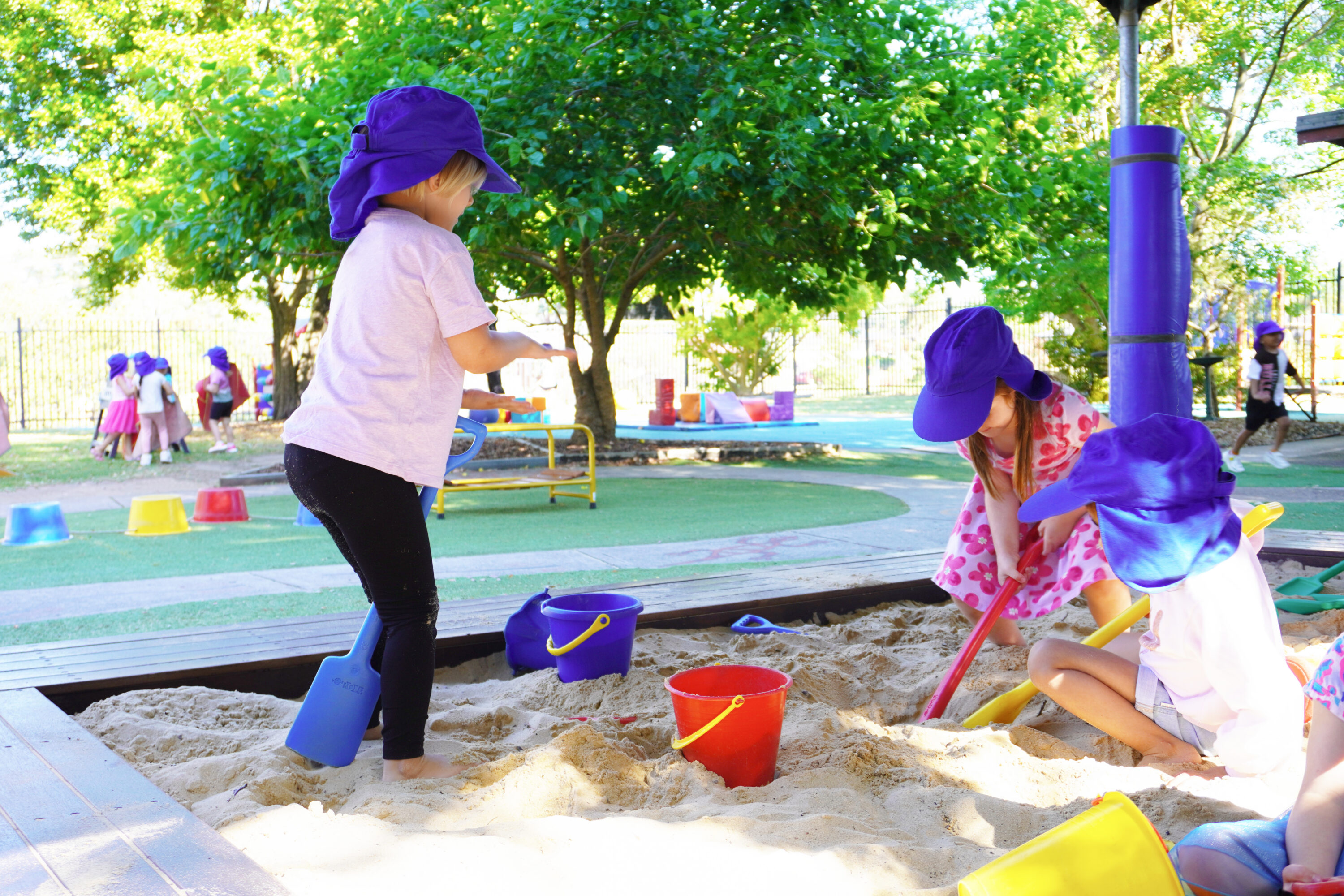
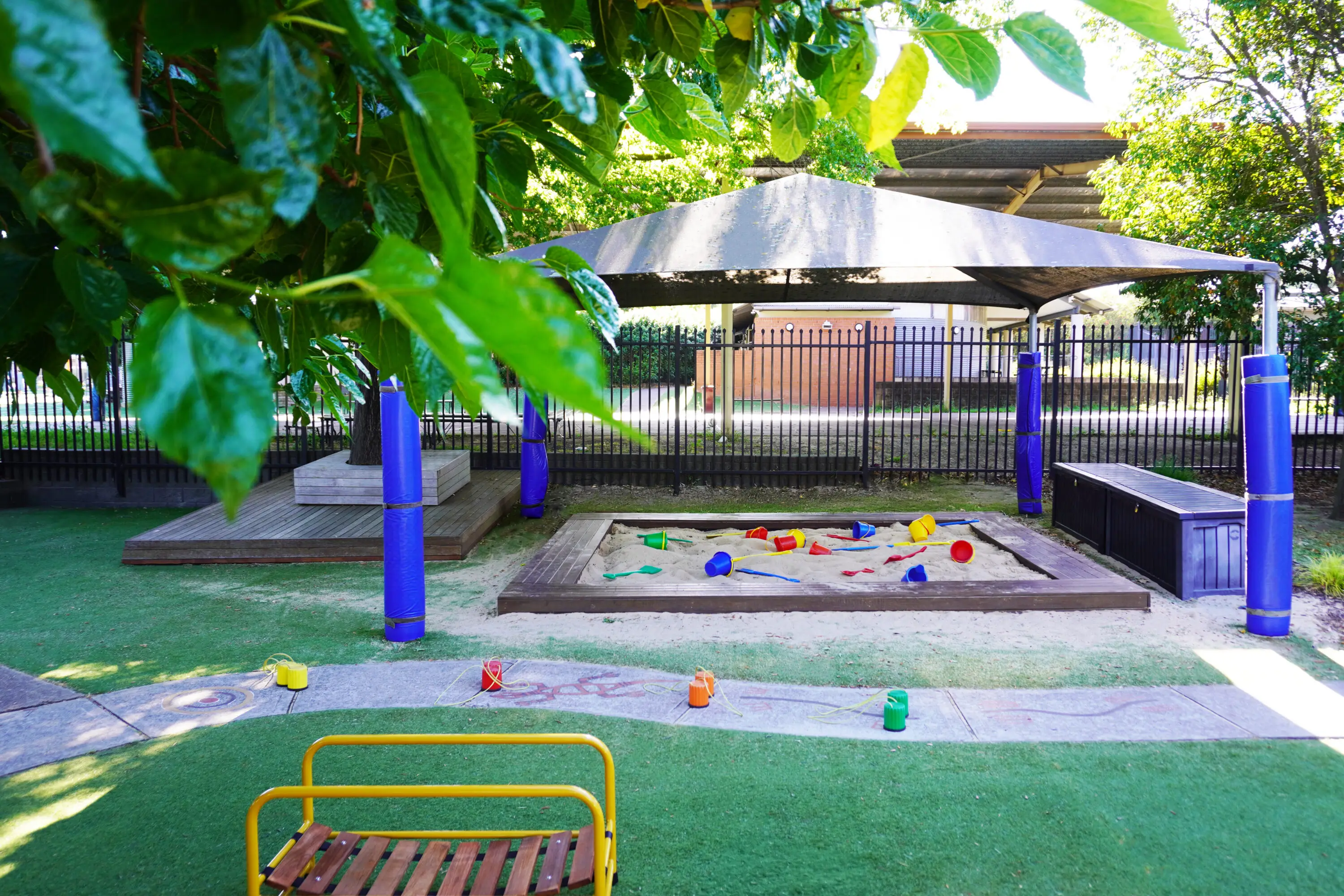
We know that a positive and engaging early learning environment is crucial for children to thrive and flourish. That’s why we create an atmosphere that encourages them to explore, learn, and grow in a way that feels natural and exciting.
Approved to care for up to 39 children, our educational practices are inspired by the Reggio Emilia approach, and our curriculum follows methodologies laid out by the Early Years Learning Framework.
In the skilled hands of our dedicated Educators this co-constructed curriculum makes learning fun and ensures that all the necessary building blocks are in place to help your child reach their full potential.
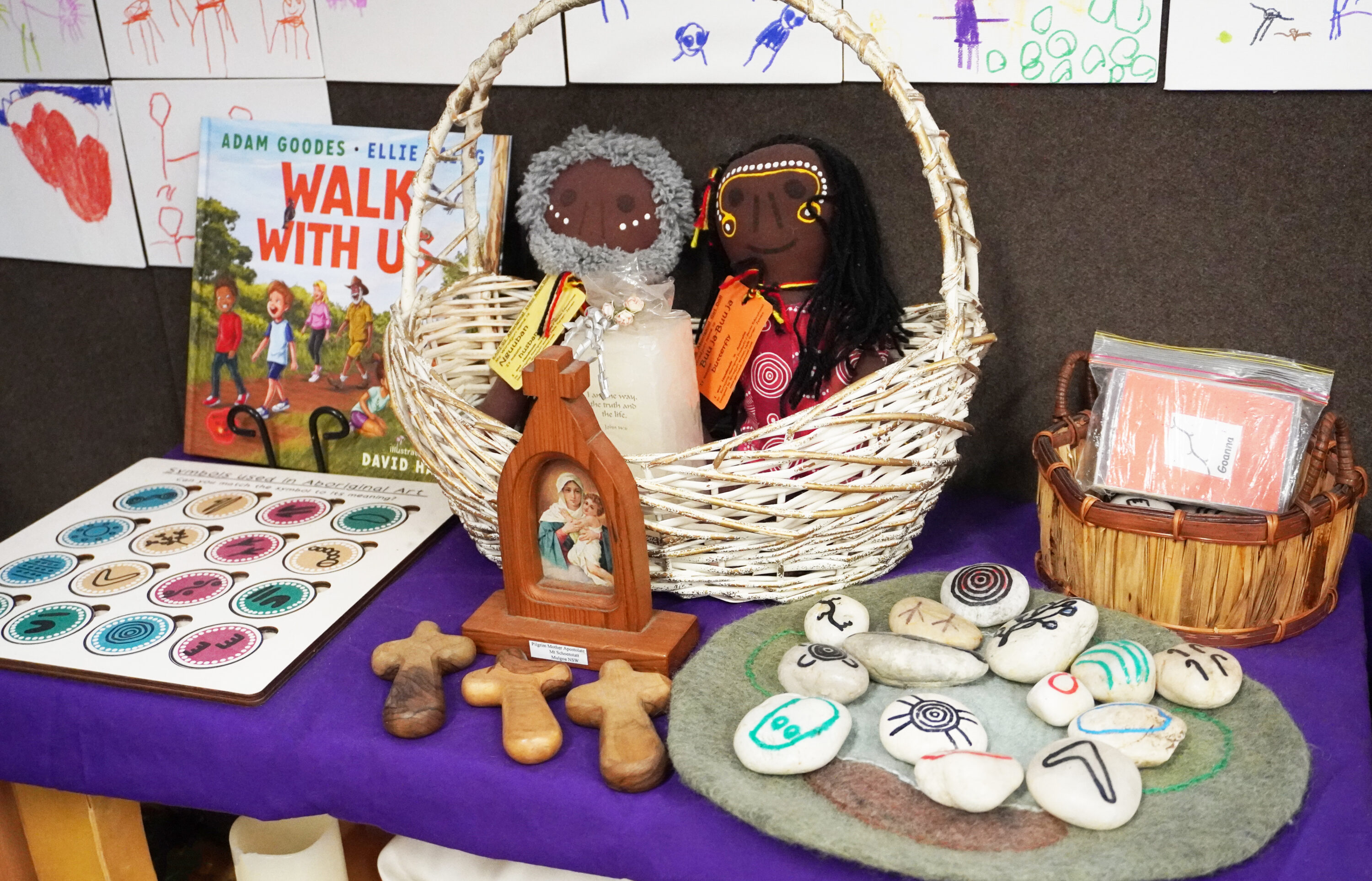
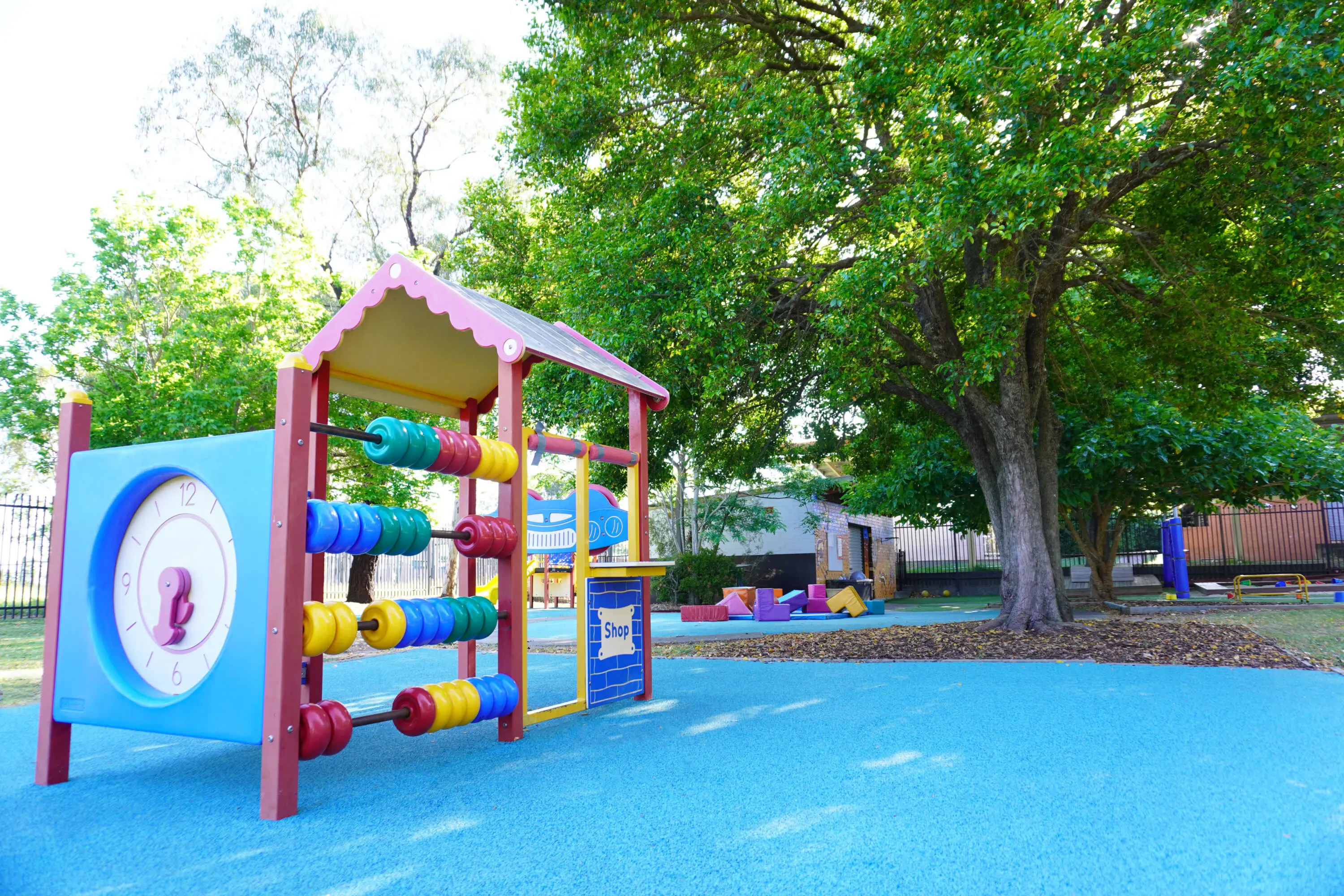
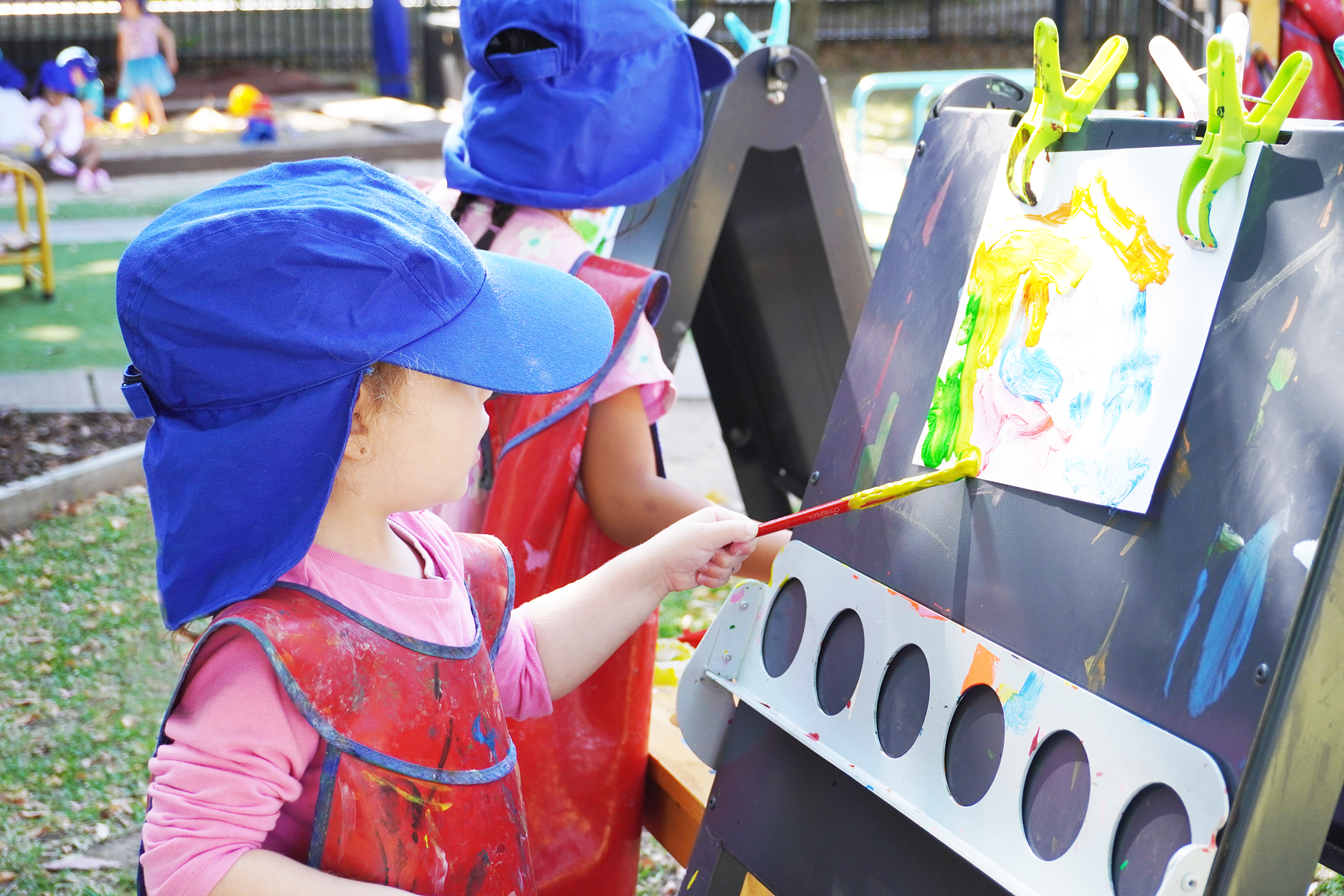
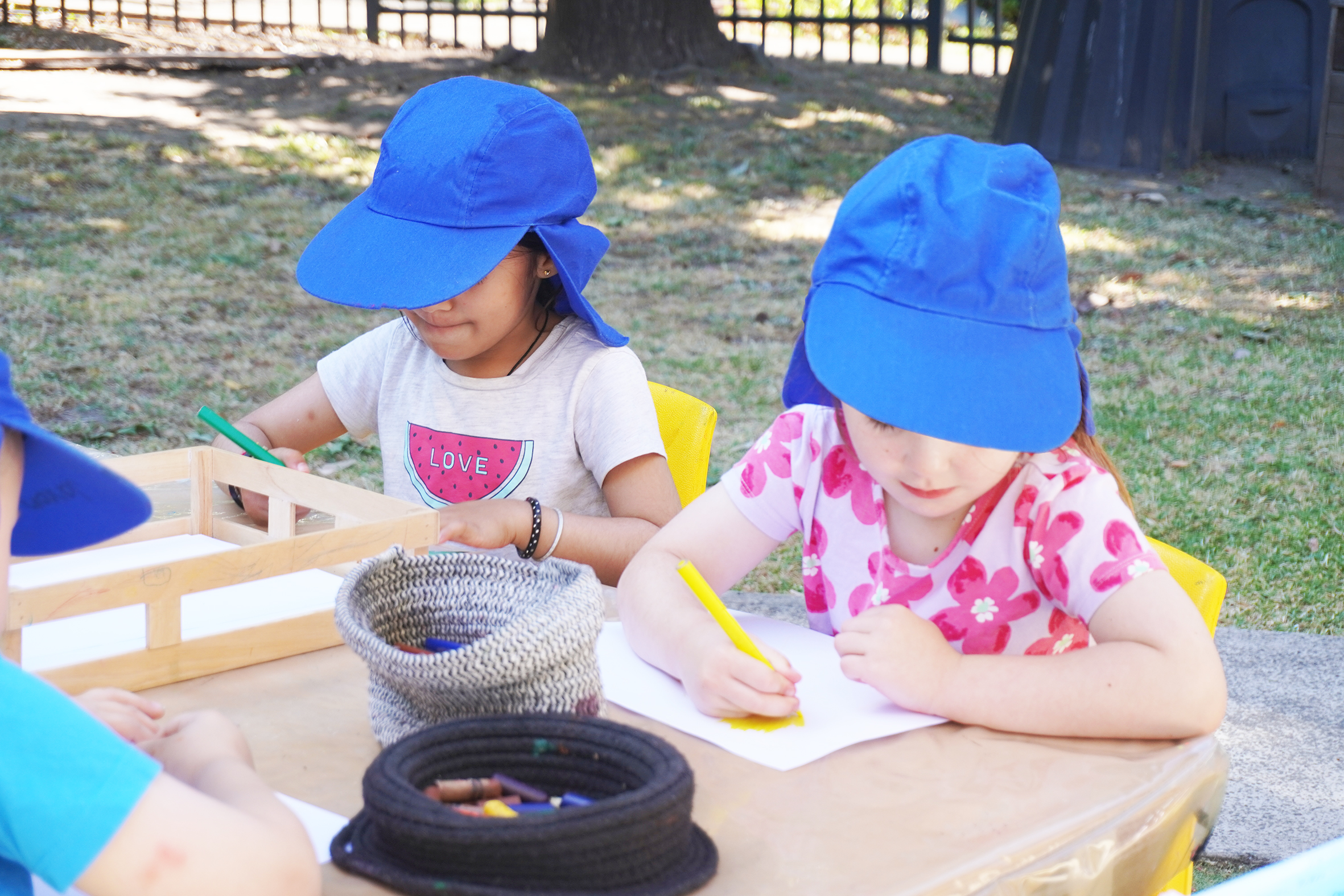
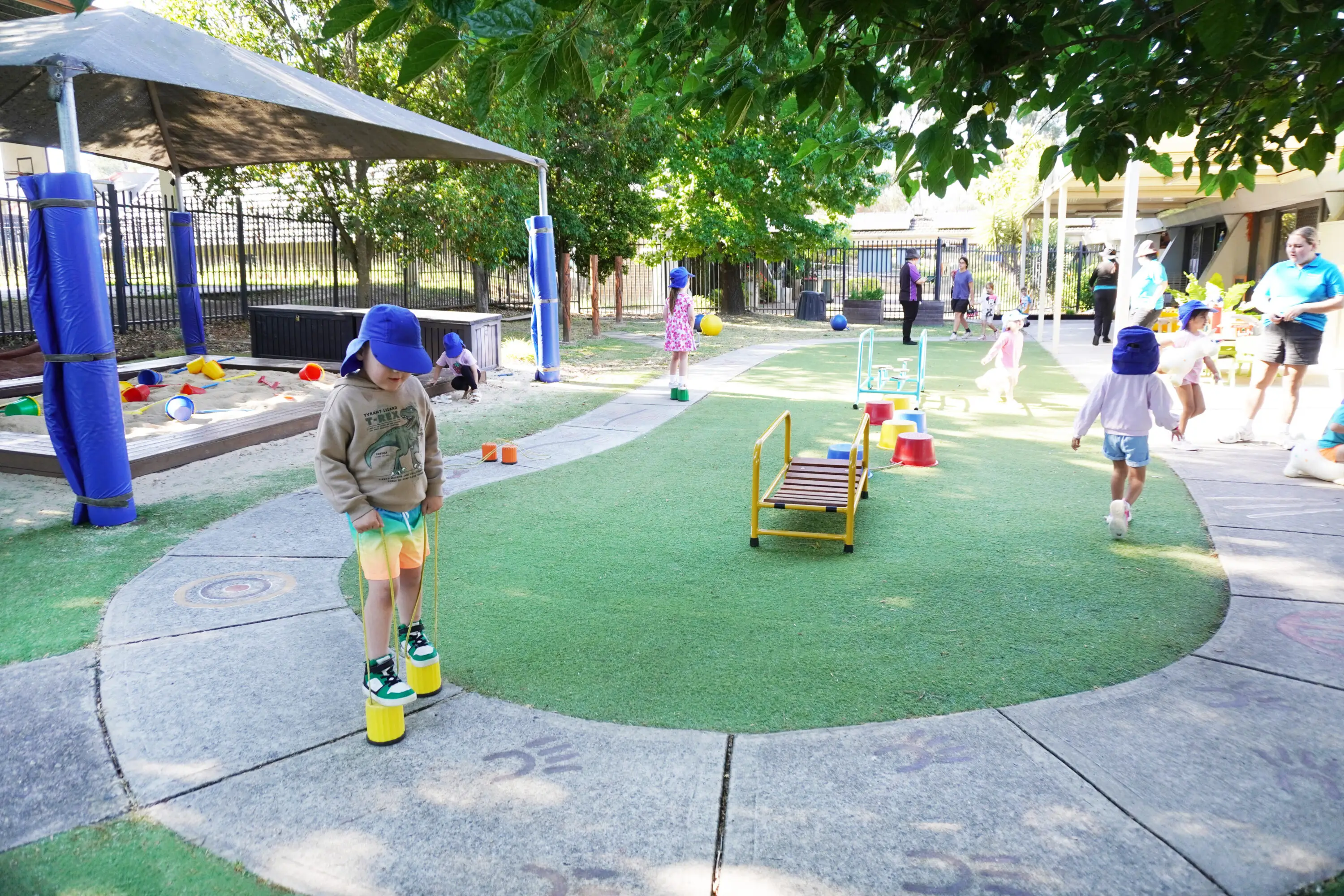
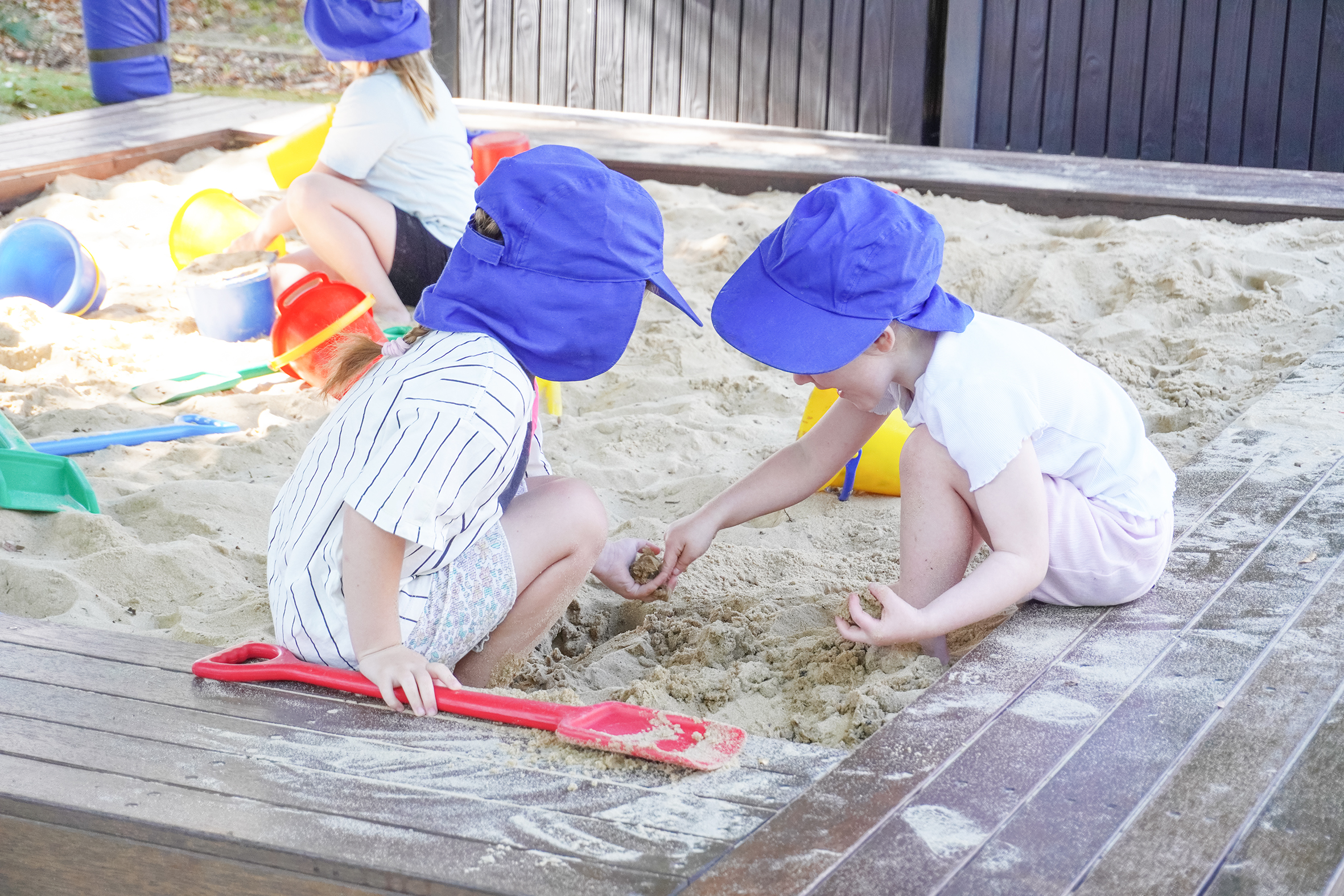

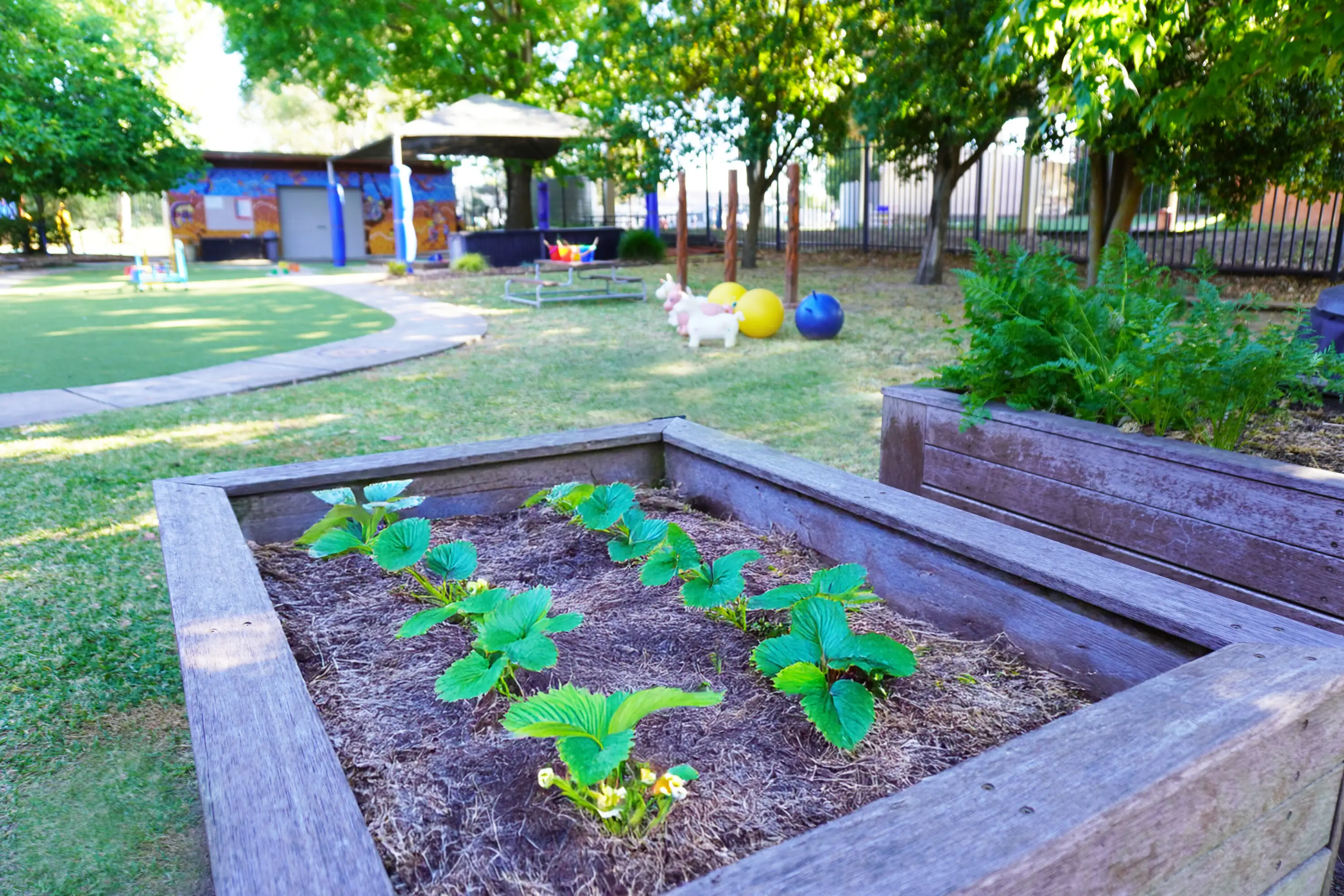
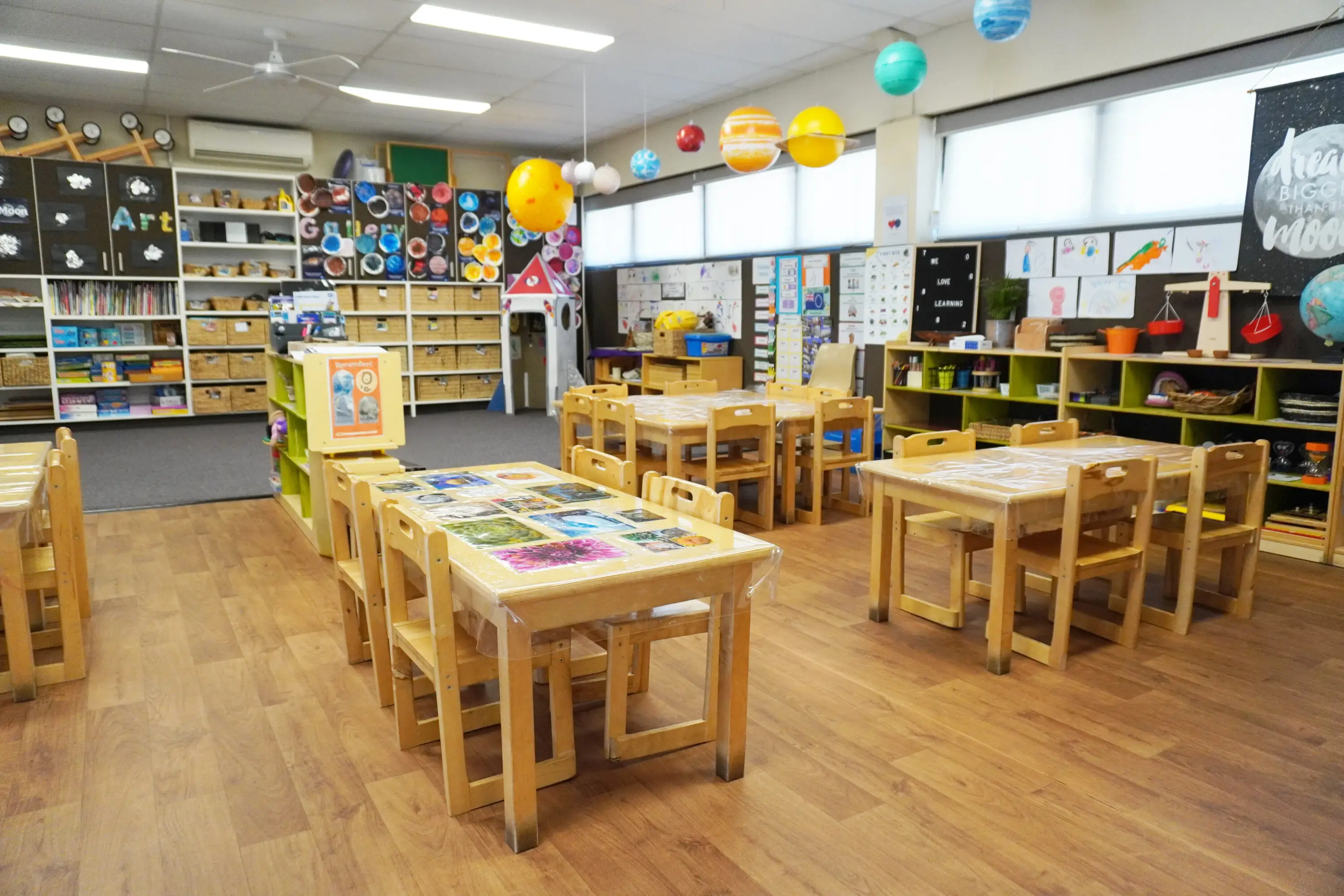
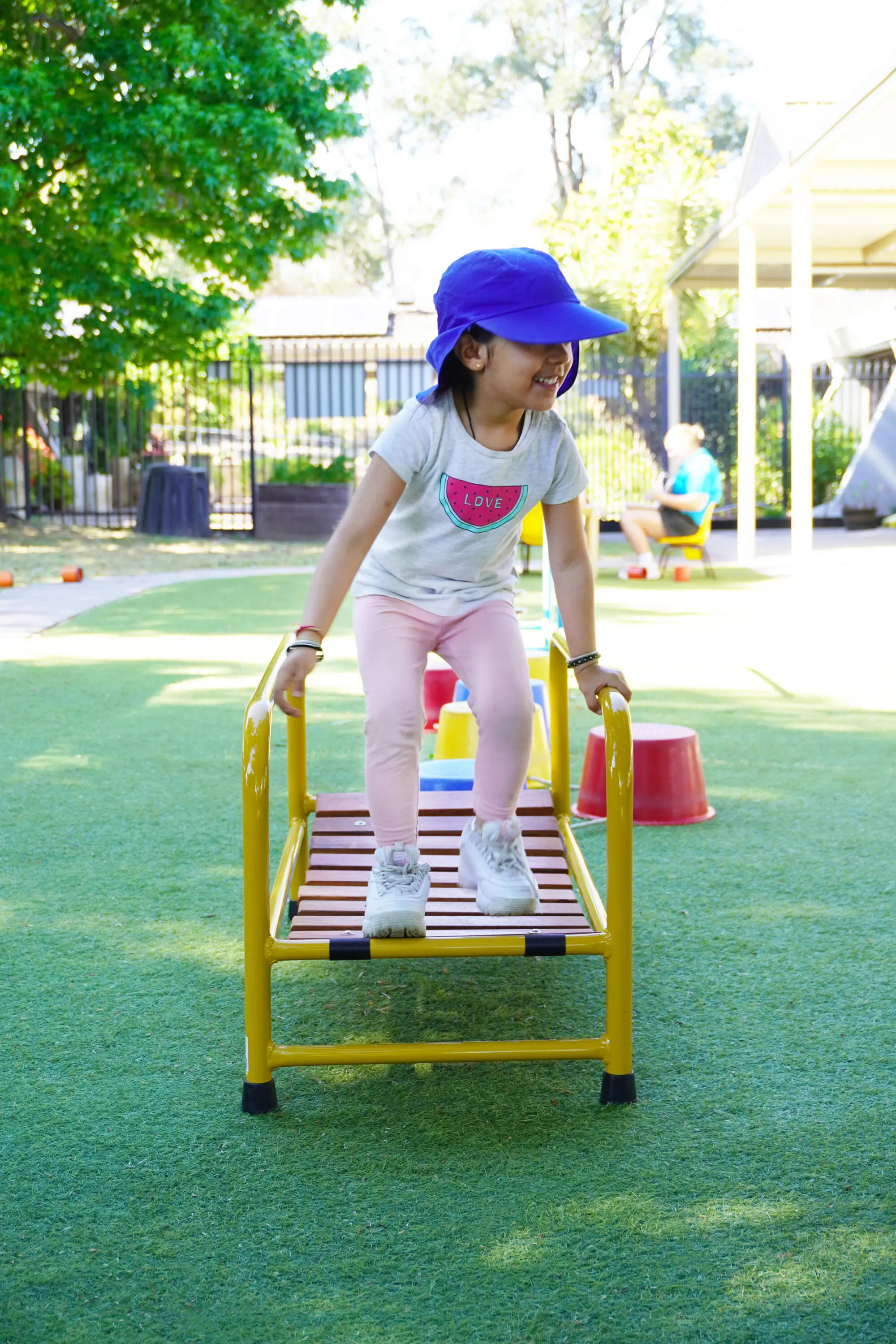
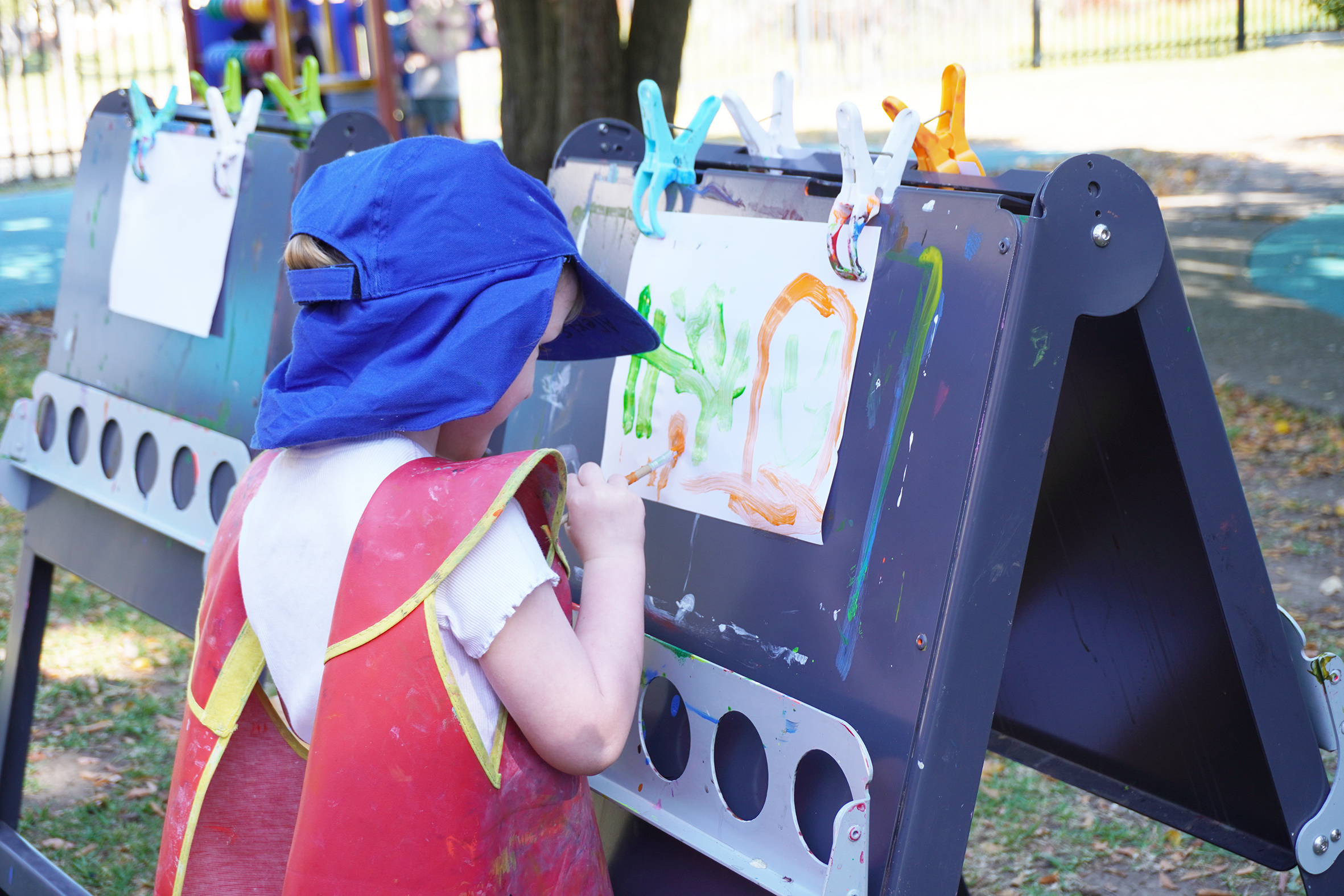
Ambrose Early Learning delivers a high-quality educational experience through our Ambrose Foundations Pre-Kindergarten Program, a two-year program designed for children aged 3–5 years.
This program:
Strong literacy foundations begin with language, communication and connection. Children develop literacy skills through meaningful, hands-on experiences that connect learning to their everyday lives, interests and the natural world.
As part of the Catholic school community, Ambrose supports literacy development through a seamless continuum of learning from early childhood into kindergarten and the early years of school.
Through intentional play-based learning and literacy experiences, children build the confidence, communication skills and early learning foundations that support a successful transition into school.
This approach fosters the development of:
At Ambrose, mathematical thinking is developed through intentional play-based learning, inquiry, investigation and hands-on learning experiences that encourage children to explore, question and problem solve.
The Ambrose Foundations program supports children’s learning about mathematical concepts and applying them in their play and inquiries including STEAM experiences, construction, investigation and collaborative learning.
Children become familiar with:
Teachers intentionally plan for children’s Mathematical Inquiry and thinking, supporting children to develop:
At Ambrose, children are part of a connected Catholic school community where relationships, belonging and wellbeing are intentionally nurtured every day.
Grounded in the values of respect, encouragement and care, our nurturing learning environments support children to feel:
Social and emotional learning is embedded throughout the day through:
Through intentional play-based learning, structured routines and shared experiences, children develop:
At Ambrose, transition to school is viewed as a gradual and supportive journey where children build confidence, familiarity and a sense of belonging before their first day of school.
Throughout the year, educators intentionally support children to develop:
Families are supported throughout the transition process through:
Grounded in the Catholic faith and open to all, our learning communities welcome families from all backgrounds, cultures and faith traditions.
Guided by the values of Respect, Encouragement and Care, educators support children to:
Faith and spirituality are experienced in age-appropriate and meaningful ways through:
Educators nurture children’s natural sense of curiosity, wonder and connection to the world around them while supporting them to grow as caring, thoughtful and respectful individuals.
As part of a Catholic community, children experience opportunities to build connections with:
Strong literacy foundations begin with language, communication and connection. Children develop literacy skills through meaningful, hands-on experiences that connect learning to their everyday lives, interests and the natural world.
As part of the Catholic school community, Ambrose supports literacy development through a seamless continuum of learning from early childhood into kindergarten and the early years of school.
Through intentional play-based learning and literacy experiences, children build the confidence, communication skills and early learning foundations that support a successful transition into school.
This approach fosters the development of:
At Ambrose, mathematical thinking is developed through intentional play-based learning, inquiry, investigation and hands-on learning experiences that encourage children to explore, question and problem solve.
The Ambrose Foundations program supports children’s learning about mathematical concepts and applying them in their play and inquiries including STEAM experiences, construction, investigation and collaborative learning.
Children become familiar with:
Teachers intentionally plan for children’s Mathematical Inquiry and thinking, supporting children to develop:
At Ambrose, children are part of a connected Catholic school community where relationships, belonging and wellbeing are intentionally nurtured every day.
Grounded in the values of respect, encouragement and care, our nurturing learning environments support children to feel:
Social and emotional learning is embedded throughout the day through:
Through intentional play-based learning, structured routines and shared experiences, children develop:
At Ambrose, transition to school is viewed as a gradual and supportive journey where children build confidence, familiarity and a sense of belonging before their first day of school.
Throughout the year, educators intentionally support children to develop:
Families are supported throughout the transition process through:
Grounded in the Catholic faith and open to all, our learning communities welcome families from all backgrounds, cultures and faith traditions.
Guided by the values of Respect, Encouragement and Care, educators support children to:
Faith and spirituality are experienced in age-appropriate and meaningful ways through:
Educators nurture children’s natural sense of curiosity, wonder and connection to the world around them while supporting them to grow as caring, thoughtful and respectful individuals.
As part of a Catholic community, children experience opportunities to build connections with:
Strong literacy foundations begin with language, communication and connection. Children develop literacy skills through meaningful, hands-on experiences that connect learning to their everyday lives, interests and the natural world.
As part of the Catholic school community, Ambrose supports literacy development through a seamless continuum of learning from early childhood into kindergarten and the early years of school.
Through intentional play-based learning and literacy experiences, children build the confidence, communication skills and early learning foundations that support a successful transition into school.
At Ambrose, mathematical thinking is developed through intentional play-based learning, inquiry, investigation and hands-on learning experiences that encourage children to explore, question and problem solve.
The Ambrose Foundations program supports children’s learning about mathematical concepts and applying them in their play and inquiries including STEAM experiences, construction, investigation and collaborative learning.
Children become familiar with:
Teachers intentionally plan for children’s Mathematical Inquiry and thinking, supporting children to develop:
At Ambrose, children are part of a connected Catholic school community where relationships, belonging and wellbeing are intentionally nurtured every day.
Grounded in the values of respect, encouragement and care, our nurturing learning environments support children to feel:
Social and emotional learning is embedded throughout the day through:
Through intentional play-based learning, structured routines and shared experiences, children develop:
At Ambrose, transition to school is viewed as a gradual and supportive journey where children build confidence, familiarity and a sense of belonging before their first day of school.
Throughout the year, educators intentionally support children to develop:
Families are supported throughout the transition process through:
Grounded in the Catholic faith and open to all, our learning communities welcome families from all backgrounds, cultures and faith traditions.
Guided by the values of Respect, Encouragement and Care, educators support children to:
Faith and spirituality are experienced in age-appropriate and meaningful ways through:
Educators nurture children’s natural sense of curiosity, wonder and connection to the world around them while supporting them to grow as caring, thoughtful and respectful individuals.
As part of a Catholic community, children experience opportunities to build connections with:
Following our involvement in the First Bite research project, which explored children’s knowledge of vegetables and strategies to increase their consumption, we introduced our “Veggie of the Week” initiative.
Each week, children are encouraged to explore a different vegetable through hands-on experiences. They learn where the vegetable comes from, how it is grown, and investigate its appearance, smell, and taste. This approach supports curiosity and helps build positive attitudes toward trying new foods.
Families are kept informed about the featured vegetable each week through the Xplor app, and information is also displayed within the service.
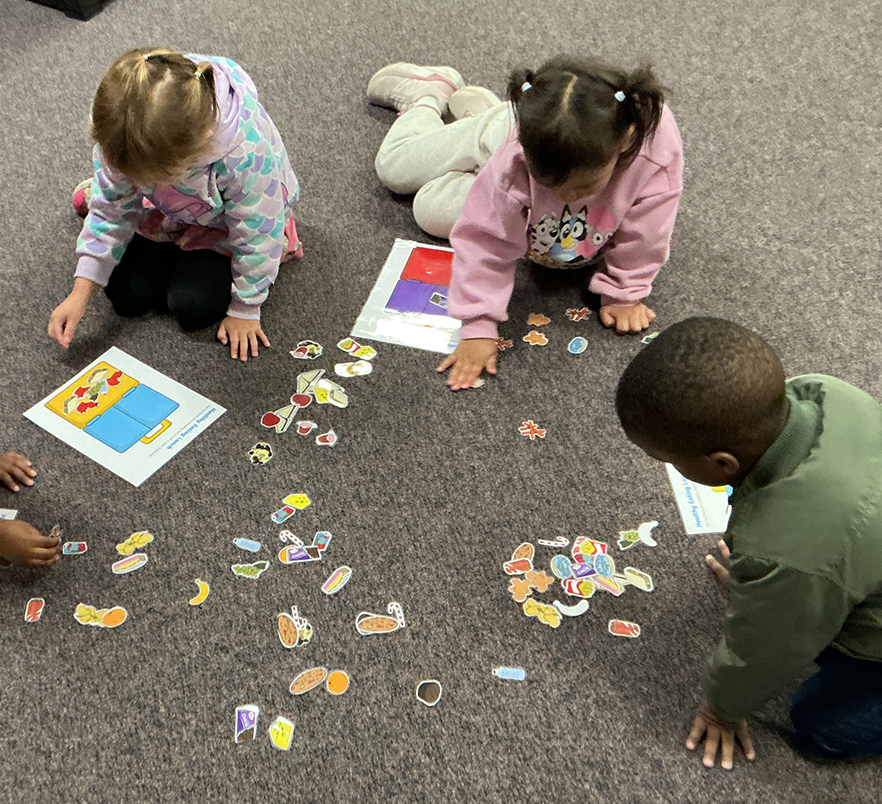
Building on this, we introduced a focus on healthy eating and understanding why it is important for our bodies. As part of this learning, children participated in activities such as creating a healthy lunchbox, as shown in the attached photo. This experience helped reinforce their understanding of balanced nutrition in a fun and practical way.
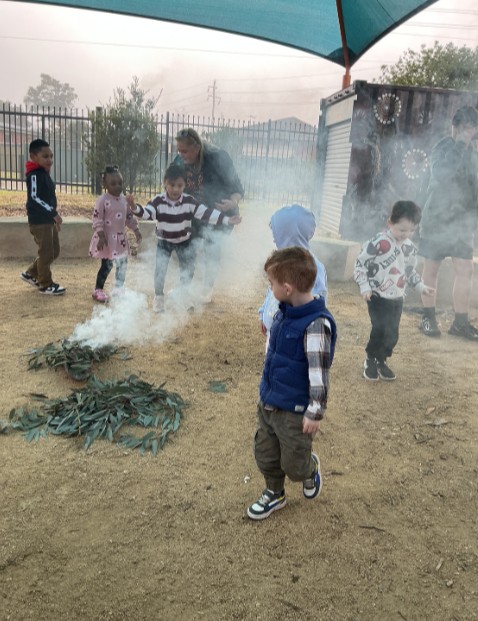
Our children visited Holy Family Primary School to take part in a special Smoking Ceremony as part of our NAIDOC Week celebrations.
The children joined the school community to listen to Aunty Julie share the importance of Country, connection to the land, and the significance of the grey gum leaves used during the ceremony. They were also introduced to the Aboriginal educators who helped lead the experience, creating a meaningful opportunity to learn about and celebrate Aboriginal culture.
When it was their turn, the children were invited to walk through the cleansing smoke, gently cupping their hands to draw the smoke towards themselves. Each child was encouraged to participate in a way that felt comfortable for them, with individual choices respected and supported throughout the experience.
Through this special cultural experience, children developed a deeper understanding of Aboriginal traditions, respect for First Nations cultures, and the importance of connection to Country.

In this session of Scripture learning, the children explored the meaning of love through a special story.
Together, we discussed how our bodies and emotions can feel when we experience love, such as feeling happy, safe, cared for, and connected to others. The children shared their own ideas about how they show love in their everyday lives, including being kind to friends, helping family members, sharing, and showing care and respect for others.
Through this meaningful experience, children developed their emotional awareness, communication skills, and understanding of positive relationships. It encourages them to reflect on their feelings and recognise the many ways love can be expressed through words and actions each day.
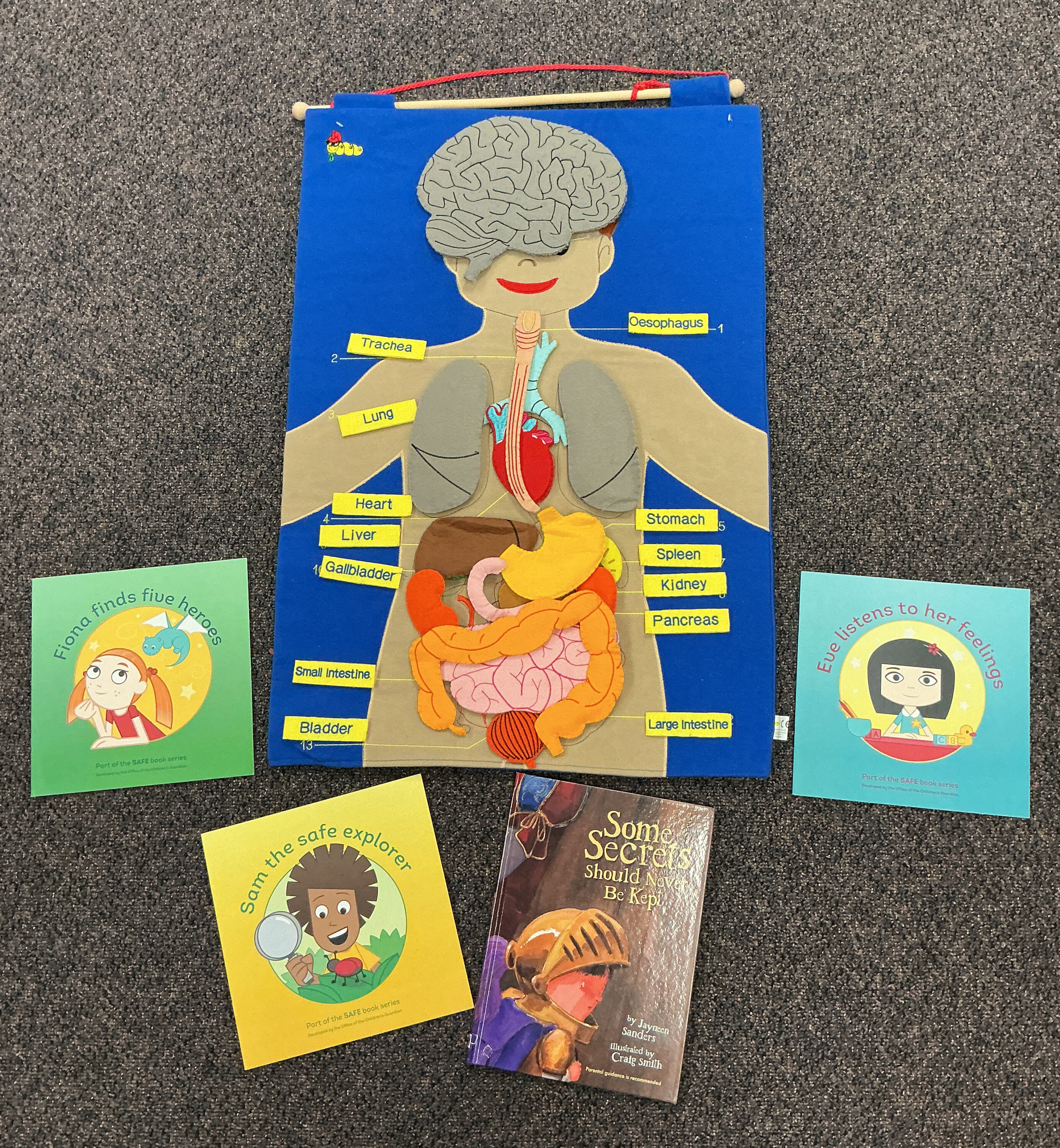
Children begin learning how their bodies work through resources such as our felt body display and Fran, our pull-apart doll, which help children discover what is inside the human body. Together, we learn about different organs and their important roles, while discussing ways to keep our bodies healthy through nutritious food, drinking water, getting enough sleep, and wearing helmets to protect our brains.
To reinforce these messages, children participate in engaging experiences including bingo games, exploring healthy and unhealthy food choices, identifying emotions through colour matching, and creating self-portraits using mirrors. These activities encourage body awareness, emotional understanding, and positive health habits.
As children’s understanding grows, we introduce body safety concepts through stories, songs, and age-appropriate resources such as the SAFE Series, Seemore Safety Series, Bravehearts resources, and books about emotions and personal safety. Through these experiences, children learn about body awareness, private parts, safe and unsafe touch, trusted adults, feelings, and the importance of speaking up when something does not feel right.
These valuable learning opportunities help children build confidence, resilience, and the skills they need to stay safe and supported.

I began my career in early learning in 2004 and joined Ambrose in 2021. I have a strong focus on early education laying the foundations for a love of learning and developing the skills needed to be successful throughout life. Listening to children and ensuring they feel safe, valued and secure is paramount in their success. With over 22 years of experience in early learning, I hold a Bachelor of Education in Early Childhood and Primary education. In my role at Holy Family, I lead and support a passionate, experienced and dedicated team. We have strong community, family and networking connections and the preschool has been part of our community for almost 60 years with a strong commitment to delivering a high quality program and care for the children and families.

Located conveniently within the grounds of Holy Family Primary Emerton, our preschool children benefit from early introductions to school life through experiences such as library visits, meeting kindergarten teachers, and participating in school events. These opportunities support a smooth transition into kindergarten, fostering continuity, connection, and a strong sense of belonging for children, families, and staff.
Holy Family Primary Emerton is a vibrant and contemporary school offering quality education. Students grow and thrive in the warm and welcoming Holy Family community which is united in faith, love and learning. The school is committed to providing learning environments where students can feel safe and supported, and are nurtured to grow, belong and be confident.
More information: Holy Family Primary Emerton

“Ambrose Early Learning Holy Family is such a wonderful part of our Holy Family School family! We enjoy coming together to celebrate our learning, embrace the diverse backgrounds that make our community so special, and mark important occasions with assemblies, prayers, and liturgies.
Our preschool students get to join in on the excitement of what “big school” is all about! With visits to classrooms, the library, and playgrounds, they build confidence and familiarity, making the next step in their learning journey feel exciting.”
Margaret Rowan – Principal

What children eat during their day at school plays a crucial role in their learning and development. Ambrose encourages families to create healthy and enjoyable lunchboxes.
We also work closely with families to understand each child’s specific dietary needs, allergies, and medical conditions, creating plans to ensure every child’s safety and wellbeing.

We value open communication with families, as it strengthens the support we provide for each child’s growth. Your knowledge of your child is essential, and we aim to build a partnership that fosters a sense of belonging for you and your child. We keep families informed and connected through regular updates via Xplor CCMS, Xplor Playground, newsletters, emails, and phone calls. Throughout the year, families are also invited to join events, share their skills, and contribute to the program, helping ensure each child receives the best possible care.
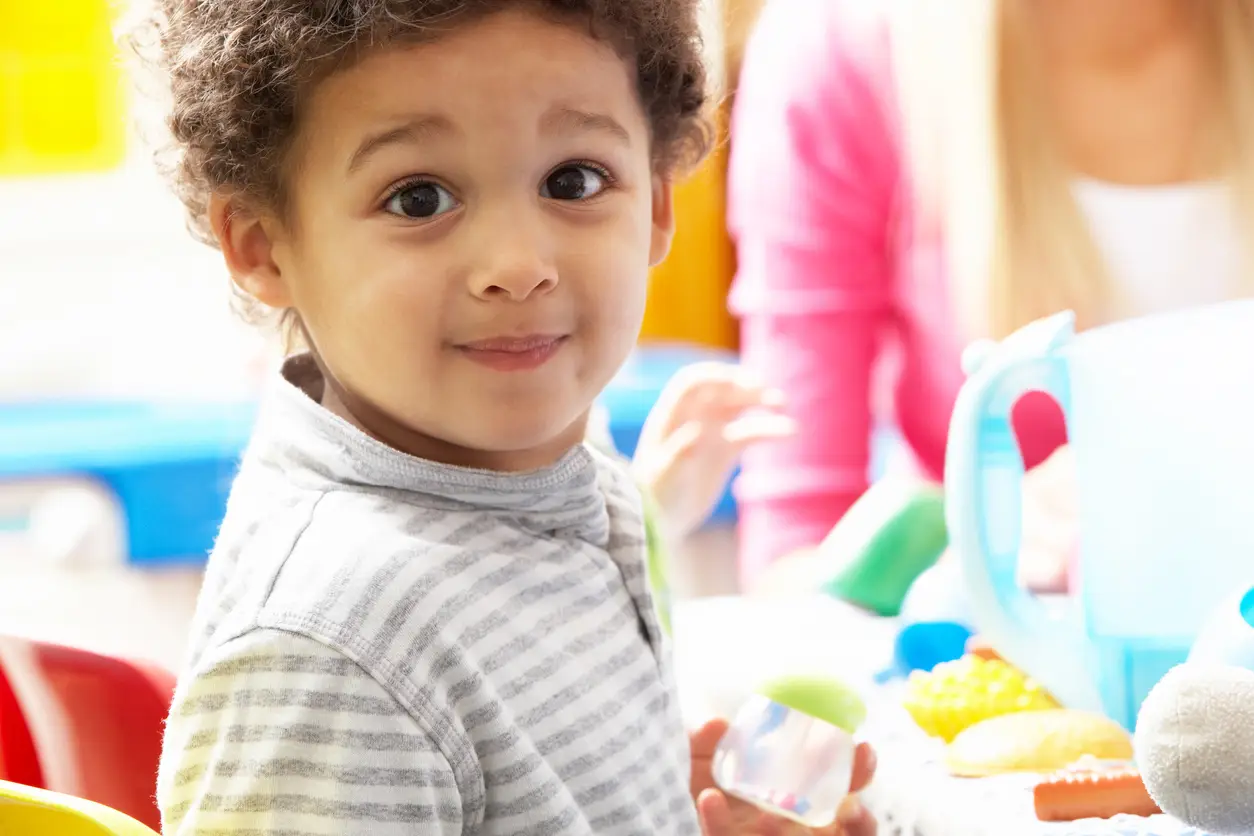
We are committed to providing the best possible support for every child. To support children’s access to our programs, our service works in partnership with families and allied health professional to develop individual education programs for our children. Support may also be available through the Inclusion Support Program (ISP) which provides funding to address inclusion barriers and specialist equipment where required.
We embrace and celebrate the diversity that exists within and between our communities. By respecting diversity, children are supported to create positive relationships and a strong sense of identity. We invite our families to share their culture, experiences, and unique needs so all children feel safe, included, and confident to participate.
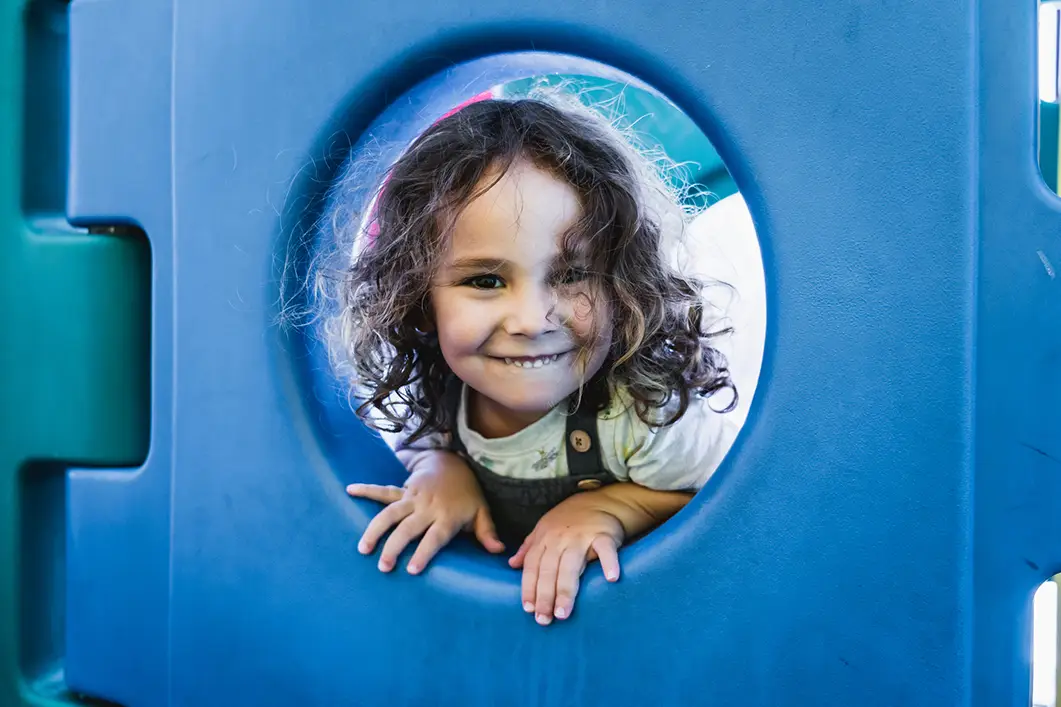
We are committed to upholding the Child Safe Standards to ensure every child feels safe, valued, and empowered. Our practices place children’s wellbeing at the centre of all decisions, and we actively work to create an environment where their voices are heard and respected. By fostering strong, transparent relationships with families and embedding child‑safe principles in our daily work, we strive to maintain a learning community where children are protected, supported, and able to thrive.
This service receives funding through the NSW Department of Education’s Start Strong for Community Preschools program, with fee relief available for children aged 3 and above. In 2026, eligible children may receive up to $4,456 in fee relief.
Families with children who are part of a priority cohort, including those from Aboriginal and/or Torres Strait Islander backgrounds, families holding a Health Care Card or Pensioner Concession Card, or children with a disability or additional needs, may be eligible for further reduced fees through the program’s equity funding.
Fee relief can be applied to up to 15 hours of preschool per week; however, it can only be claimed at one service. If fee relief has been nominated at another service, standard fees will apply.
See the tables below to find out how much fee relief your family may be entitled to. To ensure you maximise your Start Strong funding, please contact the service directly.
2026 daily fees WITH Start Strong fee relief allocation – (fees charged when fee relief is declared at Ambrose)
| 4-year-old non-equity fee | 3-year-old non-equity fee | Equity fee | |
|---|---|---|---|
| Day 1 | $0 | $0 | $0 |
| Day 2 | $0 | $0 | $0 |
| Day 3 | $20.05 | $23.25 | $0 |
2026 daily fees WITHOUT Start Strong fee relief allocation – (fees charged when fee relief is not declared at Ambrose)
| 4-year-old non-equity fee | 3-year-old non-equity fee | Equity fee | |
|---|---|---|---|
| Day 1 | $55.70 | $55.70 | $47.78 |
| Day 2 | $55.70 | $55.70 | $47.78 |
| Day 3 | $20.05 | $23.25 | $15.84 |
During the July school holidays, children from Early Learning and Vacation Care at St John XXIII Stanhope Gardens developed new friendships and skills through shared experiences and activities.
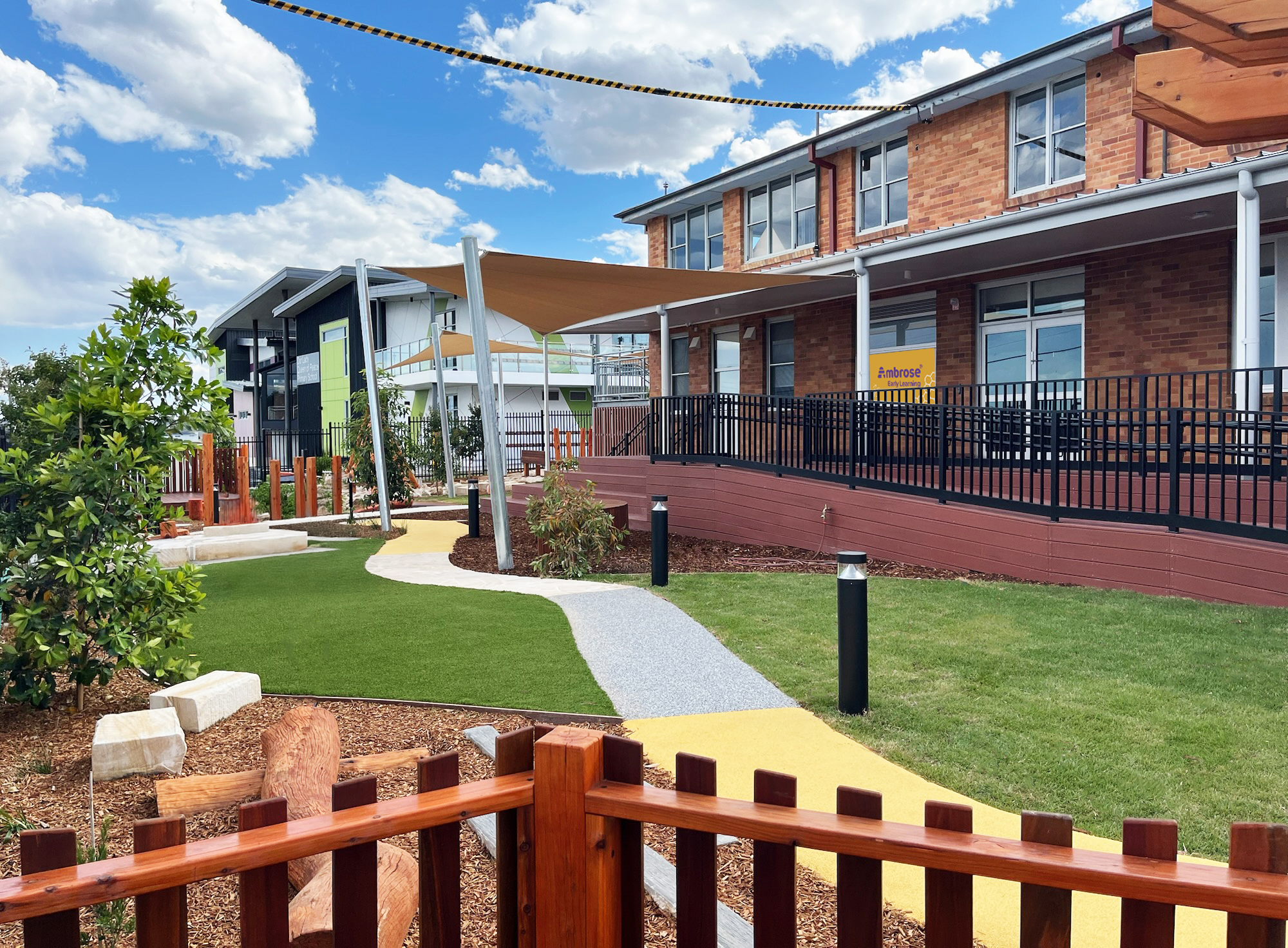
Exciting developments have been underway at Our Lady Queen of Peace in Greystanes, with Ambrose continuing to grow and innovate to meet the needs of local families.
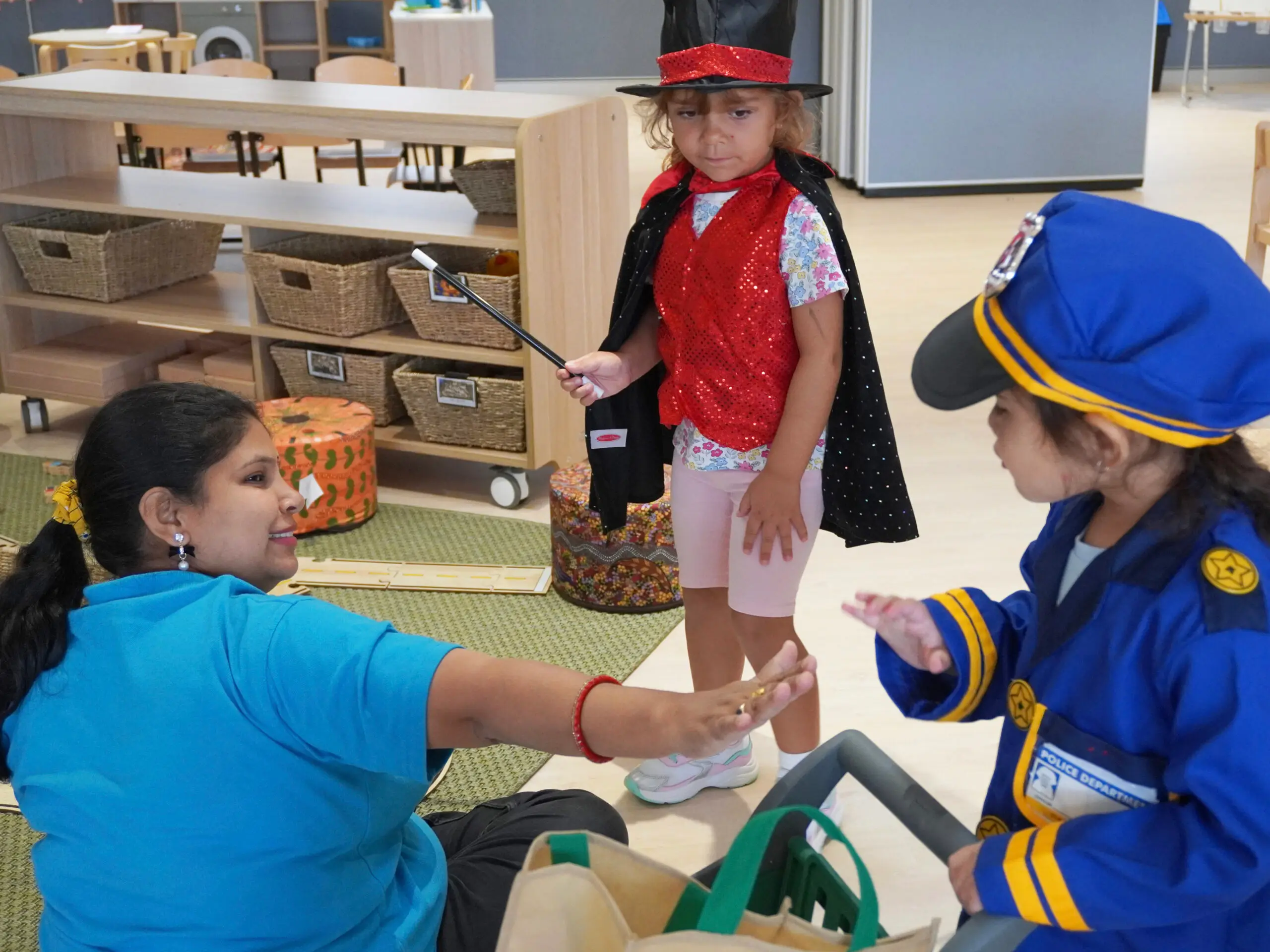
On Thursday, January 30th, Ambrose celebrated a significant milestone with the official opening of Good Shepherd Plumpton, our new preschool.
Grounded in the Catholic faith and open to all, our learning communities welcome families from all backgrounds, cultures and faith traditions.
Guided by the values of Respect, Encouragement and Care, educators support children to:
Faith and spirituality are experienced in age-appropriate and meaningful ways through:
Educators nurture children’s natural sense of curiosity, wonder and connection to the world around them while supporting them to grow as caring, thoughtful and respectful individuals.
As part of a Catholic community, children experience opportunities to build connections with:
At Ambrose, transition to school is viewed as a gradual and supportive journey where children build confidence, familiarity and a sense of belonging before their first day of school.
Throughout the year, educators intentionally support children to develop:
Families are supported throughout the transition process through:
At Ambrose, children are part of a connected Catholic school community where relationships, belonging and wellbeing are intentionally nurtured every day.
Grounded in the values of respect, encouragement and care, our nurturing learning environments support children to feel:
Social and emotional learning is embedded throughout the day through:
Through intentional play-based learning, structured routines and shared experiences, children develop:
At Ambrose, mathematical thinking is developed through intentional play-based learning, inquiry, investigation and hands-on learning experiences that encourage children to explore, question and problem solve.
The Ambrose Foundations program supports children’s learning about mathematical concepts and applying them in their play and inquiries including STEAM experiences, construction, investigation and collaborative learning.
Children become familiar with:
Teachers intentionally plan for children’s Mathematical Inquiry and thinking, supporting children to develop:
Strong literacy foundations begin with language, communication and connection. Children develop literacy skills through meaningful, hands-on experiences that connect learning to their everyday lives, interests and the natural world.
As part of the Catholic school community, Ambrose supports literacy development through a seamless continuum of learning from early childhood into kindergarten and the early years of school.
Through intentional play-based learning and literacy experiences, children build the confidence, communication skills and early learning foundations that support a successful transition into school.