
Our Team

Our school age care team creates a safe environment where children learn grow build friendships and feel valued.
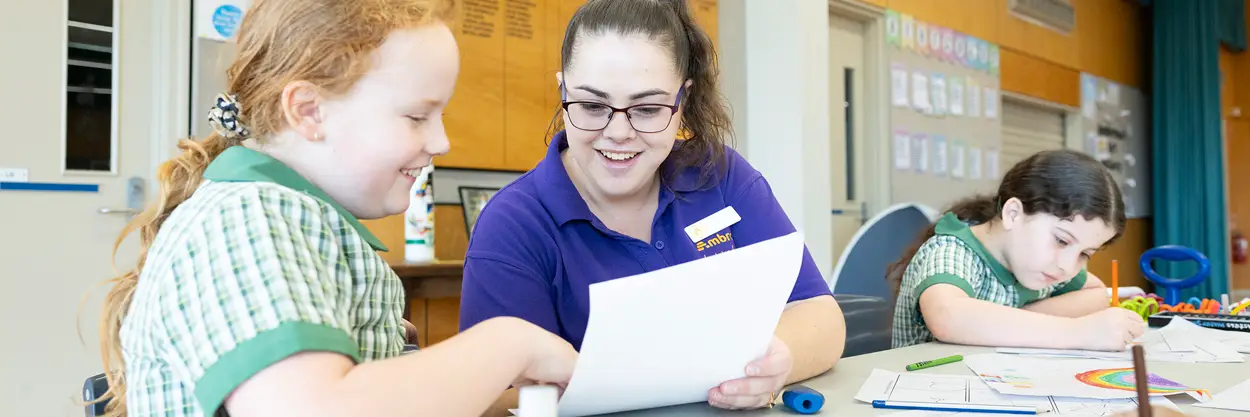
Qualified, experienced educators & university trained teachers

Ongoing professional development and
sector-specific training

Educators certified in first aid, anaphylaxis, and asthma management

All team members hold current Working With Children Check

Meet our School Age Care Senior Manager

Mabel Osei

My School Age Care philosophy is grounded in the belief that every child deserves to feel safe, valued, and connected. Guided by Catholic values and a commitment to human dignity, I believe strong relationships are at the heart of learning, growth, and belonging.

As a leader, I am committed to creating cultures of trust, accountability, and continuous improvement, where people feel empowered to contribute, grow, and thrive. By investing in people and fostering meaningful connections, I strive to create lasting outcomes for children, families, and communities.

“The staff are very approachable and have the best interest of our children in the forefront of decision making.”

— Yvette McGowen, Former Principal
St Andrew’s Primary school

Purpose Driven Leadership

Our leaders are passionate about creating a place where children feel happy, supported, and inspired every day.

Area Coordinators ensure each service location runs smoothly and delivers consistently high-quality care. They support and guide our teams with a strong focus on compliance, child safety, and ongoing professional growth. Through their leadership, they help ensure every child and family experiences the same high standard across all services.

At each service, our Service Leaders, Educational Leaders and Nominated Supervisors bring our programs to life. Guided by the My Time, Our Place framework, they design fun, engaging, and meaningful experiences that spark children’s interests and curiosity.
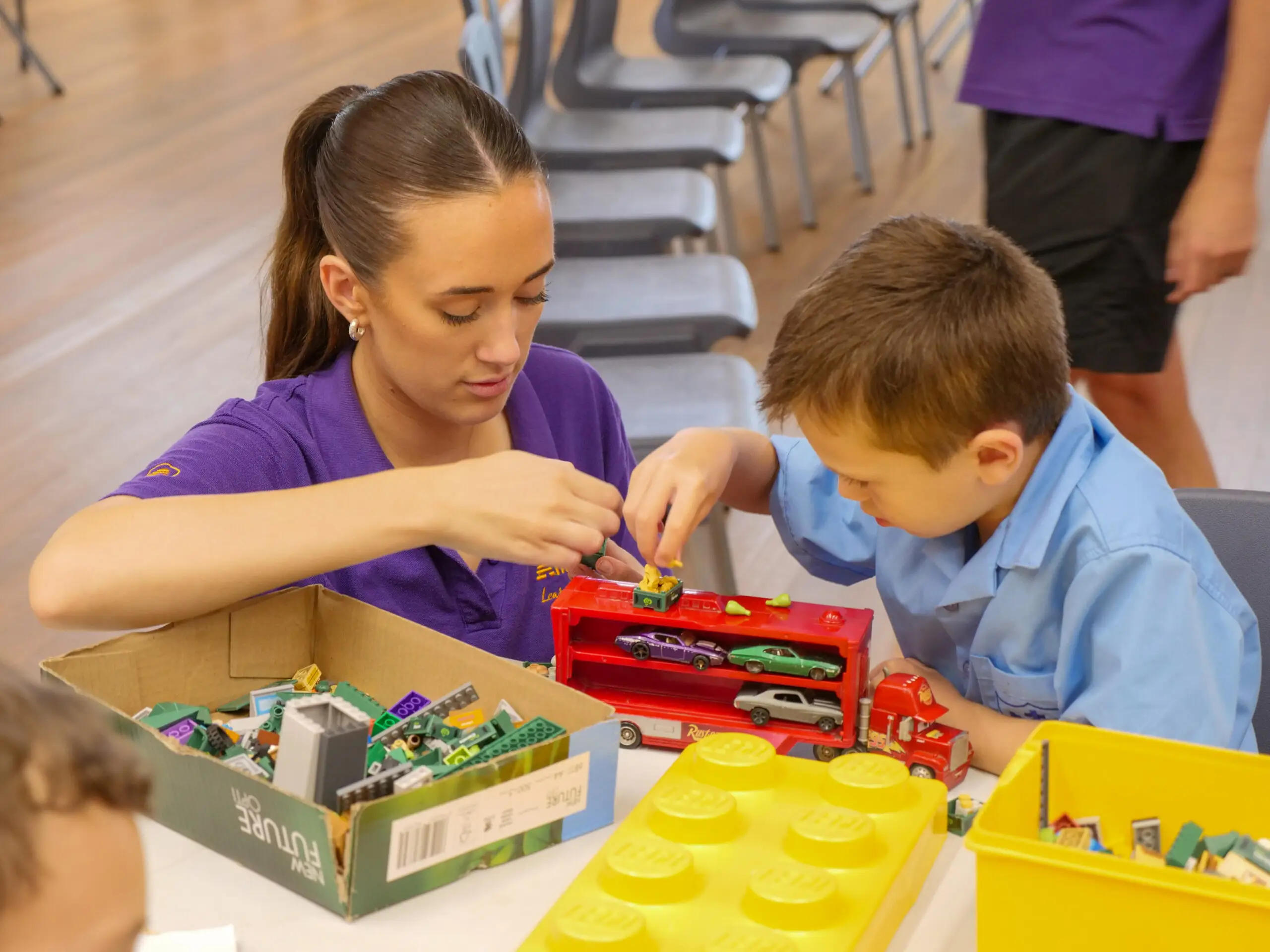
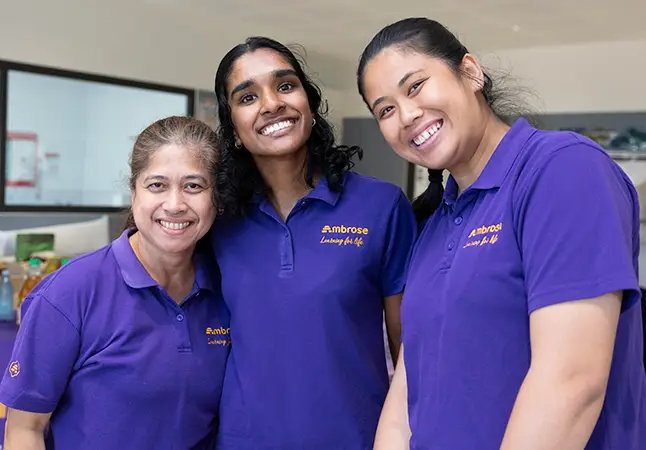
Passionate Educators

Our Educators are at the heart of everything we do.

They create safe, inclusive, and nurturing environments where every child can thrive. Through engaging experiences and personalised support, they inspire and empower children to grow in confidence, develop a love of learning, and build the essential skills they need for the future.

Dedicated Support Staff

Ambrose services are strengthened by a specialist support team.

Providing guidance across pedagogy, compliance, safeguarding, and professional development, this ongoing support ensures best practice is embedded across all services, enabling educators to deliver high‑quality education and care.
Child Safety

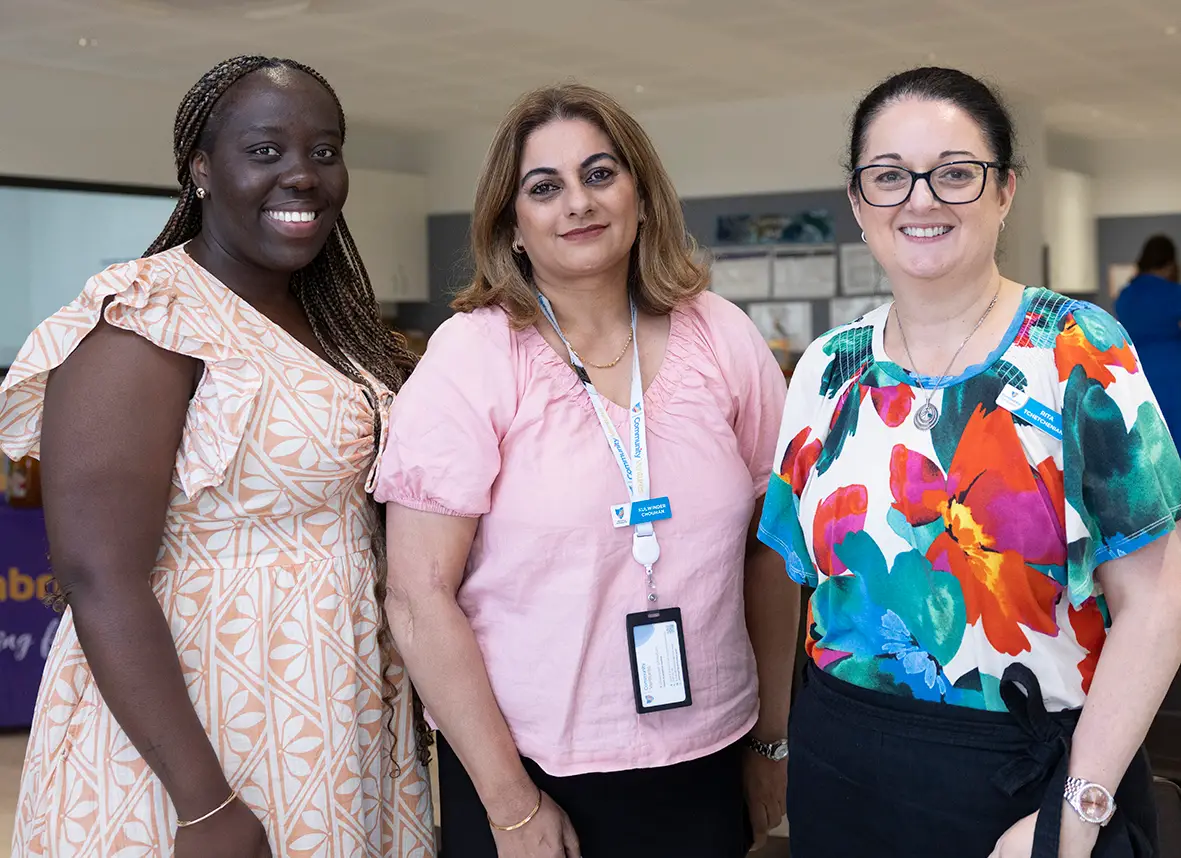
The Ambrose team is dedicated to creating safe, inclusive, and empowering environments for every child.

Our educators are deeply committed to upholding the Child Safe Standards in their daily practice, ensuring children feel secure, heard, and supported at all times. Educators consistently embed child-safe practices into their work, demonstrating vigilance, responsibility, and care in every interaction.

Ambrose prioritises child safety by ensuring team members are well prepared from recruitment through to induction and ongoing child safe employment.

Families can trust that our team is not only highly qualified, but deeply dedicated to advocating for and safeguarding every child in our care.

Find your nearest Ambrose service

Ambrose Service

Ambrose Service

Geolocate Centers

Geolocate Centers

Reset Search filters

Faith, Belonging and Community

Grounded in the Catholic faith and open to all, our learning communities welcome families from all backgrounds, cultures and faith traditions.

Guided by the values of Respect, Encouragement and Care, educators support children to:

  • Develop kindness, empathy and gratitude
  • Build respectful relationships
  • Care for others and the environment
  • Develop confidence and a sense of belonging
  • Recognise and value diversity within the community

Faith and spirituality are experienced in age-appropriate and meaningful ways through:

  • Prayer and reflection
  • Stories, celebrations and traditions
  • Shared values and respectful relationships
  • Participation in school and community events
  • Experiences of care, inclusion and belonging

Educators nurture children’s natural sense of curiosity, wonder and connection to the world around them while supporting them to grow as caring, thoughtful and respectful individuals.

As part of a Catholic community, children experience opportunities to build connections with:

  • Educators and families
  • School and parish communities
  • Cultural and community celebrations
  • Shared events and experiences
  • The wider world around them

Transitioning to Kindergarten

At Ambrose, transition to school is viewed as a gradual and supportive journey where children build confidence, familiarity and a sense of belonging before their first day of school.

Throughout the year, educators intentionally support children to develop:

  • Confidence participating in group learning experiences
  • Listening and communication skills
  • Independence and self-help skills
  • Emotional regulation and resilience
  • Attention, persistence and flexible thinking
  • Positive relationships and social confidence
  • Familiarity with routines and transitions


Families are supported throughout the transition process through:

  • Ongoing communication and transition discussions
  • Parent-teacher interviews and learning updates
  • Transition to School Statements
  • Opportunities to connect with educators and school communities

Social and Emotional Development

At Ambrose, children are part of a connected Catholic school community where relationships, belonging and wellbeing are intentionally nurtured every day.

Grounded in the values of respect, encouragement and care, our nurturing learning environments support children to feel:

  • Safe and supported
  • Confident to participate and try new things
  • Connected to others and their community
  • Valued as capable learners
  • A strong sense of identity and belonging


Social and emotional learning is embedded throughout the day through:

  • Collaborative play experiences
  • Group discussions and reflection
  • Intentional teaching moments
  • Problem solving and conflict resolution
  • Structured routines and expectations
  • Prayer, wellbeing and relationship building


Through intentional play-based learning, structured routines and shared experiences, children develop:

  • Confidence and independence
  • Positive relationships and friendships
  • Emotional awareness and self-regulation
  • Resilience
  • Communication and collaboration skills
  • Respect, empathy and kindness

Mathematical Thinking and Inquiry

At Ambrose, mathematical thinking is developed through intentional play-based learning, inquiry, investigation and hands-on learning experiences that encourage children to explore, question and problem solve.

The Ambrose Foundations program supports children’s learning about mathematical concepts and applying them in their play and inquiries including STEAM experiences, construction, investigation and collaborative learning.

Children become familiar with:

  • Patterns and predictions
  • Shapes and spatial thinking
  • Measurement and data
  • Quantity and counting


Teachers intentionally plan for children’s Mathematical Inquiry and thinking, supporting children to develop:

  • Early number awareness
  • Problem solving and critical thinking
  • Pattern recognition
  • Spatial awareness
  • Reasoning and prediction skills
  • Confidence exploring mathematical concepts
  • Curiosity and inquiry skills

Language and Literacy

Strong literacy foundations begin with language, communication and connection. Children develop literacy skills through meaningful, hands-on experiences that connect learning to their everyday lives, interests and the natural world.

As part of the Catholic school community, Ambrose supports literacy development through a seamless continuum of learning from early childhood into kindergarten and the early years of school.

Through intentional play-based learning and literacy experiences, children build the confidence, communication skills and early learning foundations that support a successful transition into school.

  • This approach fosters the development of:
  • Oral language and communication skills
  • Vocabulary and comprehension
  • Listening and attention skills
  • Confidence participating in group discussions
  • Early literacy understanding
  • Phonological awareness
  • Curiosity about books, stories and language