If you’re passionate about helping children reach their potential you’ll find a rewarding career here with Ambrose.
Early Learning
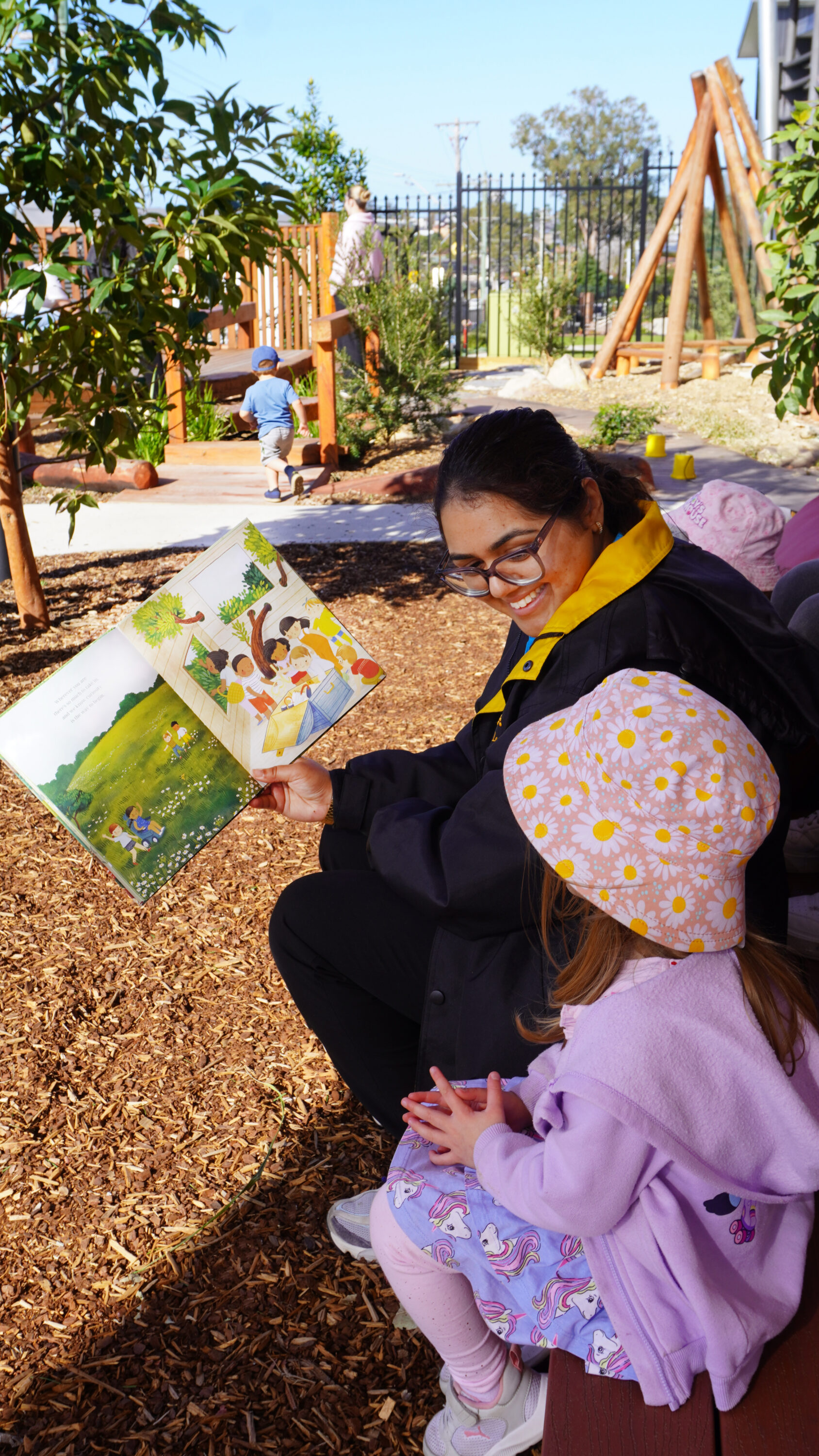
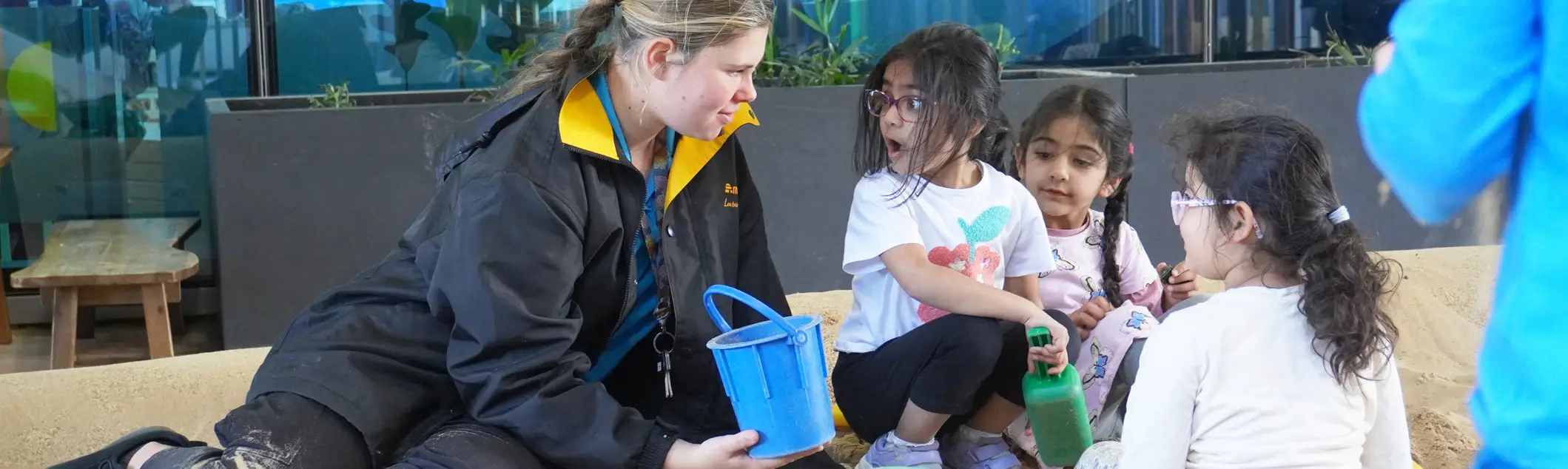
At Ambrose Early Learning, every day is filled with discovery, creativity and curiosity. You’ll support children’s growth and development through play-based learning, encourage their creativity and independence, and help create a space where every child feels valued, supported and inspired to reach their potential.
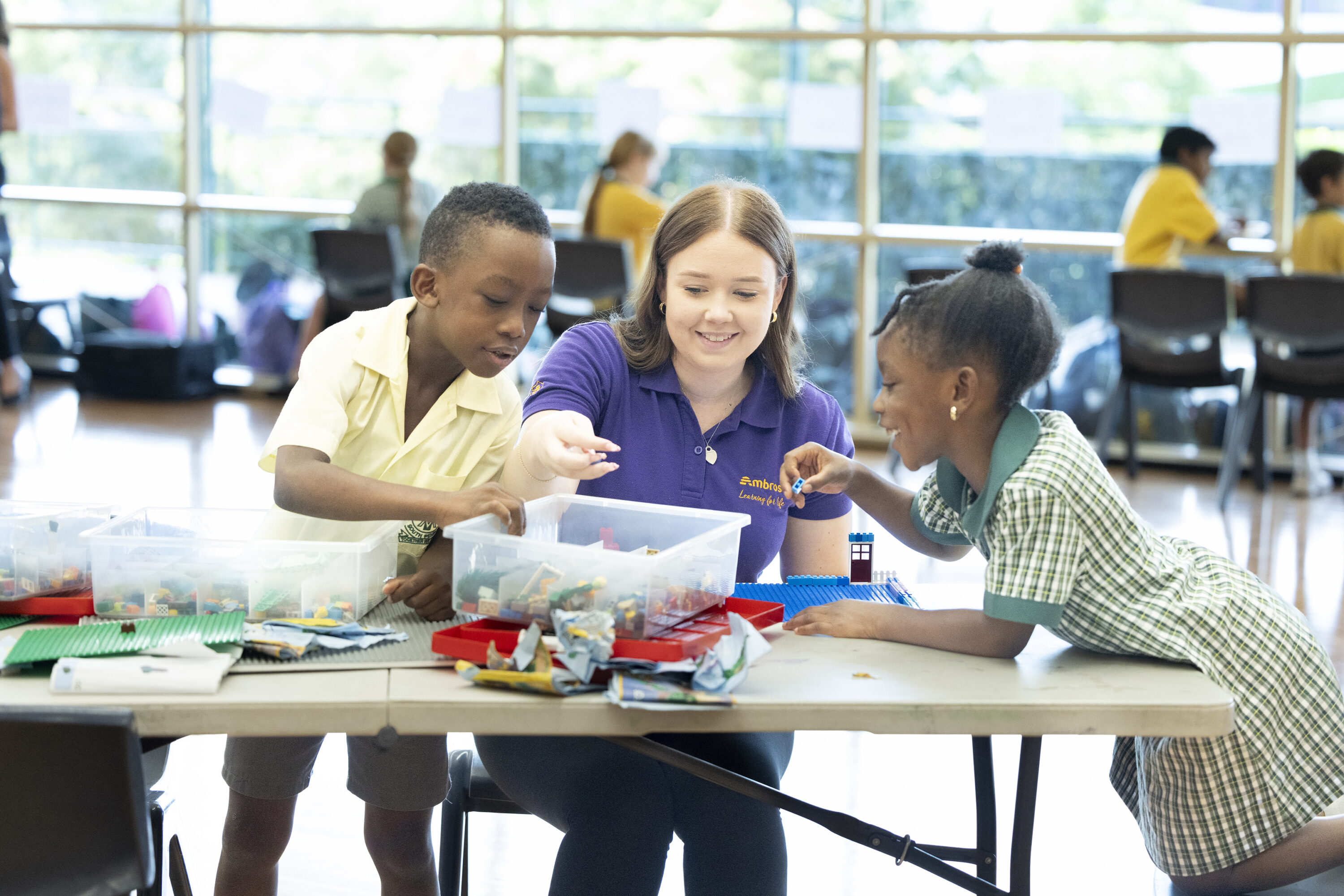
Turn your energy, creativity and passion into a rewarding role at Ambrose School Age Care. With flexible hours, plenty of variety and the chance to run games, sports and creative activities, you’ll help create memorable experiences that keep children engaged, active and connected before and after school.
Ambrose Pathways offers a range of exciting programs and study options designed for people who want to start or progress their career in Children’s Services.
Grounded in the Catholic faith and open to all, our learning communities welcome families from all backgrounds, cultures and faith traditions.
Guided by the values of Respect, Encouragement and Care, educators support children to:
Develop kindness, empathy and gratitude
Build respectful relationships
Care for others and the environment
Develop confidence and a sense of belonging
Recognise and value diversity within the community
Faith and spirituality are experienced in age-appropriate and meaningful ways through:
Prayer and reflection
Stories, celebrations and traditions
Shared values and respectful relationships
Participation in school and community events
Experiences of care, inclusion and belonging
Educators nurture children’s natural sense of curiosity, wonder and connection to the world around them while supporting them to grow as caring, thoughtful and respectful individuals.
As part of a Catholic community, children experience opportunities to build connections with:
Educators and families
School and parish communities
Cultural and community celebrations
Shared events and experiences
The wider world around them
Transitioning to Kindergarten
At Ambrose, transition to school is viewed as a gradual and supportive journey where children build confidence, familiarity and a sense of belonging before their first day of school.
Throughout the year, educators intentionally support children to develop:
Confidence participating in group learning experiences
Listening and communication skills
Independence and self-help skills
Emotional regulation and resilience
Attention, persistence and flexible thinking
Positive relationships and social confidence
Familiarity with routines and transitions
Families are supported throughout the transition process through:
Ongoing communication and transition discussions
Parent-teacher interviews and learning updates
Transition to School Statements
Opportunities to connect with educators and school communities
Social and Emotional Development
At Ambrose, children are part of a connected Catholic school community where relationships, belonging and wellbeing are intentionally nurtured every day.
Grounded in the values of respect, encouragement and care, our nurturing learning environments support children to feel:
Safe and supported
Confident to participate and try new things
Connected to others and their community
Valued as capable learners
A strong sense of identity and belonging
Social and emotional learning is embedded throughout the day through:
Collaborative play experiences
Group discussions and reflection
Intentional teaching moments
Problem solving and conflict resolution
Structured routines and expectations
Prayer, wellbeing and relationship building
Through intentional play-based learning, structured routines and shared experiences, children develop:
Confidence and independence
Positive relationships and friendships
Emotional awareness and self-regulation
Resilience
Communication and collaboration skills
Respect, empathy and kindness
Mathematical Thinking and Inquiry
At Ambrose, mathematical thinking is developed through intentional play-based learning, inquiry, investigation and hands-on learning experiences that encourage children to explore, question and problem solve.
The Ambrose Foundations program supports children’s learning about mathematical concepts and applying them in their play and inquiries including STEAM experiences, construction, investigation and collaborative learning.
Children become familiar with:
Patterns and predictions
Shapes and spatial thinking
Measurement and data
Quantity and counting
Teachers intentionally plan for children’s Mathematical Inquiry and thinking, supporting children to develop:
Early number awareness
Problem solving and critical thinking
Pattern recognition
Spatial awareness
Reasoning and prediction skills
Confidence exploring mathematical concepts
Curiosity and inquiry skills
Language and Literacy
Strong literacy foundations begin with language, communication and connection. Children develop literacy skills through meaningful, hands-on experiences that connect learning to their everyday lives, interests and the natural world.
As part of the Catholic school community, Ambrose supports literacy development through a seamless continuum of learning from early childhood into kindergarten and the early years of school.
Through intentional play-based learning and literacy experiences, children build the confidence, communication skills and early learning foundations that support a successful transition into school.