
Learning Together at St John XXIII, Stanhope Gardens

July 2026
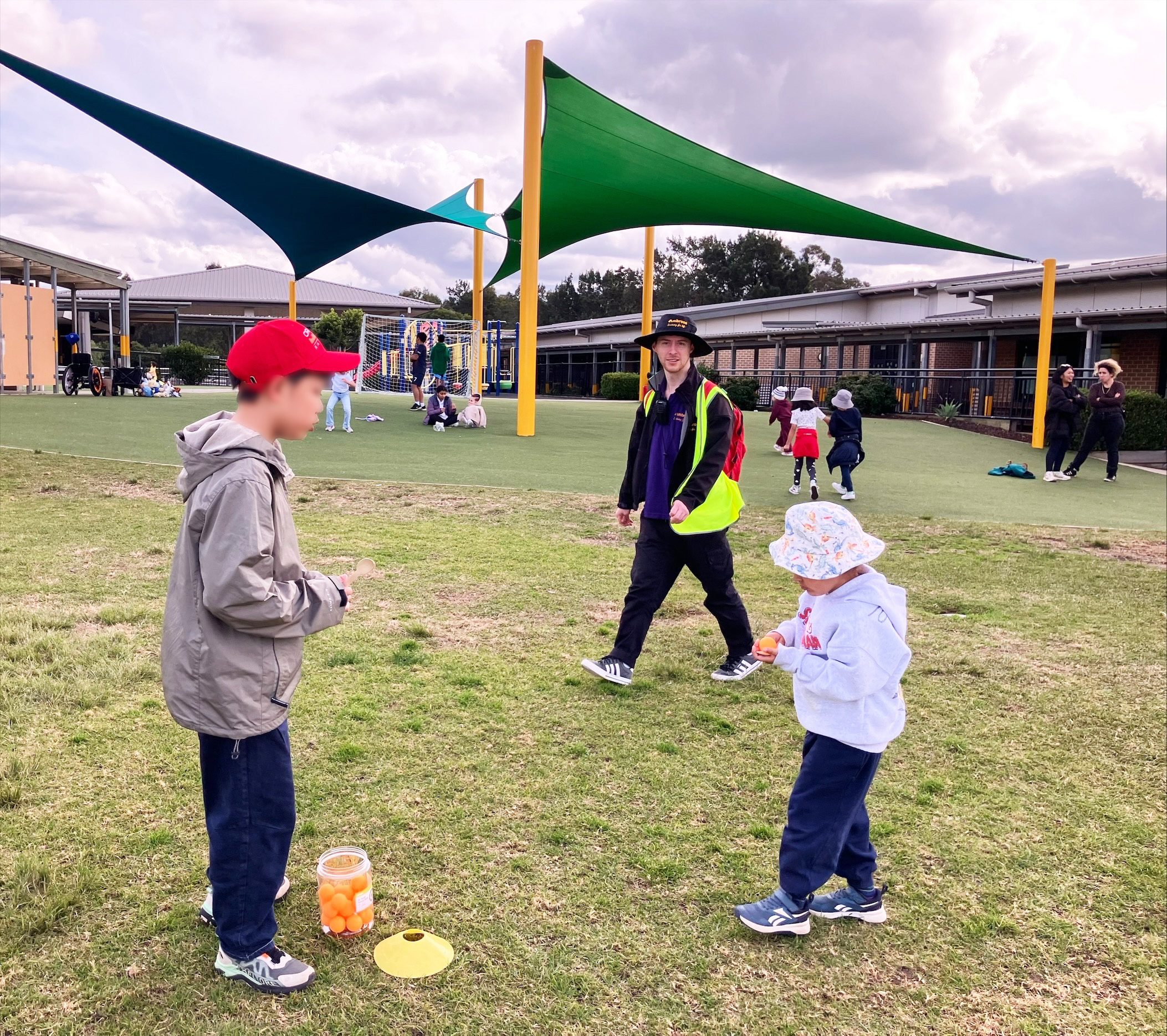
The July school holidays provided a wonderful opportunity for our Early Learning and Vacation Care Services at St John XXIII Stanhope Gardens, to come together and learn from one another. Through collaborative play, shared challenges and fun activities, children across different age groups developed important skills while building friendships and a strong sense of community.

Together, the children participated in a variety of activities including basketball games, a Teddy Bears’ Picnic, gardening, scarecrow construction, building and construction challenges, scooter riding, obstacle courses and basketball mentoring.

As part of the Ambrose Foundations Pre-Kindergarten Program, experiences such as these provide Early Learning children with valuable opportunities to become familiar with the primary school environment and build relationships with older students before beginning their schooling journey. These experiences help foster confidence, independence and a sense of belonging. At the same time, the older children embraced leadership roles, guiding and supporting younger learners throughout play and structured activities. Whether helping them navigate obstacle courses, mentoring them during basketball games or encouraging them to explore new spaces, the older children demonstrated patience, responsibility and teamwork.
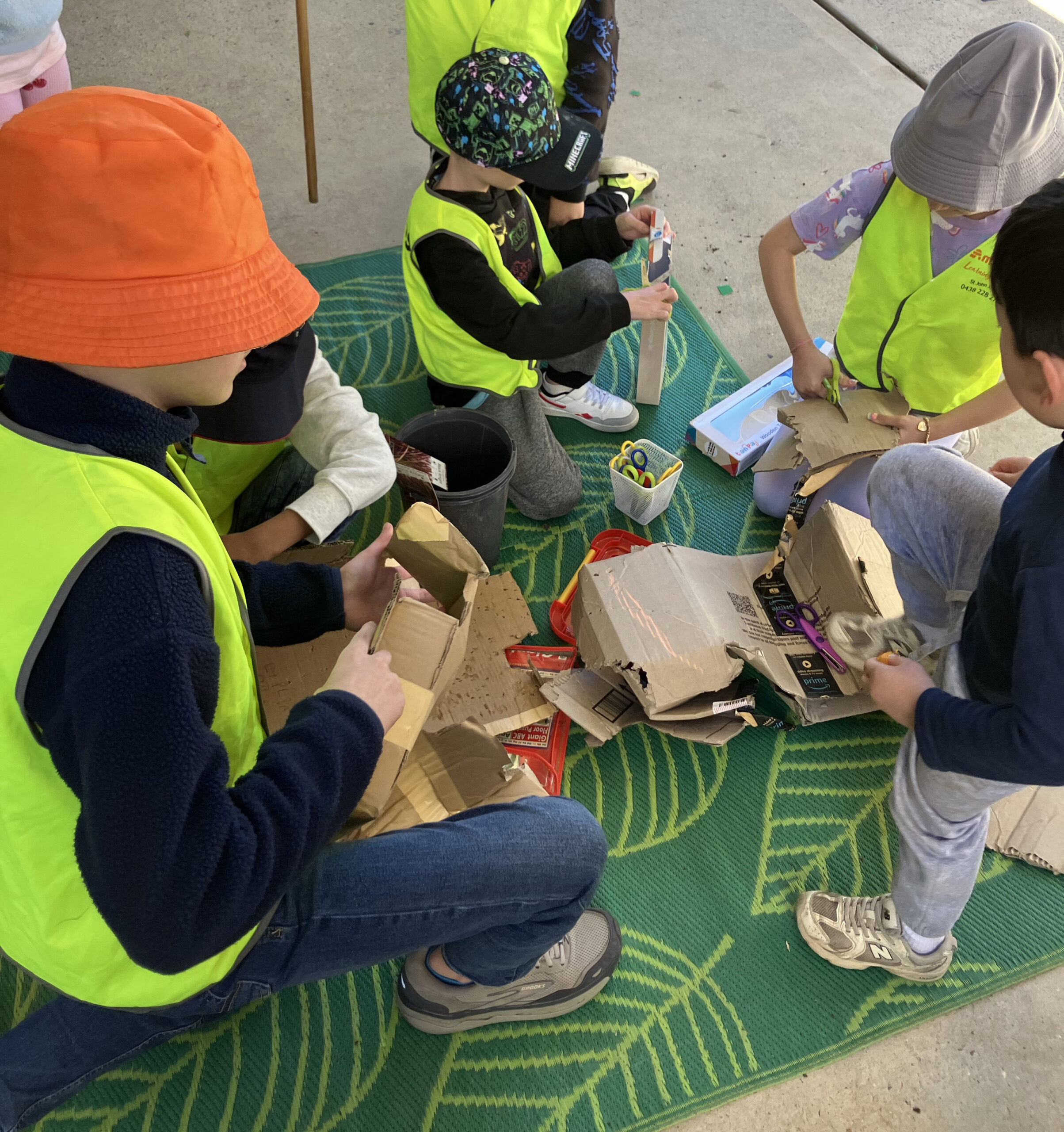
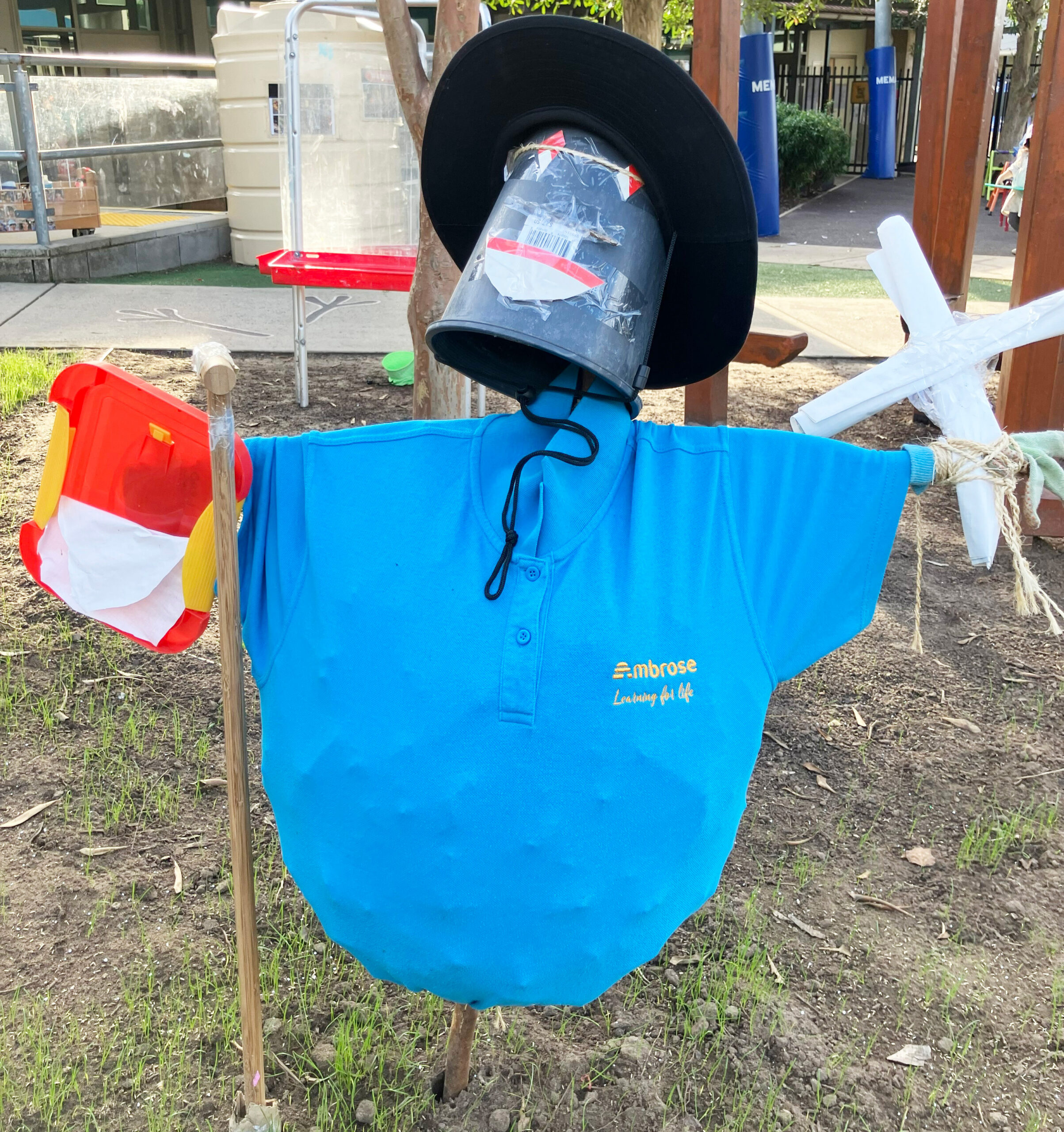
One particularly memorable experience was the construction of a scarecrow in the Early Learning playground, using recycled materials. After discovering that crows had been eating the recently planted grass seeds in the playground, all the children worked together to find a solution. The collaborative project sparked creativity, communication and problem-solving as children shared ideas and negotiated design decisions. When some of the younger children noticed the scarecrow appeared to have only one leg, the older children quickly explained that “he needed a walking stick” and set about adding one. Determined to make the scarecrow even more effective, the older children decided he should look fierce, creating a sword, shield and even an elaborate trap to help protect the garden.
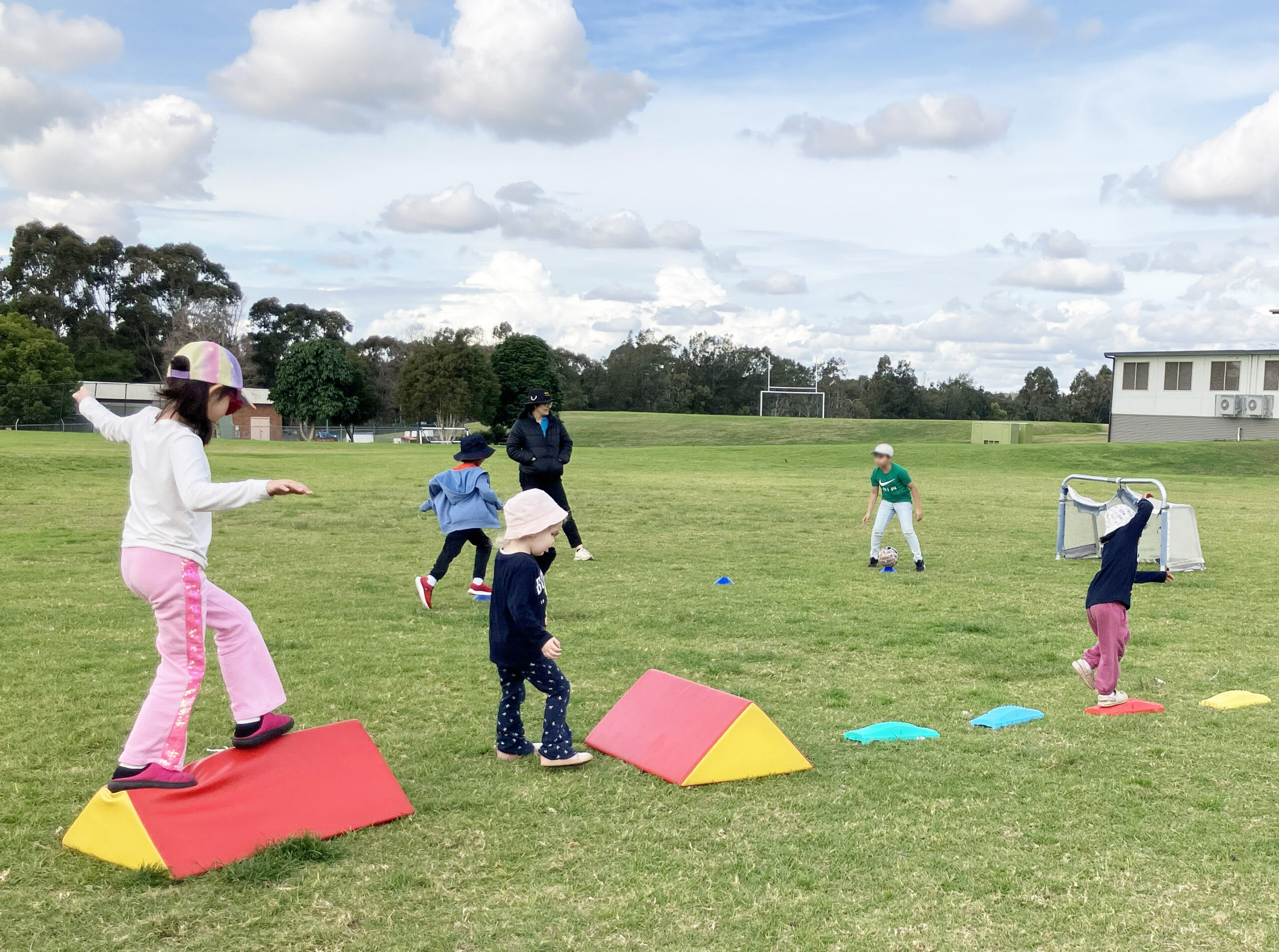
Working together, the children showcased some impressive problem-solving skills, with the planning and building of structures using pipes and other materials. These experiences encouraged creativity, critical thinking, communication and cooperation across different age groups.

The July holiday experiences demonstrated the many benefits of children learning with and from one another. Through shared play, mentoring, leadership opportunities and collaborative projects, children developed confidence, formed friendships and strengthened their connection to the wider community. Most importantly, they had so much fun that they are already planning what activities they can explore together in the next Vacation Care program.

For more information visit on these services visit St John XXIII Early Learning, St John XXIII School Age Care

Faith, Belonging and Community

Grounded in the Catholic faith and open to all, our learning communities welcome families from all backgrounds, cultures and faith traditions.

Guided by the values of Respect, Encouragement and Care, educators support children to:

  • Develop kindness, empathy and gratitude
  • Build respectful relationships
  • Care for others and the environment
  • Develop confidence and a sense of belonging
  • Recognise and value diversity within the community

Faith and spirituality are experienced in age-appropriate and meaningful ways through:

  • Prayer and reflection
  • Stories, celebrations and traditions
  • Shared values and respectful relationships
  • Participation in school and community events
  • Experiences of care, inclusion and belonging

Educators nurture children’s natural sense of curiosity, wonder and connection to the world around them while supporting them to grow as caring, thoughtful and respectful individuals.

As part of a Catholic community, children experience opportunities to build connections with:

  • Educators and families
  • School and parish communities
  • Cultural and community celebrations
  • Shared events and experiences
  • The wider world around them

Transitioning to Kindergarten

At Ambrose, transition to school is viewed as a gradual and supportive journey where children build confidence, familiarity and a sense of belonging before their first day of school.

Throughout the year, educators intentionally support children to develop:

  • Confidence participating in group learning experiences
  • Listening and communication skills
  • Independence and self-help skills
  • Emotional regulation and resilience
  • Attention, persistence and flexible thinking
  • Positive relationships and social confidence
  • Familiarity with routines and transitions


Families are supported throughout the transition process through:

  • Ongoing communication and transition discussions
  • Parent-teacher interviews and learning updates
  • Transition to School Statements
  • Opportunities to connect with educators and school communities

Social and Emotional Development

At Ambrose, children are part of a connected Catholic school community where relationships, belonging and wellbeing are intentionally nurtured every day.

Grounded in the values of respect, encouragement and care, our nurturing learning environments support children to feel:

  • Safe and supported
  • Confident to participate and try new things
  • Connected to others and their community
  • Valued as capable learners
  • A strong sense of identity and belonging


Social and emotional learning is embedded throughout the day through:

  • Collaborative play experiences
  • Group discussions and reflection
  • Intentional teaching moments
  • Problem solving and conflict resolution
  • Structured routines and expectations
  • Prayer, wellbeing and relationship building


Through intentional play-based learning, structured routines and shared experiences, children develop:

  • Confidence and independence
  • Positive relationships and friendships
  • Emotional awareness and self-regulation
  • Resilience
  • Communication and collaboration skills
  • Respect, empathy and kindness

Mathematical Thinking and Inquiry

At Ambrose, mathematical thinking is developed through intentional play-based learning, inquiry, investigation and hands-on learning experiences that encourage children to explore, question and problem solve.

The Ambrose Foundations program supports children’s learning about mathematical concepts and applying them in their play and inquiries including STEAM experiences, construction, investigation and collaborative learning.

Children become familiar with:

  • Patterns and predictions
  • Shapes and spatial thinking
  • Measurement and data
  • Quantity and counting


Teachers intentionally plan for children’s Mathematical Inquiry and thinking, supporting children to develop:

  • Early number awareness
  • Problem solving and critical thinking
  • Pattern recognition
  • Spatial awareness
  • Reasoning and prediction skills
  • Confidence exploring mathematical concepts
  • Curiosity and inquiry skills

Language and Literacy

Strong literacy foundations begin with language, communication and connection. Children develop literacy skills through meaningful, hands-on experiences that connect learning to their everyday lives, interests and the natural world.

As part of the Catholic school community, Ambrose supports literacy development through a seamless continuum of learning from early childhood into kindergarten and the early years of school.

Through intentional play-based learning and literacy experiences, children build the confidence, communication skills and early learning foundations that support a successful transition into school.

  • This approach fosters the development of:
  • Oral language and communication skills
  • Vocabulary and comprehension
  • Listening and attention skills
  • Confidence participating in group discussions
  • Early literacy understanding
  • Phonological awareness
  • Curiosity about books, stories and language