School holidays are often a time of relaxation, but they also bring unique challenges for families as they juggle work and caregiving responsibilities. Many families within the Diocese turn to Vacation Care offered by Ambrose, for support.
The success of Ambrose Vacation Care is largely due to its dedicated and compassionate staff, who function like an extended family. They are deeply committed to understanding each child and invest significant time in developing engaging and diverse programs that incorporate the children’s interests.
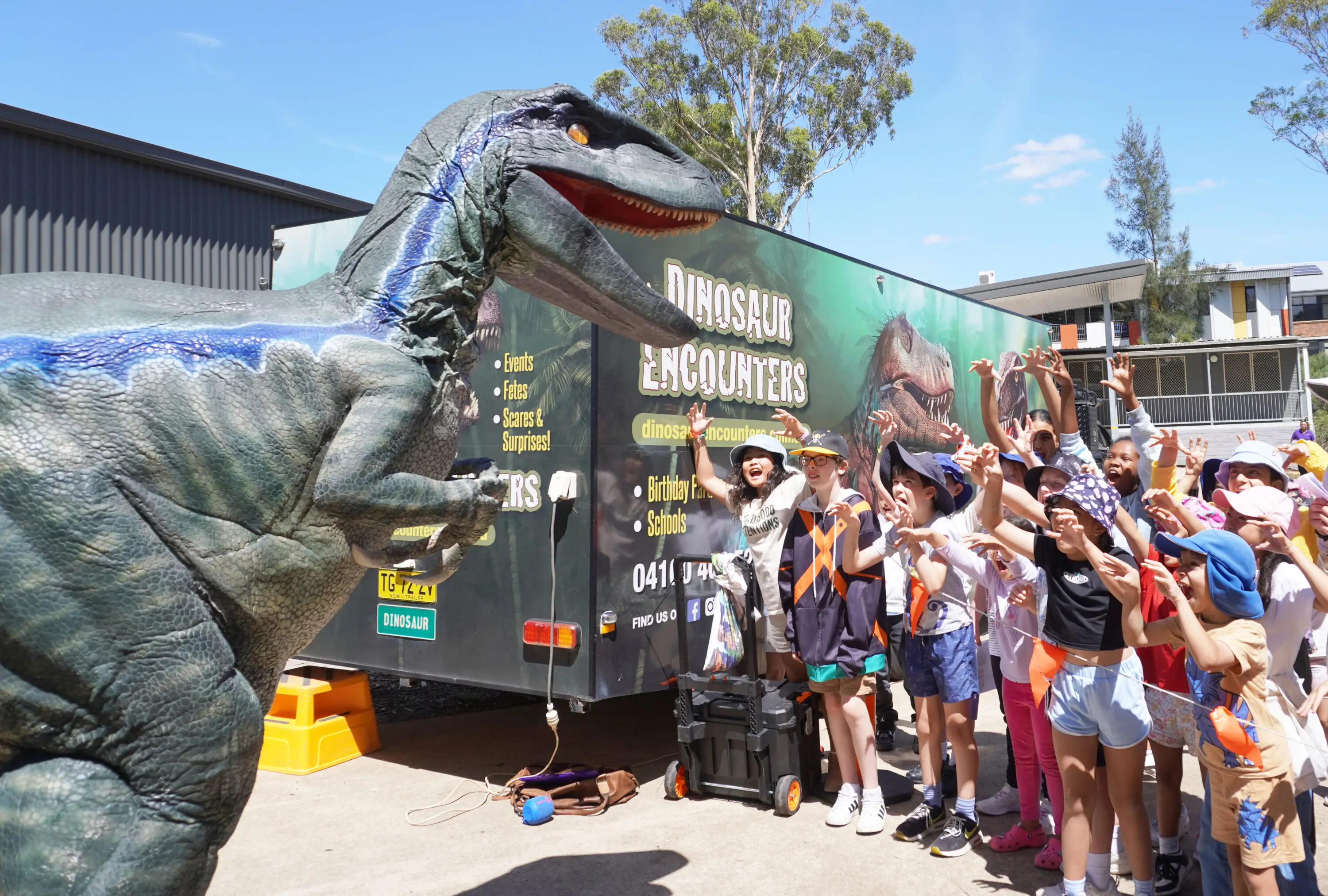
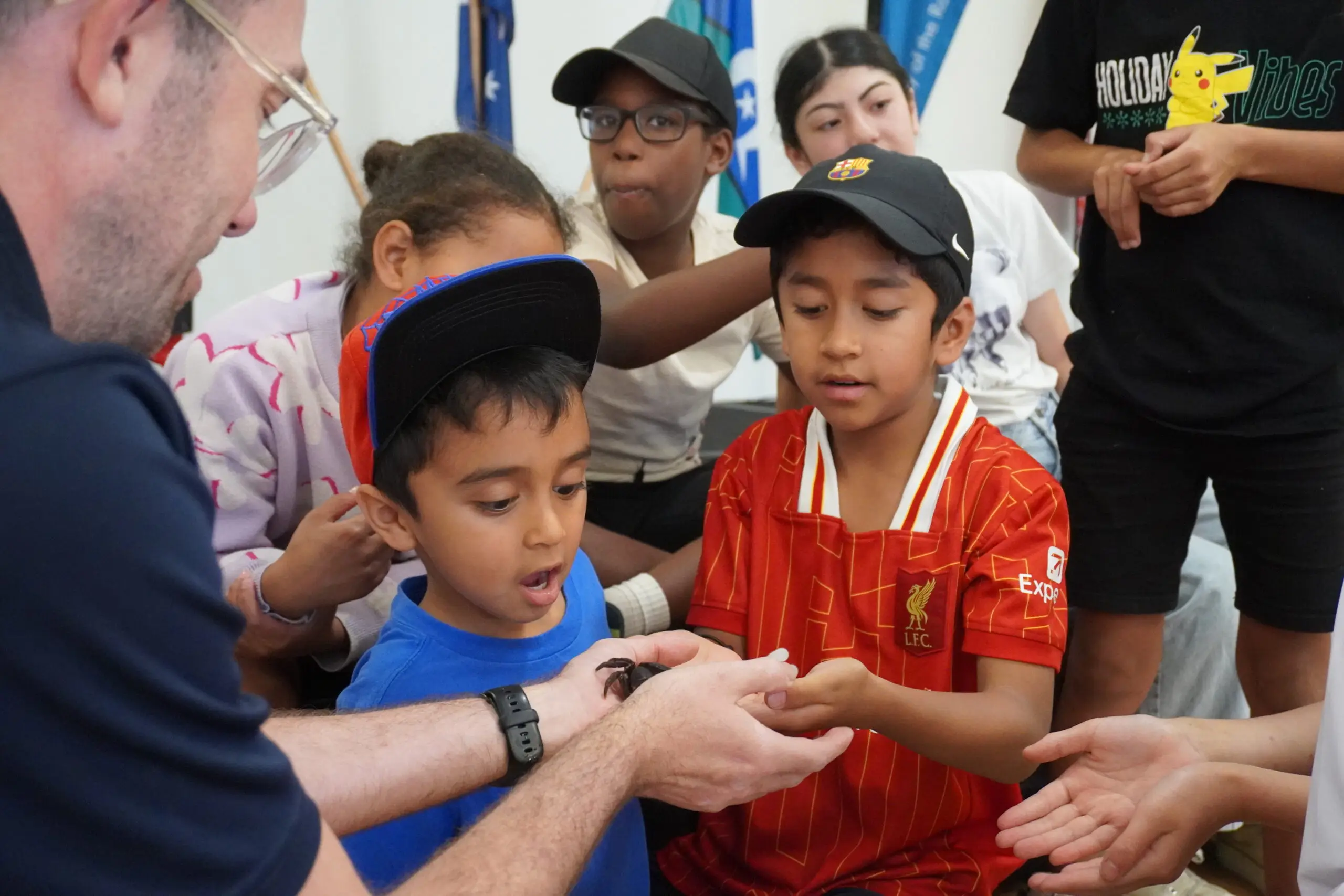
Ambrose Area Coordinator Fionn Byrne explains, “We’ve had visits from the Royal Flying Doctors Service with a life-sized plane, aquariums with live marine animals, dinosaur visits, reptile encounters, mini golf and cinema excursions, music and magic days, coding, baking, sports and more”.
“These activities are both fun and educational, offering children the chance to explore new interests and hobbies. Often community-based, they help children connect with their surroundings and foster a sense of belonging.”
Acknowledging the financial burden holiday activities can impose on families, Fionn adds, “Ambrose Vacation Care services are Child Care Subsidy approved, potentially reducing fees by up to 90% for eligible families.”
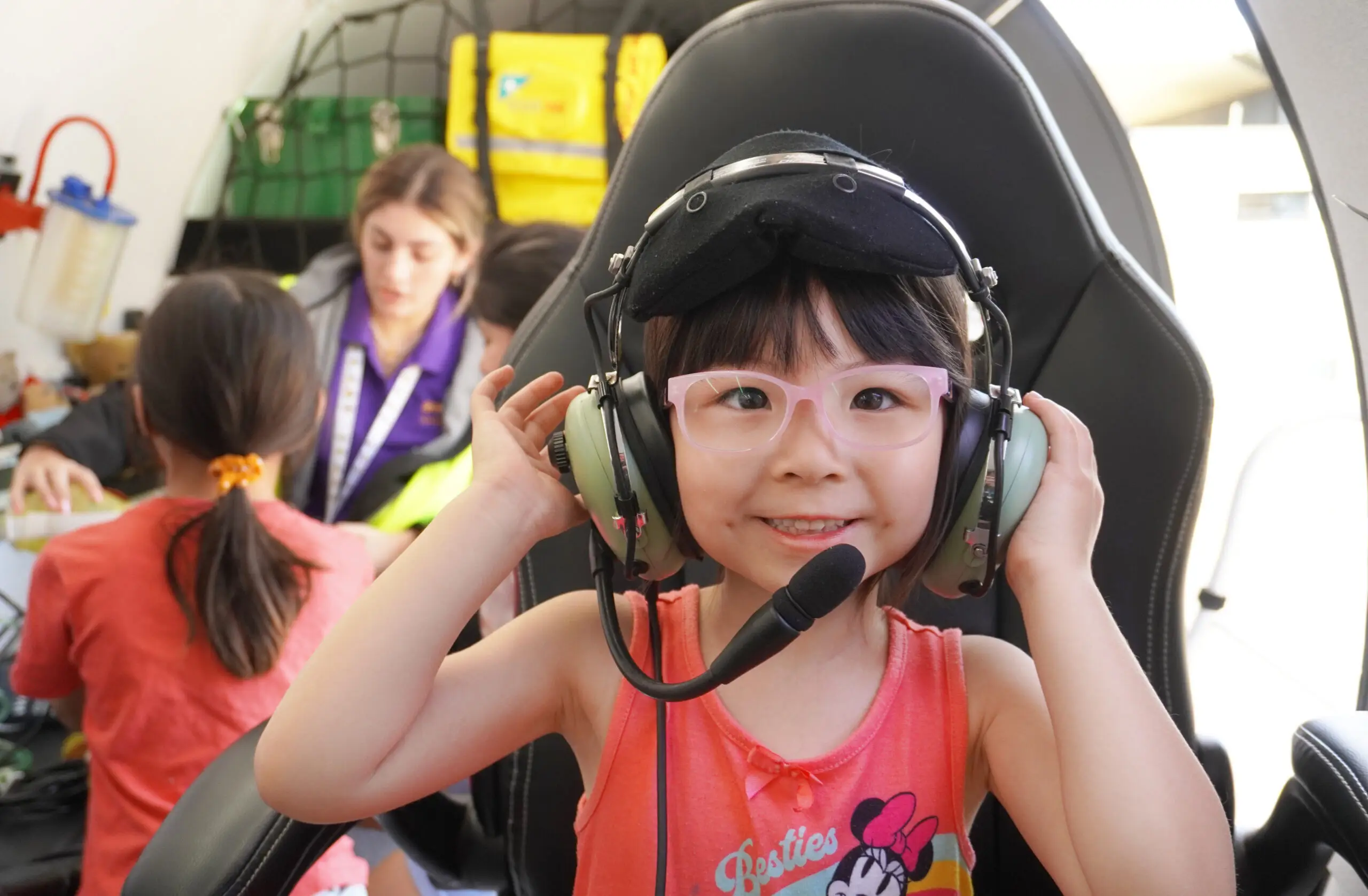
Children at Our Lady of the Rosary Kellyville exploring the Royal Flying Doctors Service’s life-sized replica plane.
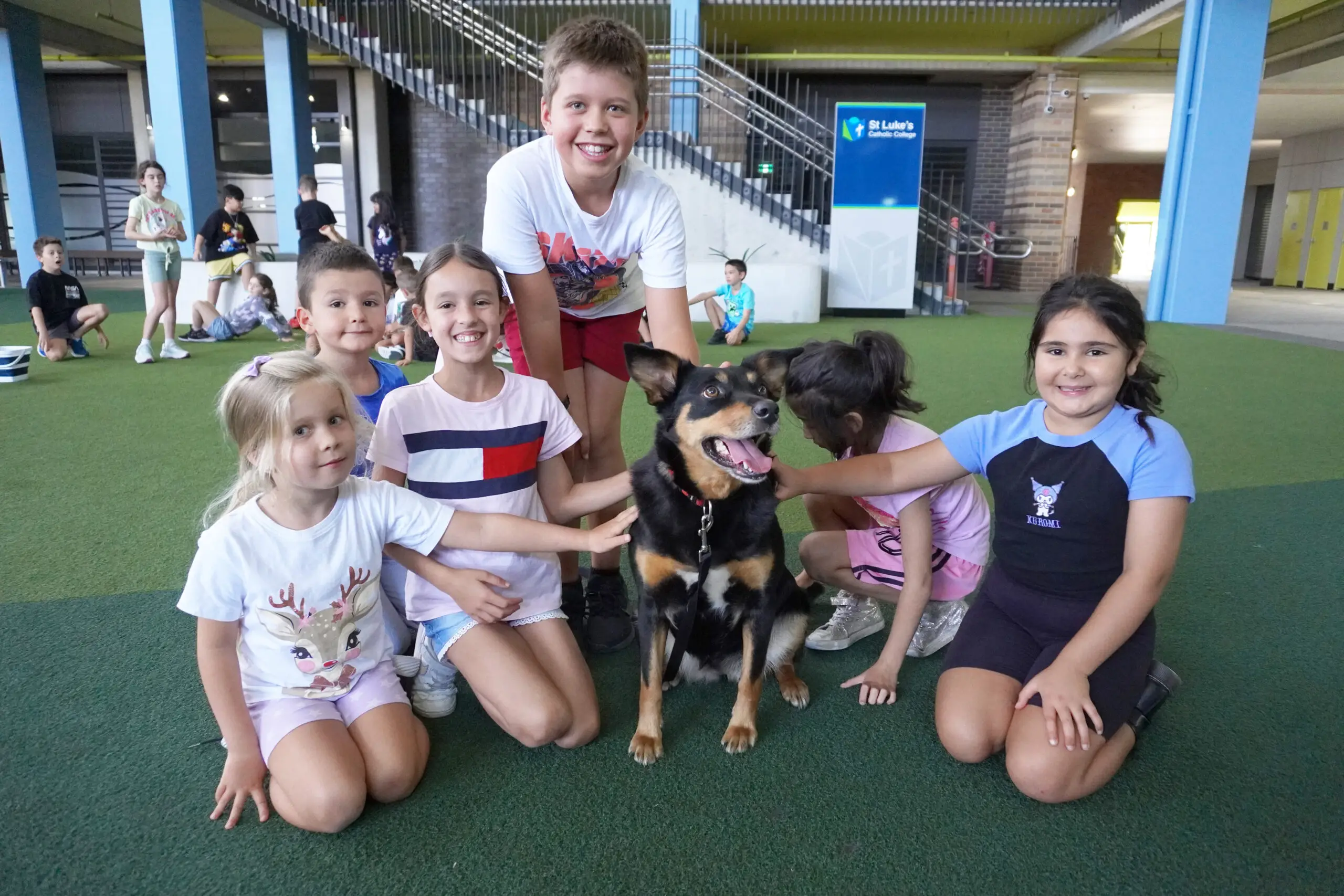
The children at Ambrose Activities St Luke’s Marsden Park learnt all about about farm life, thanks to Skye the farm dog
Ambrose Senior Manager of School Age Care Mabel Osei explains Ambrose Vacation Care services provide a safe and nurturing environment for children, allowing them to thrive, explore, and develop essential life skills. “The programs go beyond mere entertainment; they offer countless opportunities for personal growth. Children can form meaningful social connections with new friends and gain a variety of experiences. The programs cultivate independence, encourage learning, promote physical activity, and nurtures creativity.”
“This is a structured environment where children of varying ages can make friends and develop social skills. This is particularly beneficial for those entering Kindergarten as it helps them build confidence and form new friendships before starting big school.”
Working parents at St Angela’s Castle Hill appreciate the support: “I love the excursions and activities. It benefits me as I can focus on my work.” Another parent shared, “We both were working so it helped us to have care provided for him.”
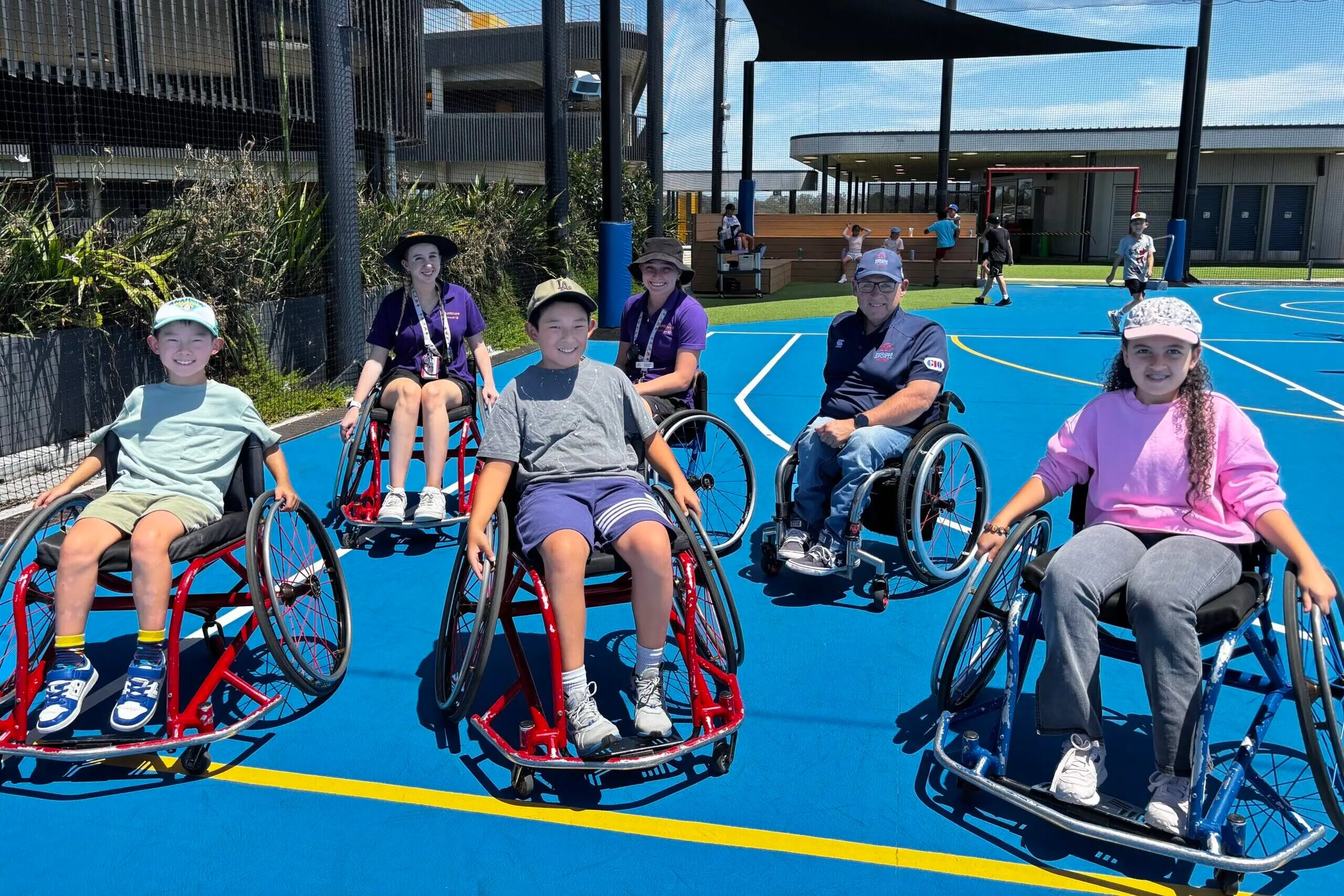
Santa Sophia Vacation Care had a great time playing a game of wheelchair basketball
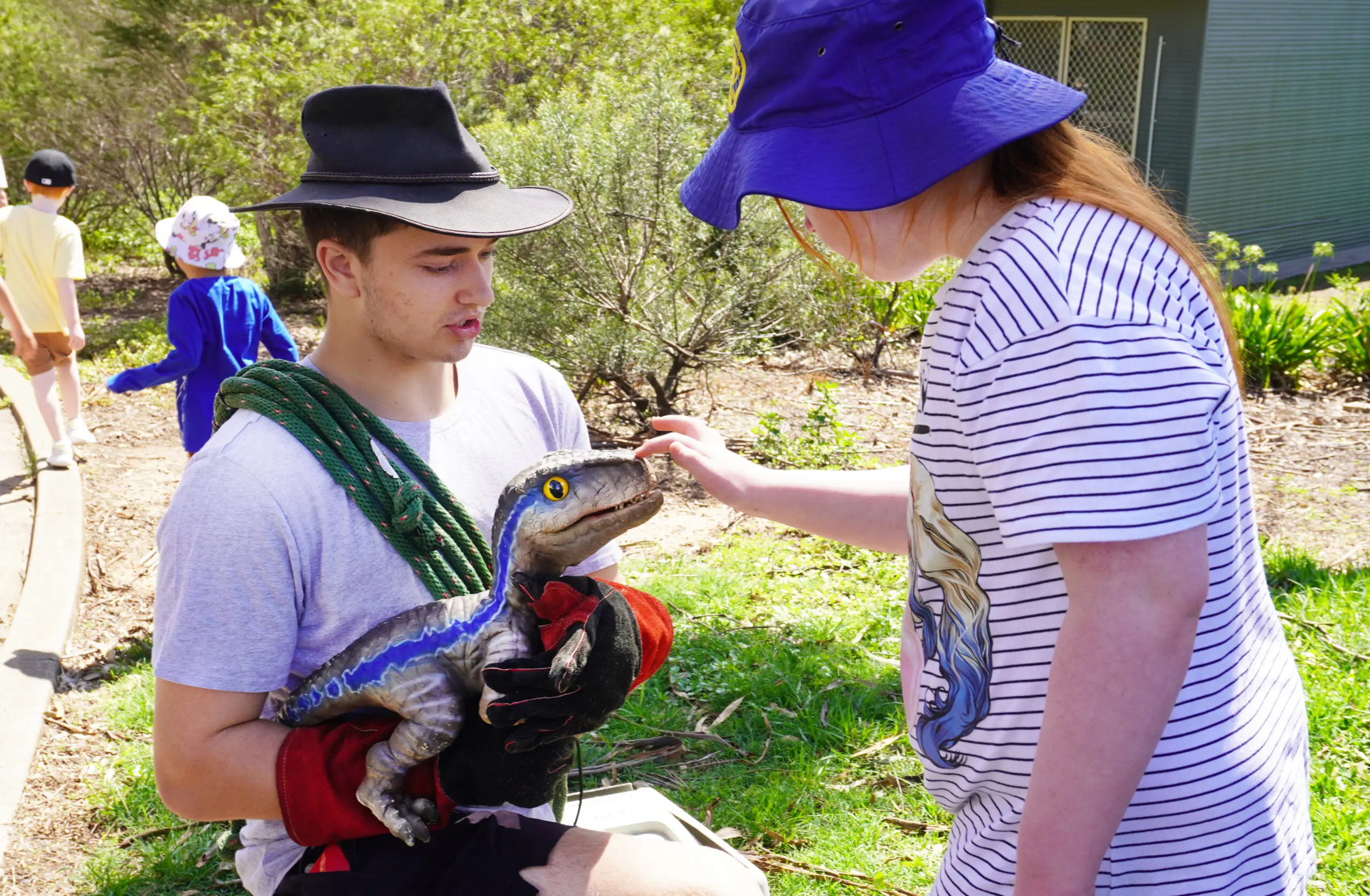
Not something you do every day – patting a baby dinosaur!
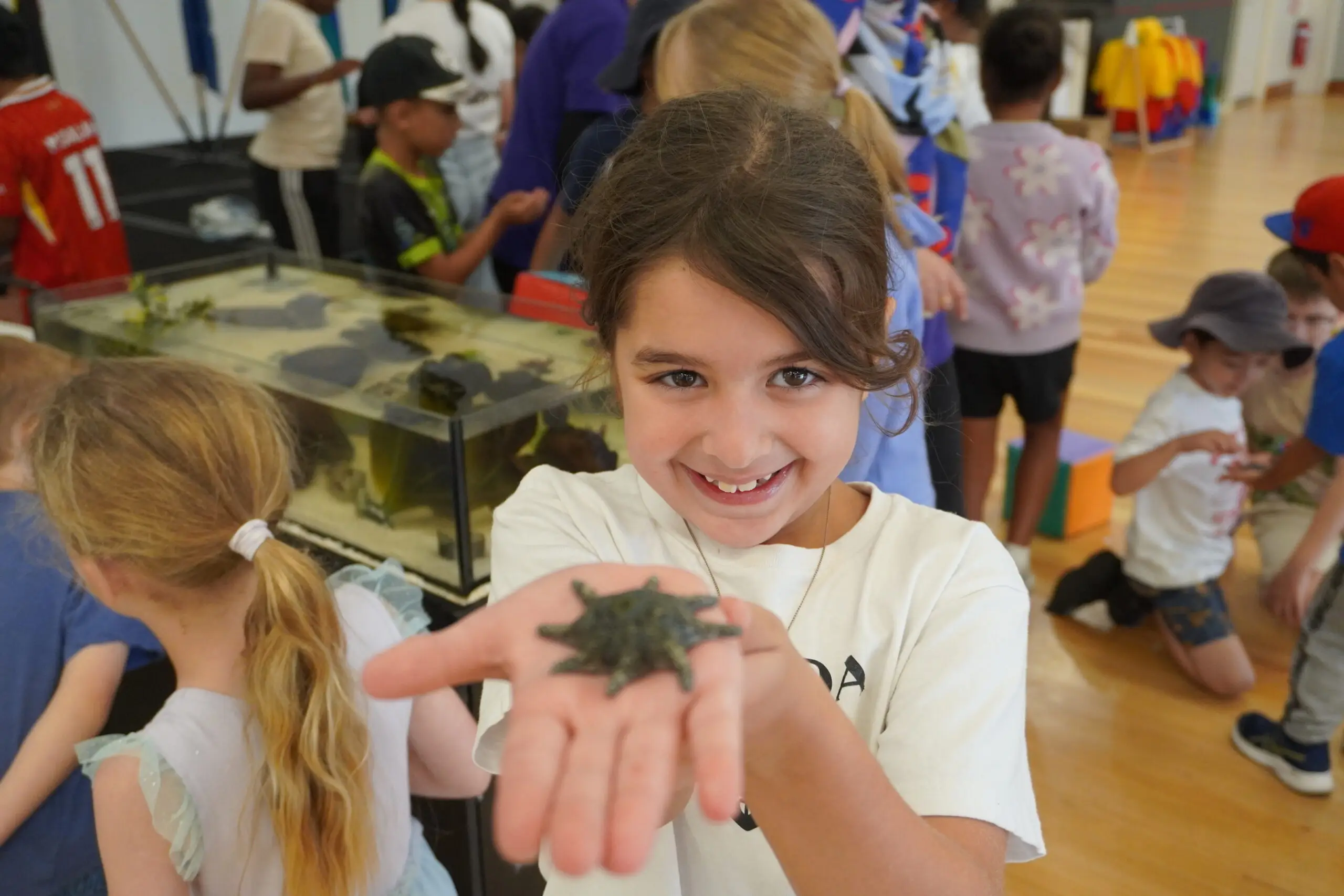
Children at Our Lady of the Rosary Kellyville explore the mobile aquarium, learning all about marine life.
Joshua Wood, Service Coordinator at Ambrose School Age Care Chisholm, Bligh Park, enjoys working in the vacation care program, sharing, “It’s always exciting to see familiar faces, build new friendships, and create memorable experiences together.”
So what do the children think? They love Ambrose Vacation Care for a range of reasons: “Talking to educators” – Stella “The activities” – Josephine “Making friends with the Santa Sophia kids and playing basketball” – Matteo “I love it when I can go to places and do stuff. I love it when people come and do stuff with us.” – Erica “I love the surprise when someone comes and does stuff” – Ayen
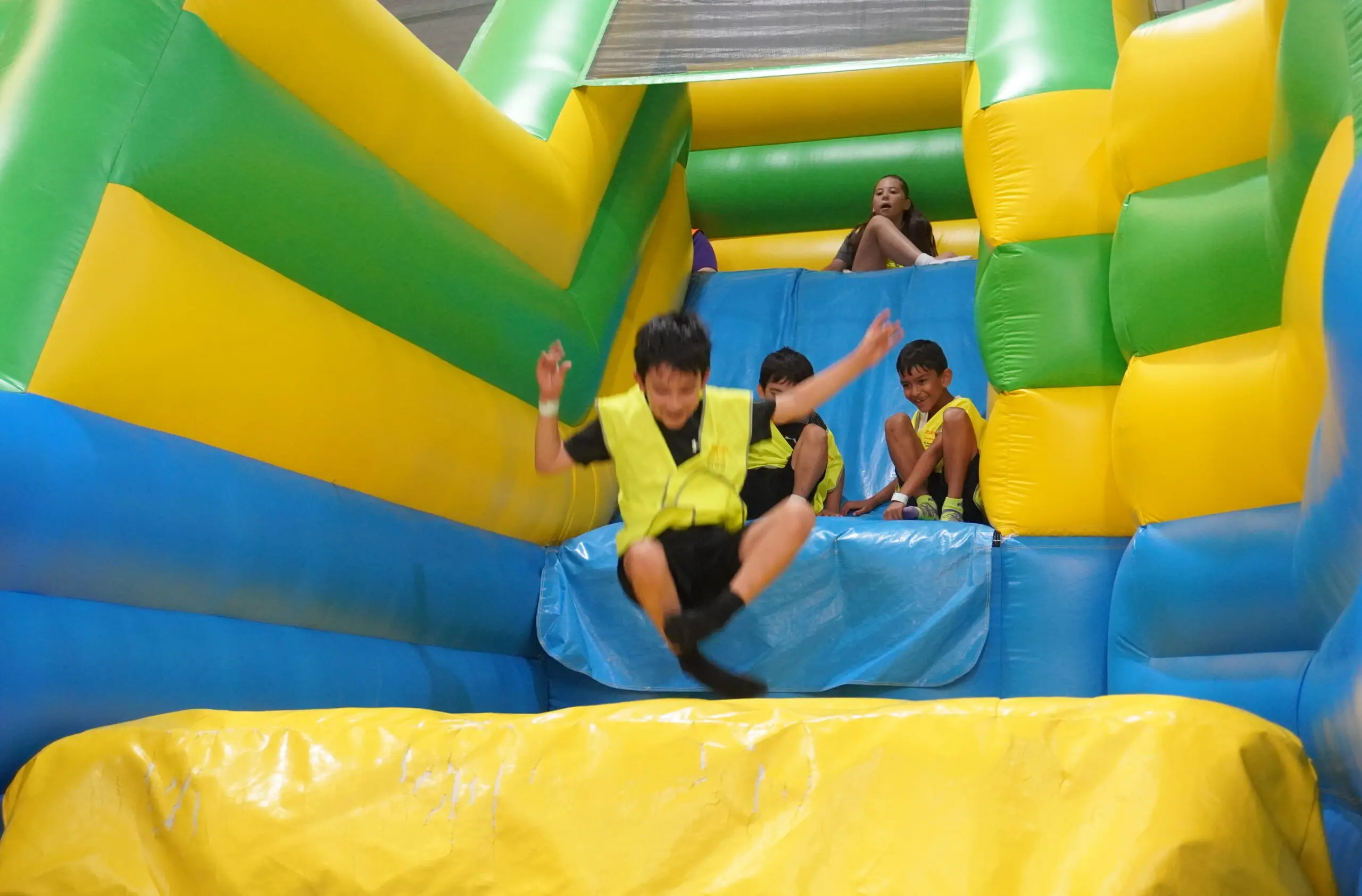
The children at St Joseph’s Schofields enjoying a day of jumping, bouncing, and sliding at Inflatable World.
Children at Our Lady of the Rosary Kellyville getting up close with marine animals and learning about marine biology
Grounded in the Catholic faith and open to all, our learning communities welcome families from all backgrounds, cultures and faith traditions.
Guided by the values of Respect, Encouragement and Care, educators support children to:
Develop kindness, empathy and gratitude
Build respectful relationships
Care for others and the environment
Develop confidence and a sense of belonging
Recognise and value diversity within the community
Faith and spirituality are experienced in age-appropriate and meaningful ways through:
Prayer and reflection
Stories, celebrations and traditions
Shared values and respectful relationships
Participation in school and community events
Experiences of care, inclusion and belonging
Educators nurture children’s natural sense of curiosity, wonder and connection to the world around them while supporting them to grow as caring, thoughtful and respectful individuals.
As part of a Catholic community, children experience opportunities to build connections with:
Educators and families
School and parish communities
Cultural and community celebrations
Shared events and experiences
The wider world around them
Transitioning to Kindergarten
At Ambrose, transition to school is viewed as a gradual and supportive journey where children build confidence, familiarity and a sense of belonging before their first day of school.
Throughout the year, educators intentionally support children to develop:
Confidence participating in group learning experiences
Listening and communication skills
Independence and self-help skills
Emotional regulation and resilience
Attention, persistence and flexible thinking
Positive relationships and social confidence
Familiarity with routines and transitions
Families are supported throughout the transition process through:
Ongoing communication and transition discussions
Parent-teacher interviews and learning updates
Transition to School Statements
Opportunities to connect with educators and school communities
Social and Emotional Development
At Ambrose, children are part of a connected Catholic school community where relationships, belonging and wellbeing are intentionally nurtured every day.
Grounded in the values of respect, encouragement and care, our nurturing learning environments support children to feel:
Safe and supported
Confident to participate and try new things
Connected to others and their community
Valued as capable learners
A strong sense of identity and belonging
Social and emotional learning is embedded throughout the day through:
Collaborative play experiences
Group discussions and reflection
Intentional teaching moments
Problem solving and conflict resolution
Structured routines and expectations
Prayer, wellbeing and relationship building
Through intentional play-based learning, structured routines and shared experiences, children develop:
Confidence and independence
Positive relationships and friendships
Emotional awareness and self-regulation
Resilience
Communication and collaboration skills
Respect, empathy and kindness
Mathematical Thinking and Inquiry
At Ambrose, mathematical thinking is developed through intentional play-based learning, inquiry, investigation and hands-on learning experiences that encourage children to explore, question and problem solve.
The Ambrose Foundations program supports children’s learning about mathematical concepts and applying them in their play and inquiries including STEAM experiences, construction, investigation and collaborative learning.
Children become familiar with:
Patterns and predictions
Shapes and spatial thinking
Measurement and data
Quantity and counting
Teachers intentionally plan for children’s Mathematical Inquiry and thinking, supporting children to develop:
Early number awareness
Problem solving and critical thinking
Pattern recognition
Spatial awareness
Reasoning and prediction skills
Confidence exploring mathematical concepts
Curiosity and inquiry skills
Language and Literacy
Strong literacy foundations begin with language, communication and connection. Children develop literacy skills through meaningful, hands-on experiences that connect learning to their everyday lives, interests and the natural world.
As part of the Catholic school community, Ambrose supports literacy development through a seamless continuum of learning from early childhood into kindergarten and the early years of school.
Through intentional play-based learning and literacy experiences, children build the confidence, communication skills and early learning foundations that support a successful transition into school.