
Ambrose brings Out of School Hours Care that kids love to Guildford. Our professionally structured programs provide a vibrant and caring faith-based environment for children in Years K-6.
Operating within the grounds of St Patrick’s Primary School, we offer Before and After School Care during school terms and all-day care on pupil-free days.
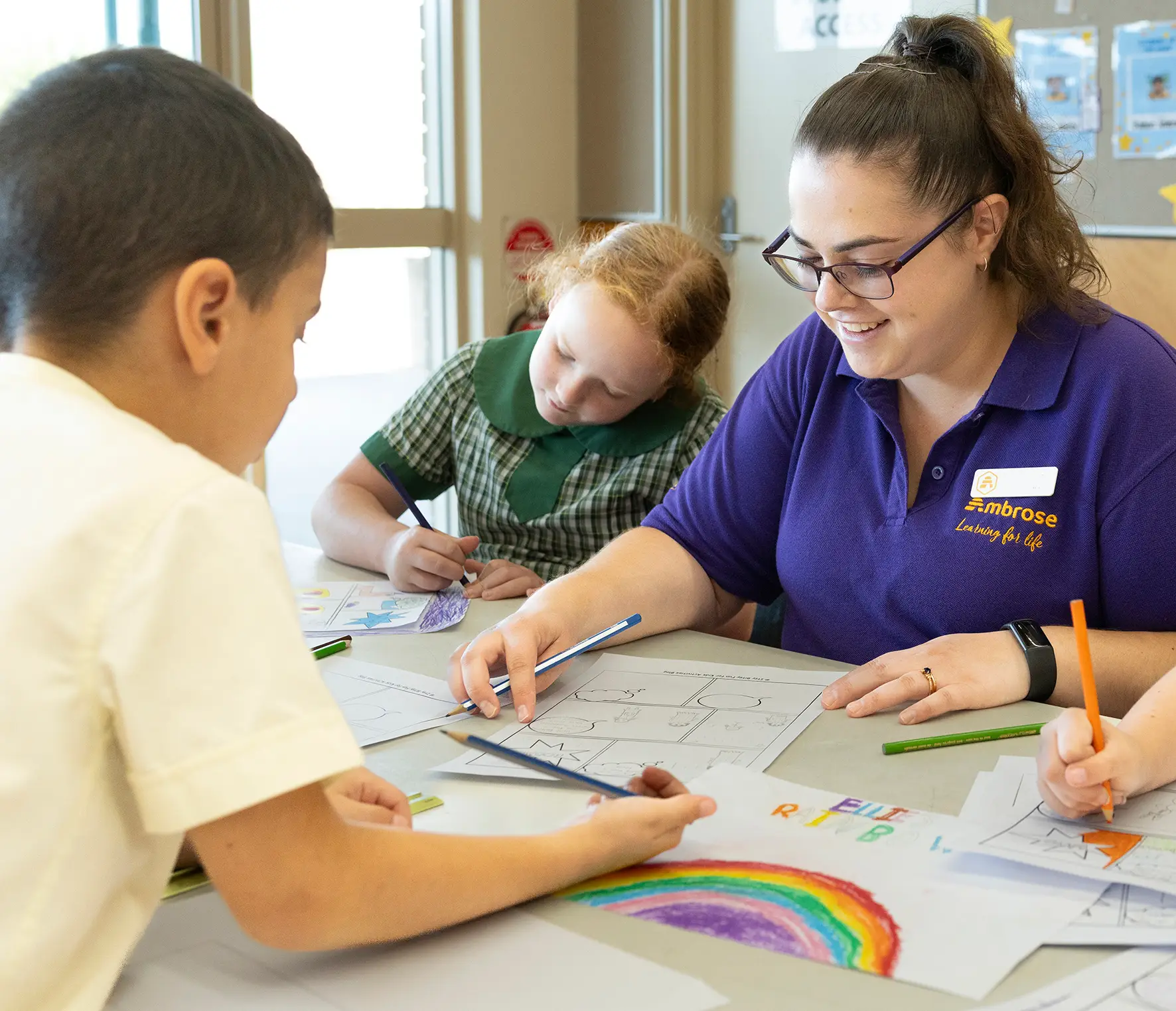
Led by qualified Ambrose educators, our children enjoy activities tailored to their differing ages, interests, and needs.
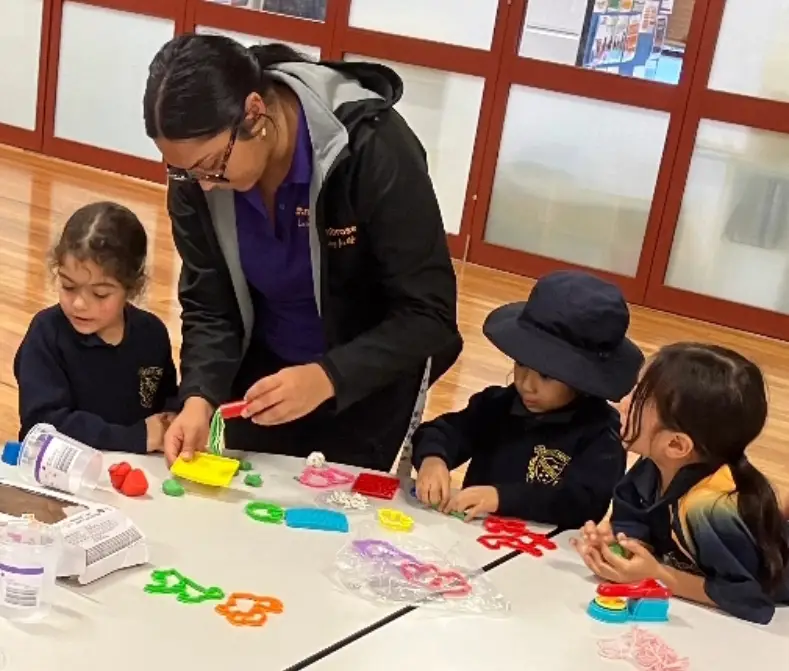
During the school term, they are welcome to use their time with us to complete homework. But we also encourage healthy play-based activities ranging from crafts, board games, puzzles, and cooking to dramatic play, construction, and outdoor play. Our outdoor programs include sports, group games, and plenty of opportunities to build confidence.
On pupil-free days your children learn and socialise with the perfect balance of active and creative experiences.
It’s a great place to make friends and most importantly – have fun!
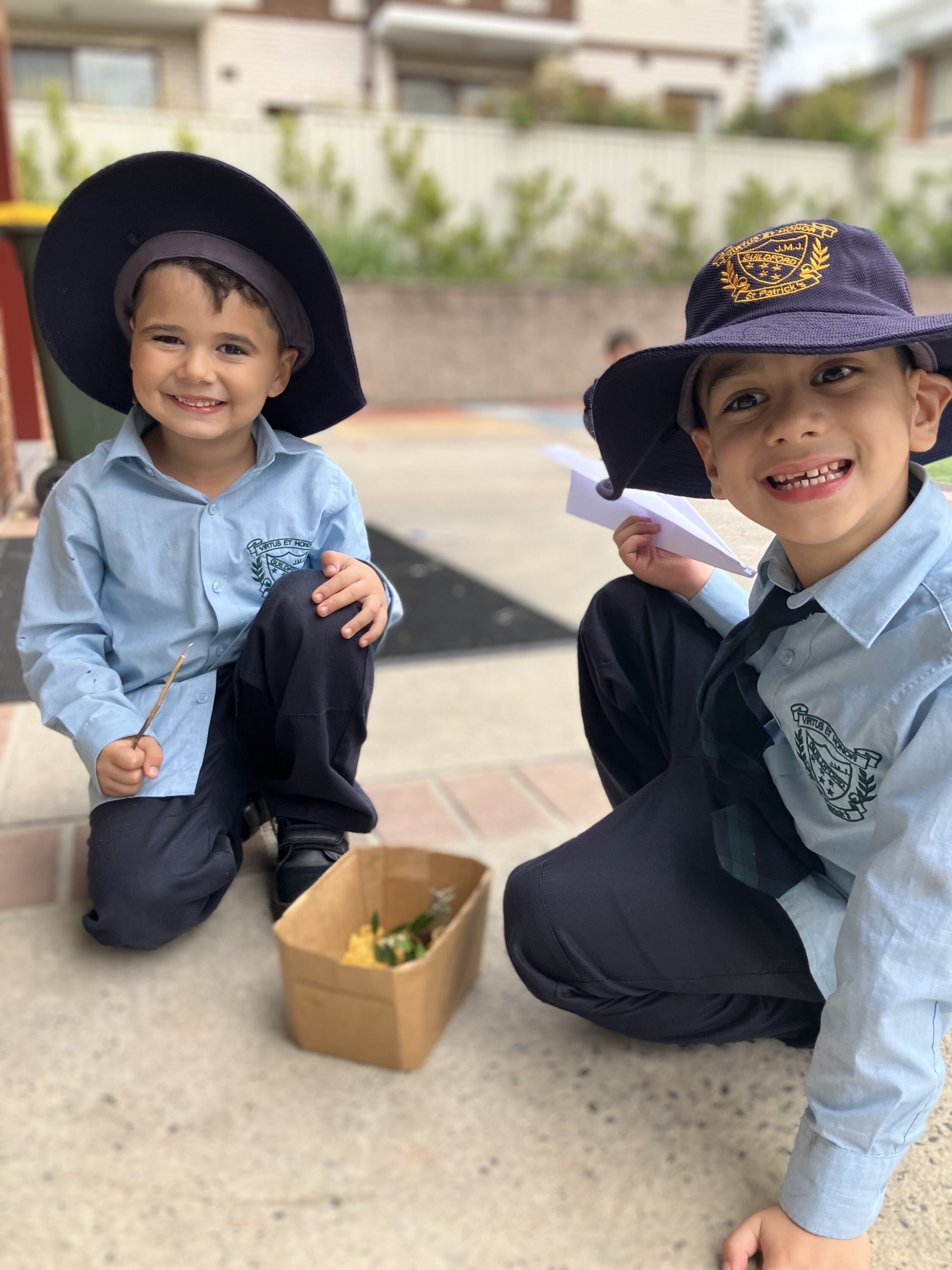
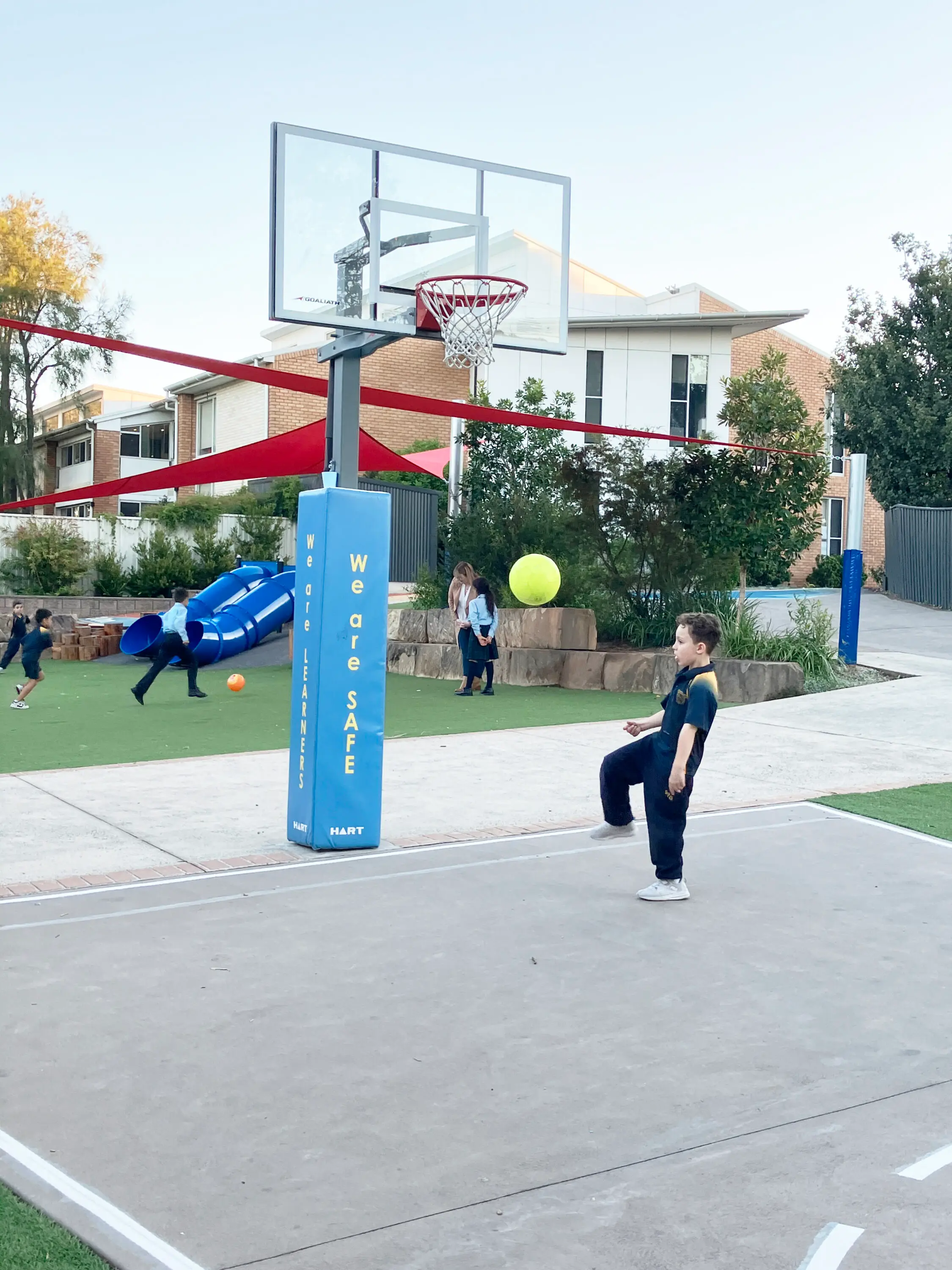
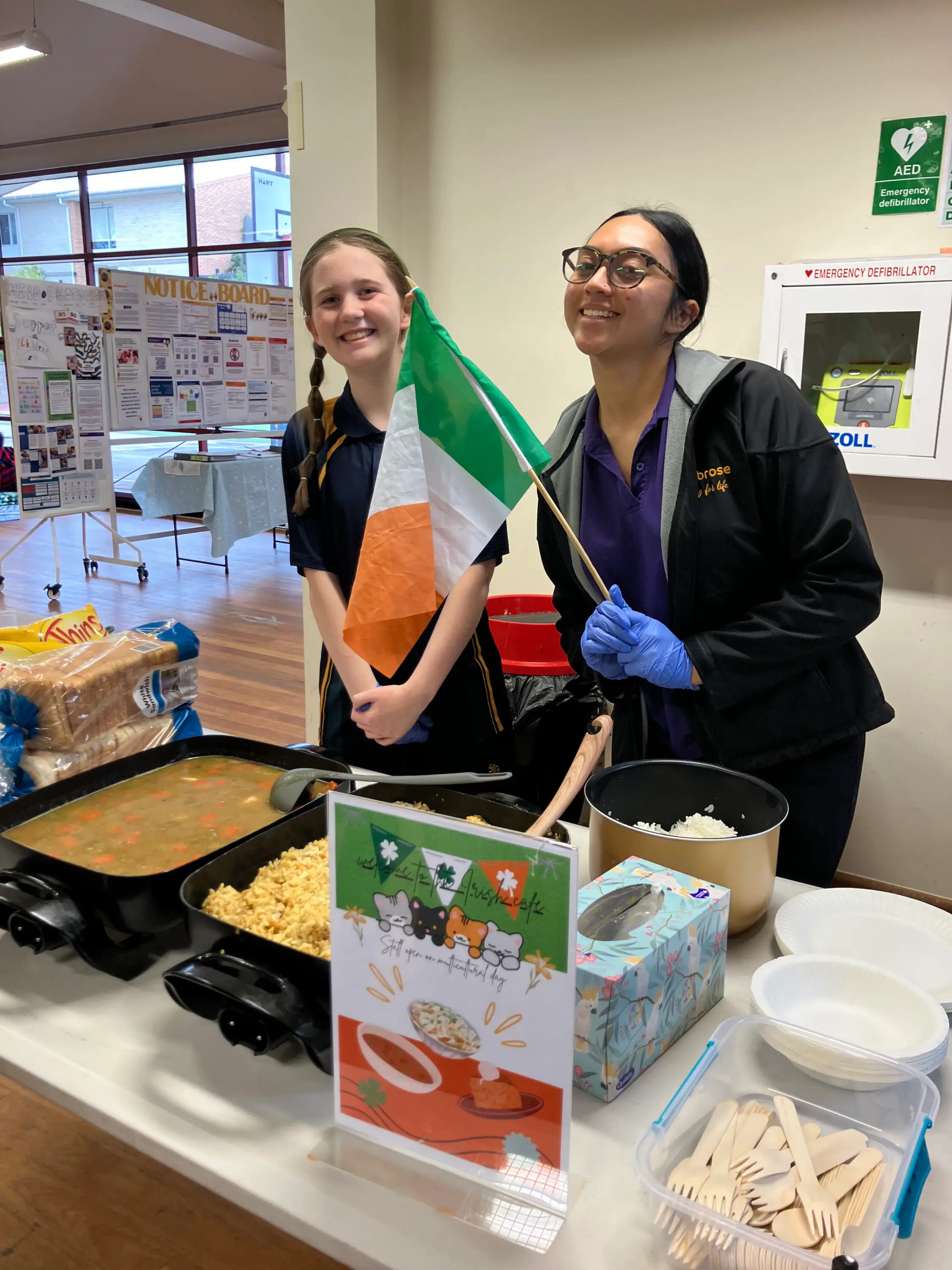
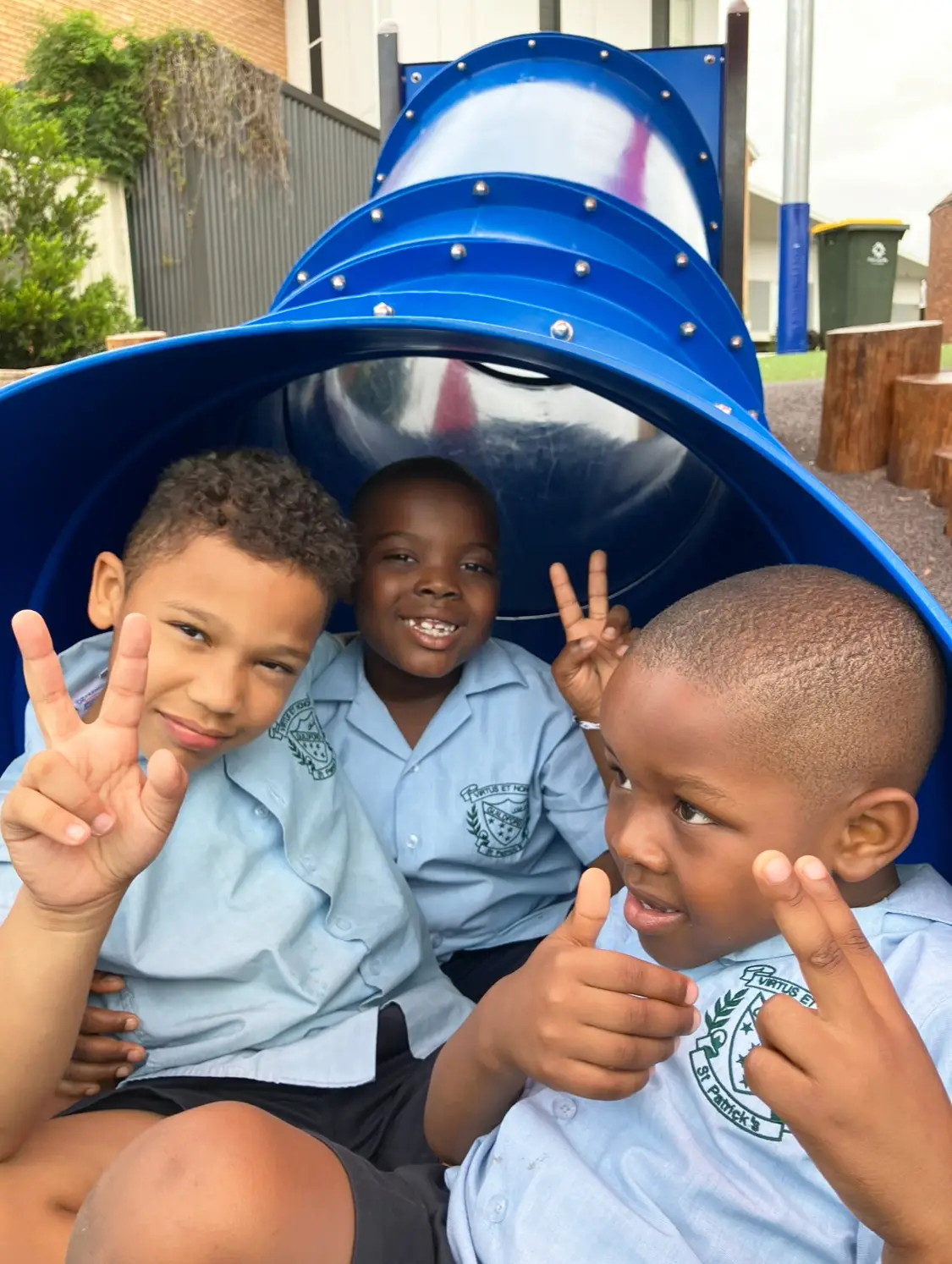
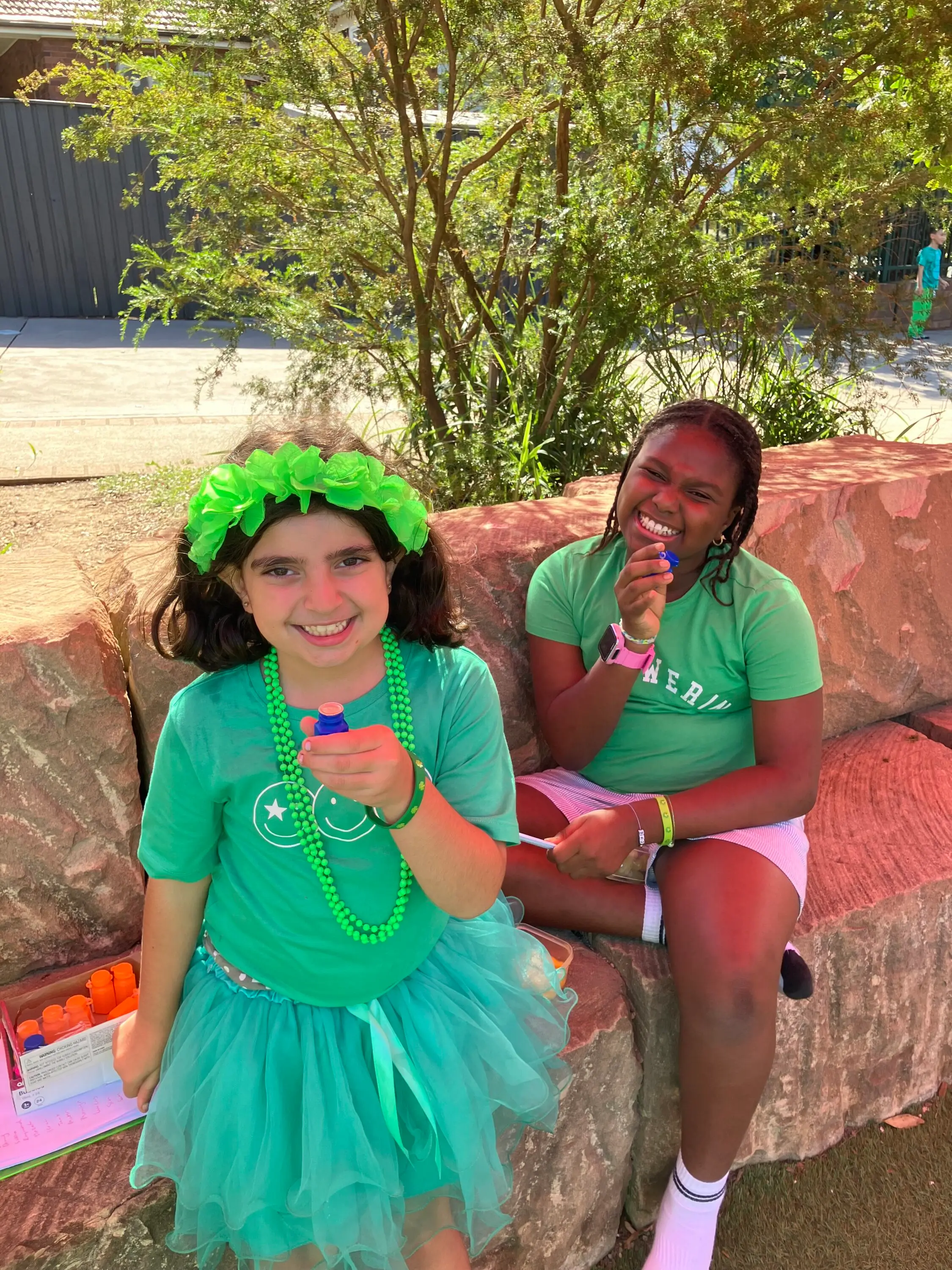

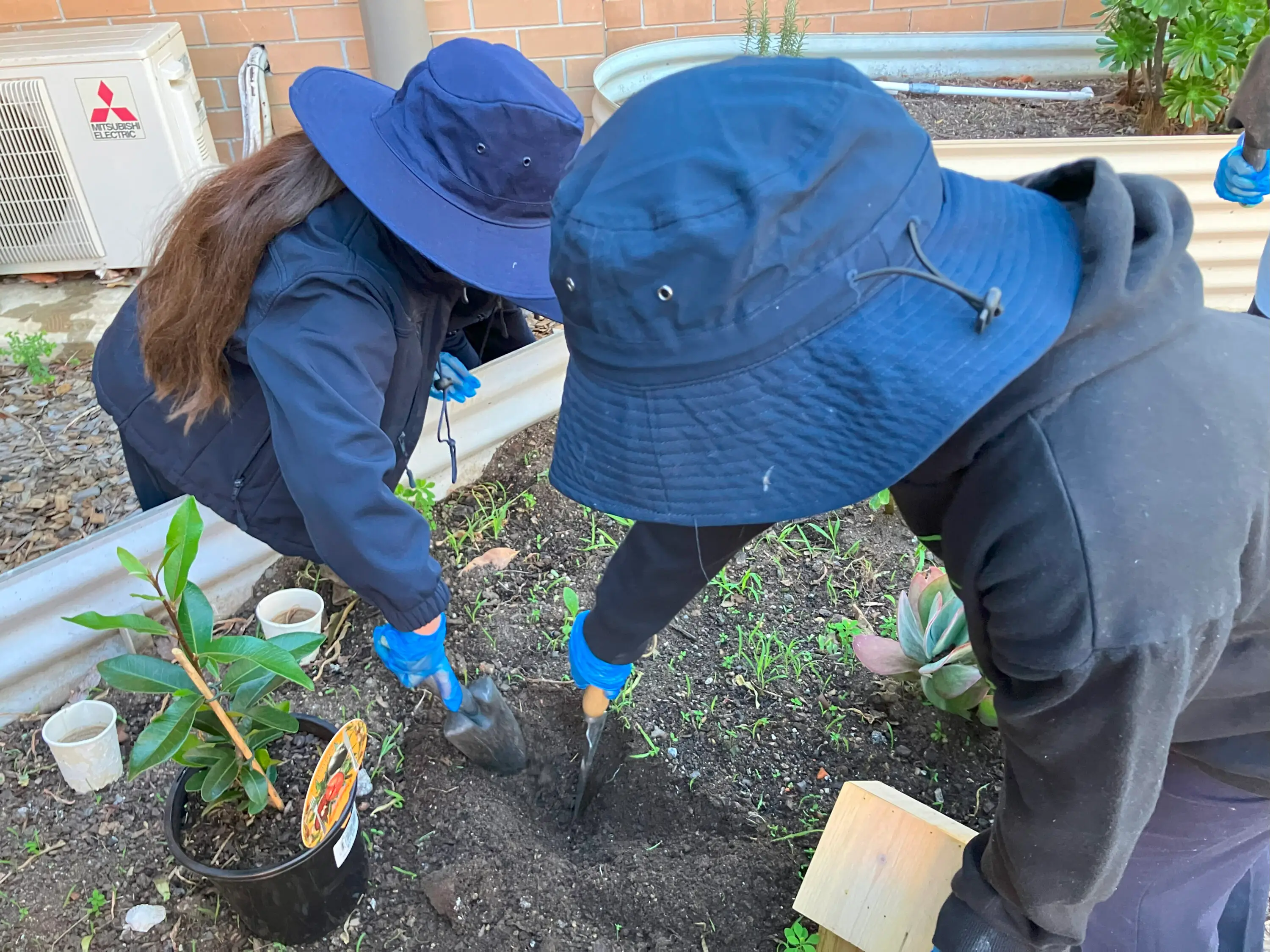

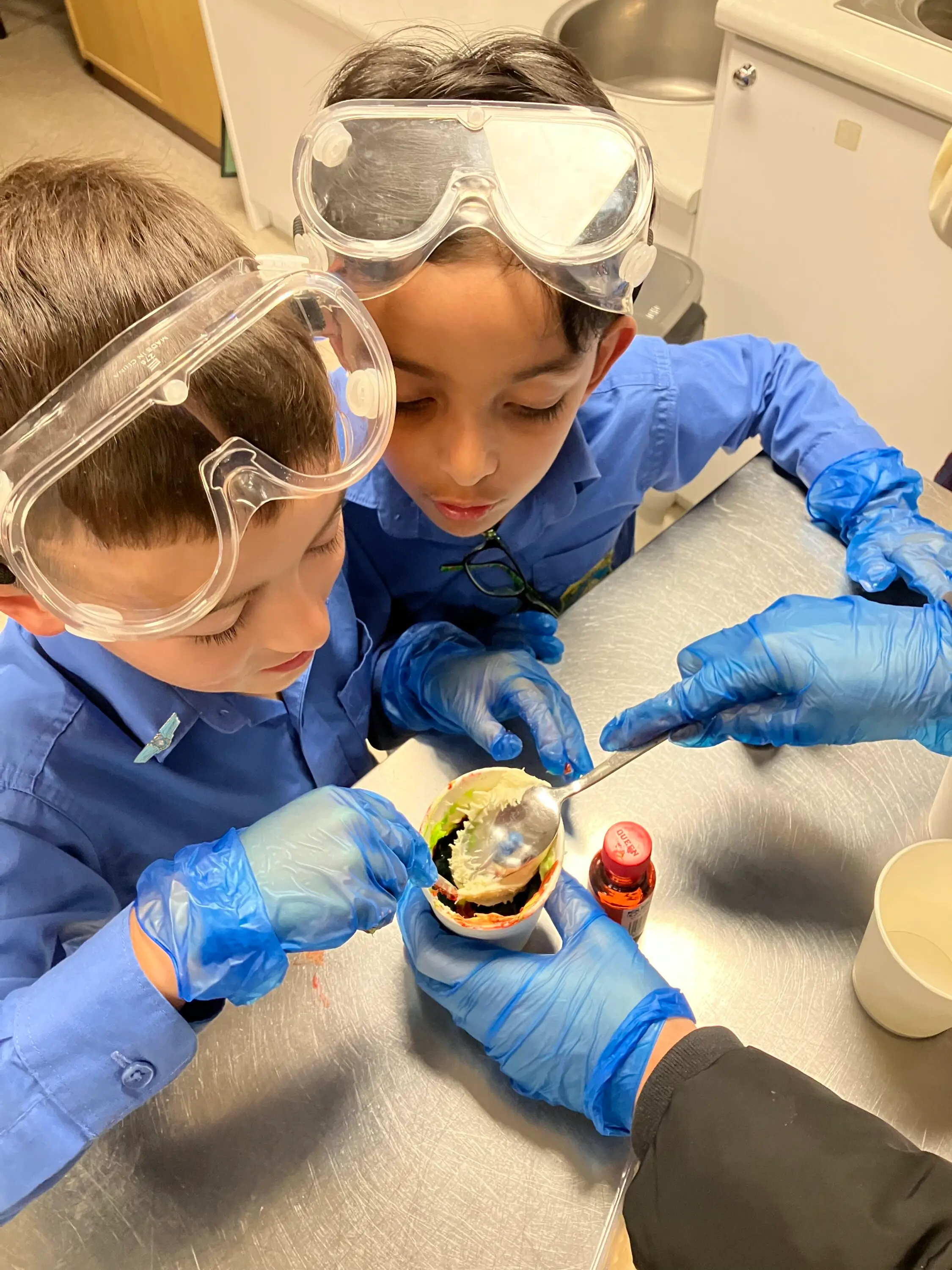


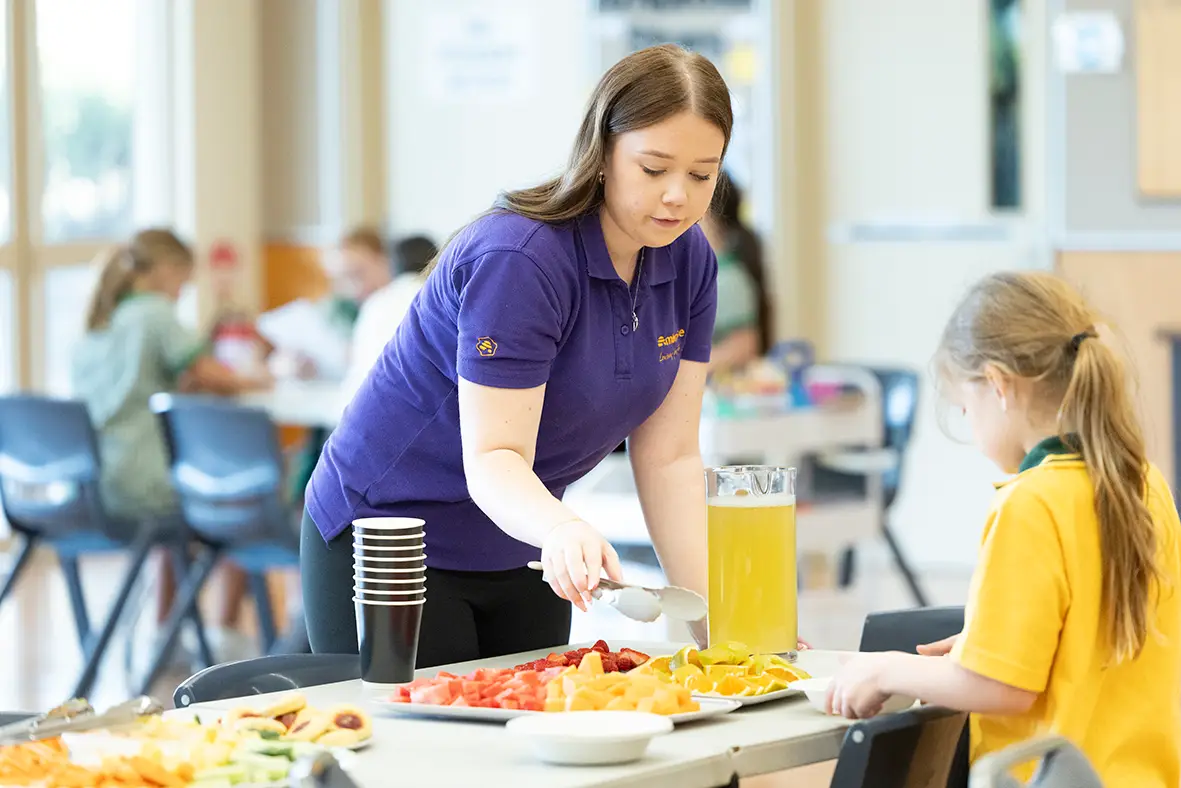
Active Play
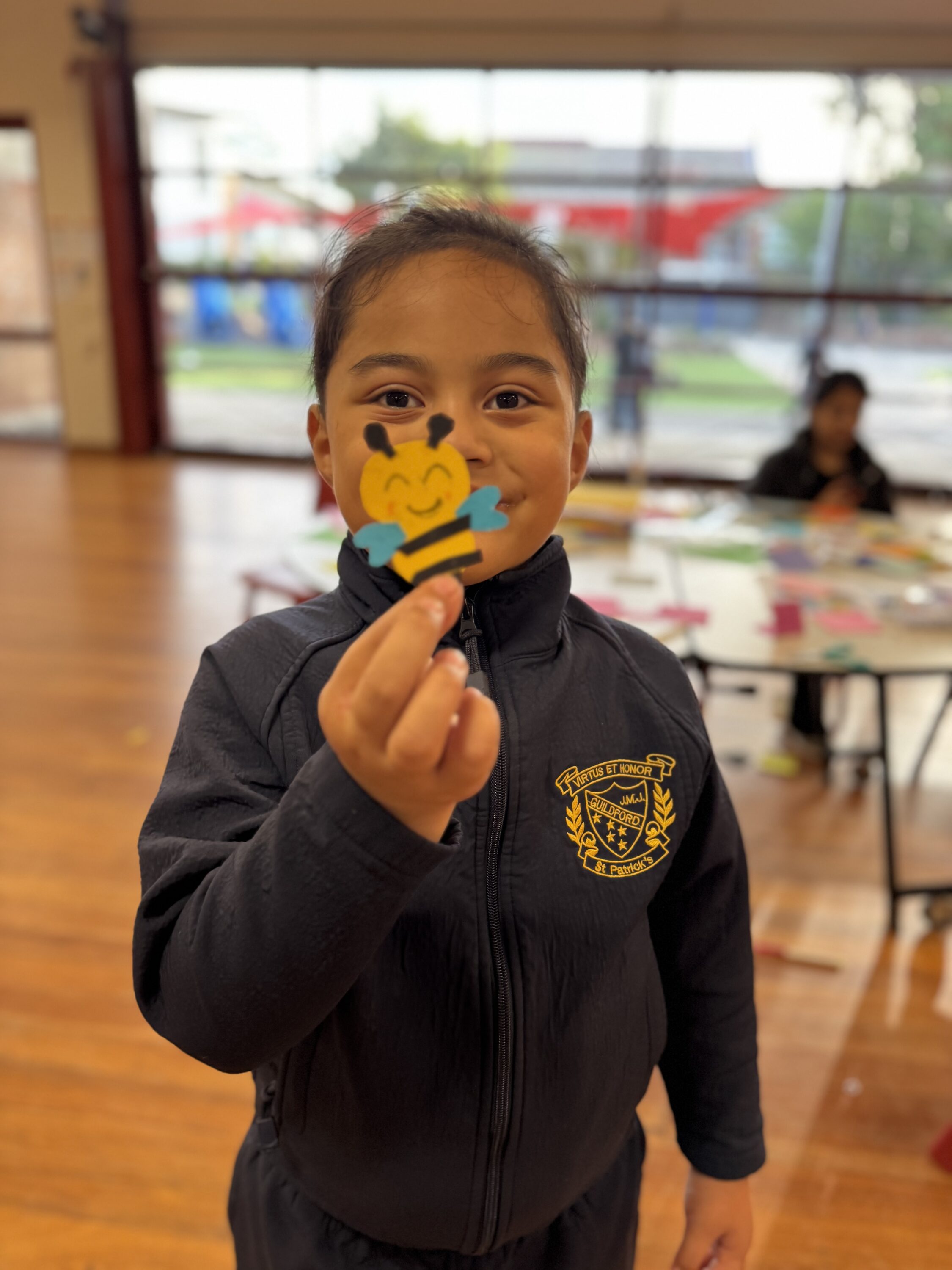
Creative Experiences
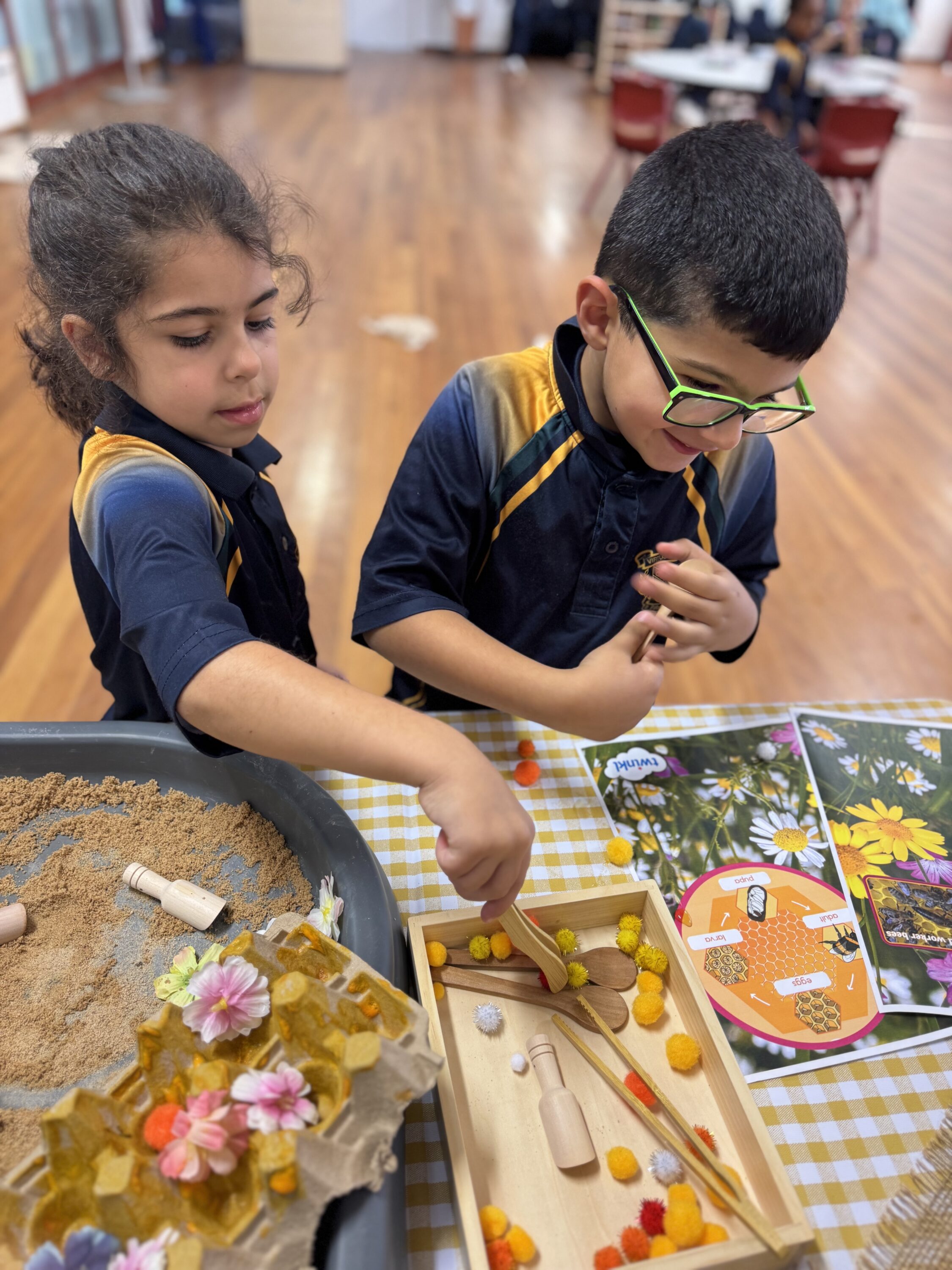
Discovery
Social Interaction
Quiet Time
Wellbeing
We understand starting kindergarten is a big milestone, and we’re here to support your child on their journey. Located on school grounds, our services provide a safe, familiar environment where children can build confidence and make friends.
To support the transition to primary school, our January Vacation Care program is also open to kindergarten children who are enrolled for the upcoming school year.
Use our CCS calculator to estimate your out‑of‑pocket costs.
The Child Care Subsidy (CCS) can reduce your daily out-of-pocket costs by up to 95% depending on your family’s entitlements.
Important: This calculator is provided as a guide only and is dependent on the accuracy of information entered. The actual Child Care Subsidy you receive may differ. All calculations incorporate the Federal Government’s 5% withholding amount. Changes in entitlements can occur between estimation and commencement of care. Subsidy is subject to State and Federal Government specific requirements. For the most accurate estimate, visit myGov or contact your local Family Assistance Office.
Access Enrolment Form
Click the enrol now button to access the enrolment form.
Complete Your Enrolment
Fill out one enrolment form for each child.
We recommend setting aside 10-15 minutes and having your child’s necessary documentation.
Important:
Ensure all sections are completed and documents are clear to avoid delays.
The Primary Guardian must match the parent/guardian linked to your CCS claim.
You can save your form and return to it anytime.
Submit the Form
Once you have submitted the enrolment form, you will receive an Enrolment Confirmation email.
Please be aware that this does not confirm your child’s enrolment to commence immediately; instead, it is a confirmation that the enrolment form has been submitted.
Service Review
The service will review the form and ensure all necessary paperwork and steps to complete the enrolment have been actioned.
Confirmation of Enrolment
Once the enrolment is approved, you will receive a confirmation email from the service, which will include your child’s starting date.
Please allow 2-3 working days for this to occur.
Grounded in the Catholic faith and open to all, our learning communities welcome families from all backgrounds, cultures and faith traditions.
Guided by the values of Respect, Encouragement and Care, educators support children to:
Faith and spirituality are experienced in age-appropriate and meaningful ways through:
Educators nurture children’s natural sense of curiosity, wonder and connection to the world around them while supporting them to grow as caring, thoughtful and respectful individuals.
As part of a Catholic community, children experience opportunities to build connections with:
At Ambrose, transition to school is viewed as a gradual and supportive journey where children build confidence, familiarity and a sense of belonging before their first day of school.
Throughout the year, educators intentionally support children to develop:
Families are supported throughout the transition process through:
At Ambrose, children are part of a connected Catholic school community where relationships, belonging and wellbeing are intentionally nurtured every day.
Grounded in the values of respect, encouragement and care, our nurturing learning environments support children to feel:
Social and emotional learning is embedded throughout the day through:
Through intentional play-based learning, structured routines and shared experiences, children develop:
At Ambrose, mathematical thinking is developed through intentional play-based learning, inquiry, investigation and hands-on learning experiences that encourage children to explore, question and problem solve.
The Ambrose Foundations program supports children’s learning about mathematical concepts and applying them in their play and inquiries including STEAM experiences, construction, investigation and collaborative learning.
Children become familiar with:
Teachers intentionally plan for children’s Mathematical Inquiry and thinking, supporting children to develop:
Strong literacy foundations begin with language, communication and connection. Children develop literacy skills through meaningful, hands-on experiences that connect learning to their everyday lives, interests and the natural world.
As part of the Catholic school community, Ambrose supports literacy development through a seamless continuum of learning from early childhood into kindergarten and the early years of school.
Through intentional play-based learning and literacy experiences, children build the confidence, communication skills and early learning foundations that support a successful transition into school.