Professional Development for School Age Care Team

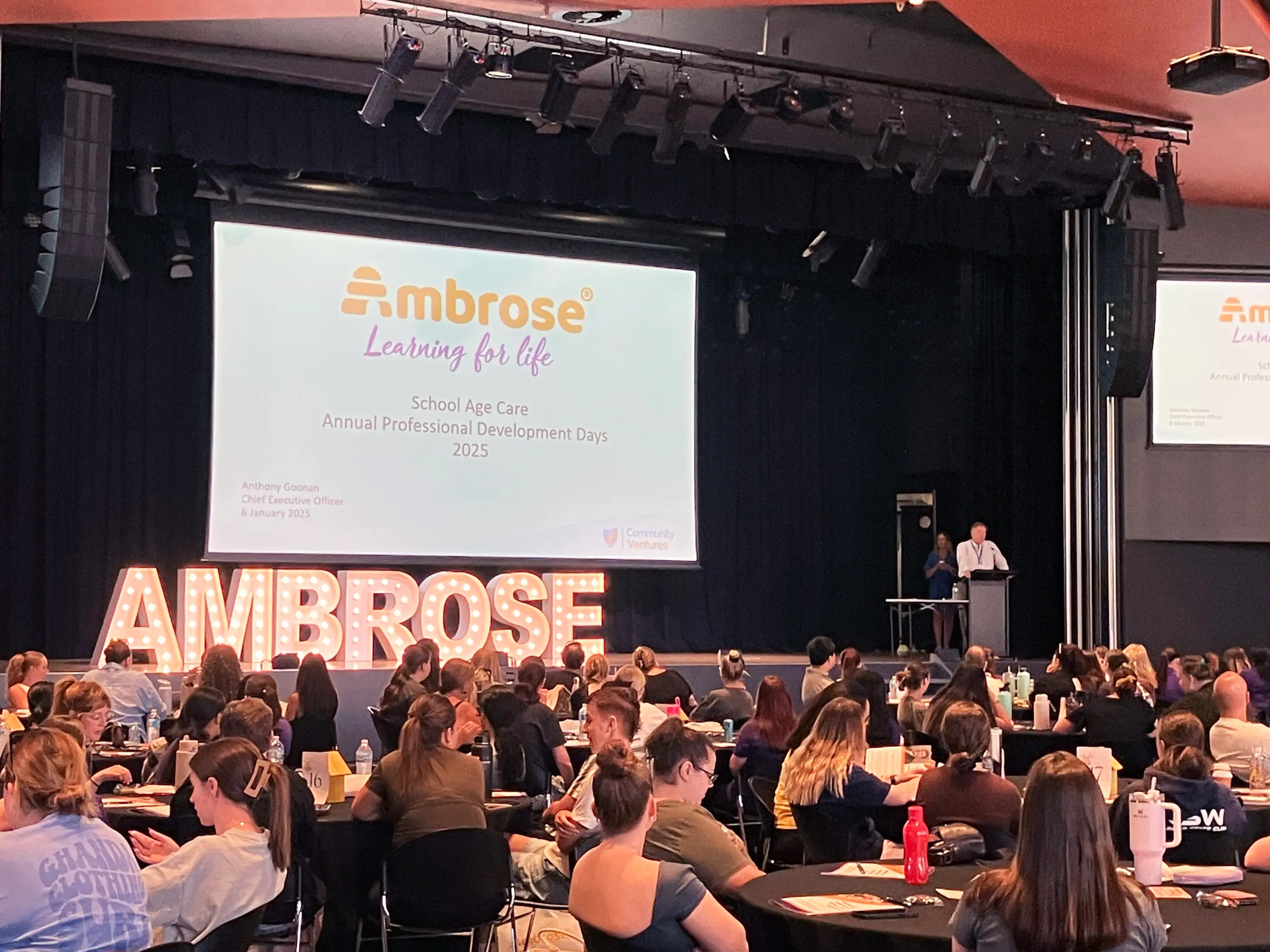
Ambrose School Age Care kick started 2025 by gathering over 300 educators and coordinators for two days of Professional Development. The conference featured collaborative sessions on authentic inclusion, cultural understanding, embedding Indigenous perspectives, supporting children’s development, fostering a positive team culture, and self-reflection.

CEO Anthony Goonan opened the conference by emphasising the value Ambrose places on continuous learning. He stated, “The Ambrose tagline is ‘Learning for Life,’ but it is much more than just the children doing the learning. Every single one of us has something to learn, and these two professional development days are just one demonstration of our commitment to your learning.”

This event was an opportunity for educators to reflect on their practices, embrace new strategies and have some fun! Achievements were celebrated through the presentation of awards, while team-building games, a lively photo booth, and a delightful lolly buffet added to the enjoyment of the event. Over the course of the two days, participants heard from a lineup of experienced and knowledgeable speakers:

  • Marina Bailey, a registered psychologist and member of the Australian Psychological Society, shared her extensive knowledge on middle childhood development. She passionately discussed positive behaviour support and the importance of authentic inclusion.
  • Kelly Oldfield, the director of Child Development and Behaviour Specialists, travelled all the way from Western Australia to discuss escalation and de-escalation strategies. Kelly’s enthusiastic approach and profound understanding of complex behavioural challenges inspired our educators, sharing skills to identify, understand, and modify challenging behaviours in children.
  • Jessica Staines, the founder of the multiple award-winning Koori Curriculum, shared her expertise on embedding Aboriginal perspectives in Children’s services. This interactive workshop encouraged educators to actively participate and collaborate, empowering them to become more culturally aware and inclusive.
  • Anthony Semann delivered a thought-provoking session on achieving quality as a team. His insights challenged our perspectives and encouraged collaborative efforts to enhance team performance and outcomes.


Ambrose is dedicated to fostering a culture of high-quality care, empowering our teams with the knowledge and resources to best support and communicate with our children, families, and each other.

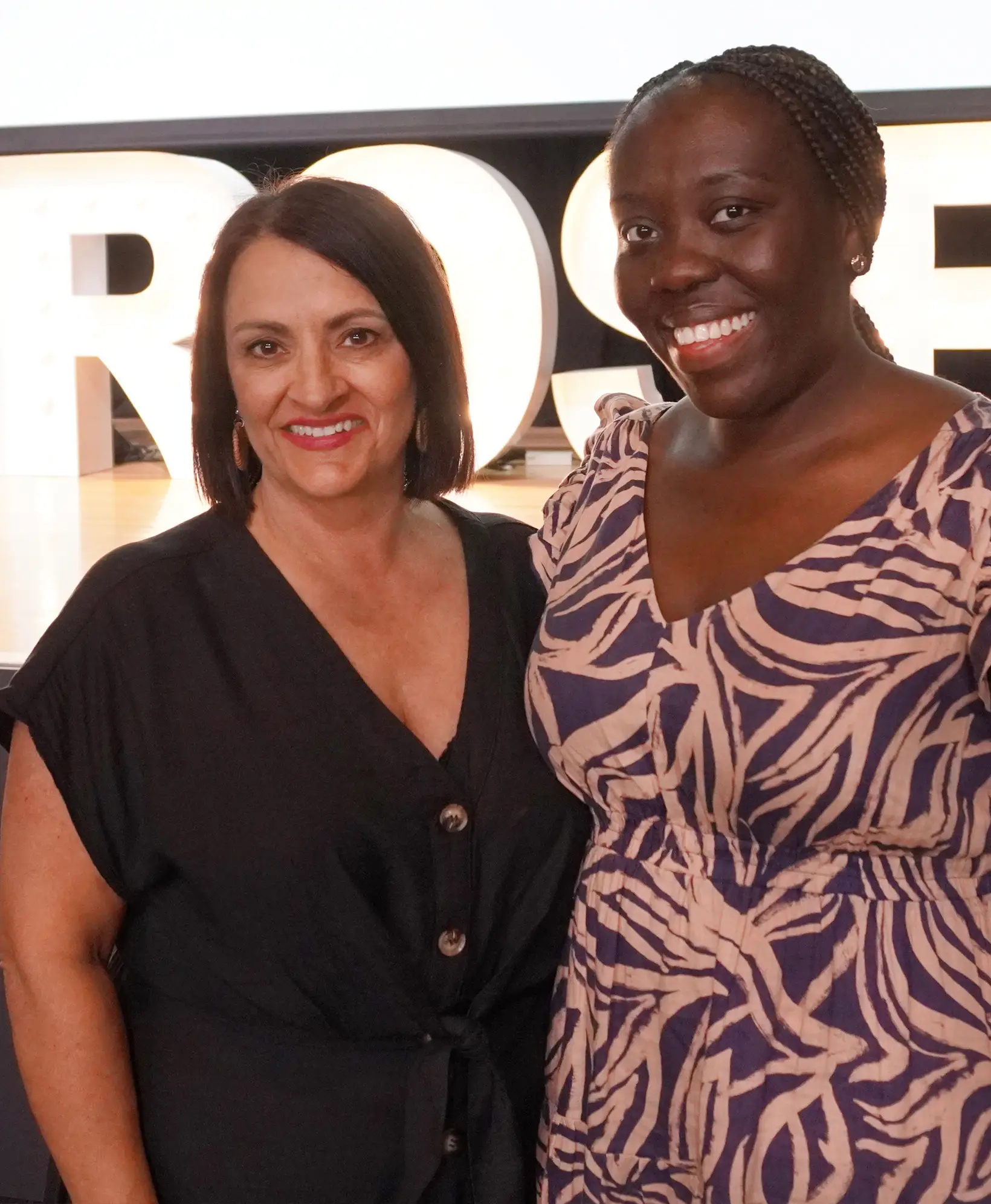
"We are incredibly fortunate to do what we do. We have the privilege of working with children, supporting them, and being a part of their lives. We have the opportunity to make a significant impact on these children's lives, which is a tremendous responsibility," said Mabel Osei, School Age Care Senior Manager.

The Ambrose team is looking forward to the year ahead, with the opportunity to implement these valuable insights into the daily interactions with children and team members.


Are you looking for a workplace where you are respected and encouraged to grow?
Visit www.ambrose.org.au/careers

Work-based Traineeships in Early Learning

Work Based Traineeships in Early Learning Start your early childhood career with us by gaining a Certificate III qualification while working in our preschool services

Career Stories

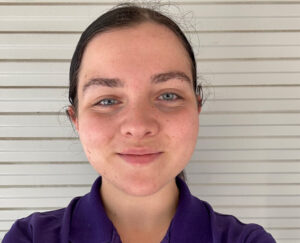
Taylah – Embracing Opportunity and Culture

Taylah uses her passion for education, creativity and cultural awareness to inspire children, strengthen community connections and foster inclusive learning environments.

Faith, Belonging and Community

Grounded in the Catholic faith and open to all, our learning communities welcome families from all backgrounds, cultures and faith traditions.

Guided by the values of Respect, Encouragement and Care, educators support children to:

  • Develop kindness, empathy and gratitude
  • Build respectful relationships
  • Care for others and the environment
  • Develop confidence and a sense of belonging
  • Recognise and value diversity within the community

Faith and spirituality are experienced in age-appropriate and meaningful ways through:

  • Prayer and reflection
  • Stories, celebrations and traditions
  • Shared values and respectful relationships
  • Participation in school and community events
  • Experiences of care, inclusion and belonging

Educators nurture children’s natural sense of curiosity, wonder and connection to the world around them while supporting them to grow as caring, thoughtful and respectful individuals.

As part of a Catholic community, children experience opportunities to build connections with:

  • Educators and families
  • School and parish communities
  • Cultural and community celebrations
  • Shared events and experiences
  • The wider world around them

Transitioning to Kindergarten

At Ambrose, transition to school is viewed as a gradual and supportive journey where children build confidence, familiarity and a sense of belonging before their first day of school.

Throughout the year, educators intentionally support children to develop:

  • Confidence participating in group learning experiences
  • Listening and communication skills
  • Independence and self-help skills
  • Emotional regulation and resilience
  • Attention, persistence and flexible thinking
  • Positive relationships and social confidence
  • Familiarity with routines and transitions


Families are supported throughout the transition process through:

  • Ongoing communication and transition discussions
  • Parent-teacher interviews and learning updates
  • Transition to School Statements
  • Opportunities to connect with educators and school communities

Social and Emotional Development

At Ambrose, children are part of a connected Catholic school community where relationships, belonging and wellbeing are intentionally nurtured every day.

Grounded in the values of respect, encouragement and care, our nurturing learning environments support children to feel:

  • Safe and supported
  • Confident to participate and try new things
  • Connected to others and their community
  • Valued as capable learners
  • A strong sense of identity and belonging


Social and emotional learning is embedded throughout the day through:

  • Collaborative play experiences
  • Group discussions and reflection
  • Intentional teaching moments
  • Problem solving and conflict resolution
  • Structured routines and expectations
  • Prayer, wellbeing and relationship building


Through intentional play-based learning, structured routines and shared experiences, children develop:

  • Confidence and independence
  • Positive relationships and friendships
  • Emotional awareness and self-regulation
  • Resilience
  • Communication and collaboration skills
  • Respect, empathy and kindness

Mathematical Thinking and Inquiry

At Ambrose, mathematical thinking is developed through intentional play-based learning, inquiry, investigation and hands-on learning experiences that encourage children to explore, question and problem solve.

The Ambrose Foundations program supports children’s learning about mathematical concepts and applying them in their play and inquiries including STEAM experiences, construction, investigation and collaborative learning.

Children become familiar with:

  • Patterns and predictions
  • Shapes and spatial thinking
  • Measurement and data
  • Quantity and counting


Teachers intentionally plan for children’s Mathematical Inquiry and thinking, supporting children to develop:

  • Early number awareness
  • Problem solving and critical thinking
  • Pattern recognition
  • Spatial awareness
  • Reasoning and prediction skills
  • Confidence exploring mathematical concepts
  • Curiosity and inquiry skills

Language and Literacy

Strong literacy foundations begin with language, communication and connection. Children develop literacy skills through meaningful, hands-on experiences that connect learning to their everyday lives, interests and the natural world.

As part of the Catholic school community, Ambrose supports literacy development through a seamless continuum of learning from early childhood into kindergarten and the early years of school.

Through intentional play-based learning and literacy experiences, children build the confidence, communication skills and early learning foundations that support a successful transition into school.

  • This approach fosters the development of:
  • Oral language and communication skills
  • Vocabulary and comprehension
  • Listening and attention skills
  • Confidence participating in group discussions
  • Early literacy understanding
  • Phonological awareness
  • Curiosity about books, stories and language