Ambrose Early Learning St Luke’s Marsden Park is a purpose-built preschool with state-of-the-art facilities where children begin their educational journey at St Luke’s Catholic College.
We provide quality early learning for children in school years 3 to 5 that:
• is founded on Catholic values and traditions
• engages children in experiences that promote their desire for learning
• encourages younger children’s curiosity and the skills to explore and investigate
• promotes the development of positive relationships
• is supported by a safe, nurturing and home-like learning environment.
We are proud to provide the best quality early learning start for children – with higher staff to child ratio and a higher level of staff qualifications than the standard staffing requirements.
Experienced and passionate educators inspire and guide your child through a learning journey of self-discovery, social cohesion and life readiness.
We support your child’s ideas, experiences, and understandings in a learning environment that values play.
Ambrose Early Learning delivers a high-quality educational experience through our Ambrose Foundations Pre-Kindergarten Program, a two-year program designed for children aged 3–5 years.
This program:
Strong literacy foundations begin with language, communication and connection. Children develop literacy skills through meaningful, hands-on experiences that connect learning to their everyday lives, interests and the natural world.
As part of the Catholic school community, Ambrose supports literacy development through a seamless continuum of learning from early childhood into kindergarten and the early years of school.
Through intentional play-based learning and literacy experiences, children build the confidence, communication skills and early learning foundations that support a successful transition into school.
This approach fosters the development of:
At Ambrose, mathematical thinking is developed through intentional play-based learning, inquiry, investigation and hands-on learning experiences that encourage children to explore, question and problem solve.
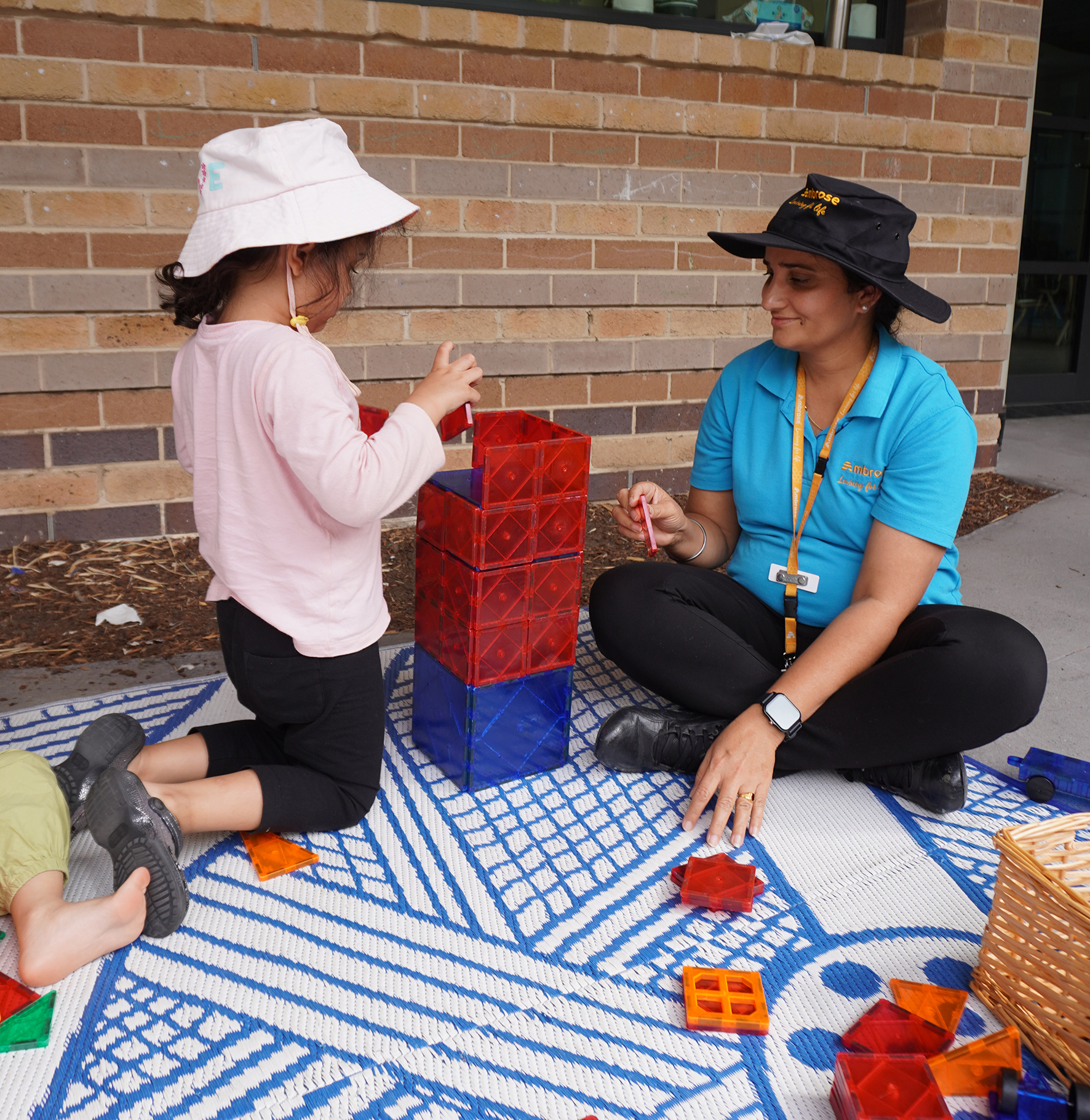
The Ambrose Foundations program supports children’s learning about mathematical concepts and applying them in their play and inquiries including STEAM experiences, construction, investigation and collaborative learning.
Children become familiar with:
Teachers intentionally plan for children’s Mathematical Inquiry and thinking, supporting children to develop:
At Ambrose, children are part of a connected Catholic school community where relationships, belonging and wellbeing are intentionally nurtured every day.
Grounded in the values of respect, encouragement and care, our nurturing learning environments support children to feel:
Social and emotional learning is embedded throughout the day through:
Through intentional play-based learning, structured routines and shared experiences, children develop:
At Ambrose, transition to school is viewed as a gradual and supportive journey where children build confidence, familiarity and a sense of belonging before their first day of school.
Throughout the year, educators intentionally support children to develop:
Families are supported throughout the transition process through:
Grounded in the Catholic faith and open to all, our learning communities welcome families from all backgrounds, cultures and faith traditions.
Guided by the values of Respect, Encouragement and Care, educators support children to:
Faith and spirituality are experienced in age-appropriate and meaningful ways through:
Educators nurture children’s natural sense of curiosity, wonder and connection to the world around them while supporting them to grow as caring, thoughtful and respectful individuals.
As part of a Catholic community, children experience opportunities to build connections with:
Strong literacy foundations begin with language, communication and connection. Children develop literacy skills through meaningful, hands-on experiences that connect learning to their everyday lives, interests and the natural world.
As part of the Catholic school community, Ambrose supports literacy development through a seamless continuum of learning from early childhood into kindergarten and the early years of school.
Through intentional play-based learning and literacy experiences, children build the confidence, communication skills and early learning foundations that support a successful transition into school.
This approach fosters the development of:
At Ambrose, mathematical thinking is developed through intentional play-based learning, inquiry, investigation and hands-on learning experiences that encourage children to explore, question and problem solve.
The Ambrose Foundations program supports children’s learning about mathematical concepts and applying them in their play and inquiries including STEAM experiences, construction, investigation and collaborative learning.
Children become familiar with:
Teachers intentionally plan for children’s Mathematical Inquiry and thinking, supporting children to develop:
At Ambrose, children are part of a connected Catholic school community where relationships, belonging and wellbeing are intentionally nurtured every day.
Grounded in the values of respect, encouragement and care, our nurturing learning environments support children to feel:
Social and emotional learning is embedded throughout the day through:
Through intentional play-based learning, structured routines and shared experiences, children develop:
At Ambrose, transition to school is viewed as a gradual and supportive journey where children build confidence, familiarity and a sense of belonging before their first day of school.
Throughout the year, educators intentionally support children to develop:
Families are supported throughout the transition process through:
Grounded in the Catholic faith and open to all, our learning communities welcome families from all backgrounds, cultures and faith traditions.
Guided by the values of Respect, Encouragement and Care, educators support children to:
Faith and spirituality are experienced in age-appropriate and meaningful ways through:
Educators nurture children’s natural sense of curiosity, wonder and connection to the world around them while supporting them to grow as caring, thoughtful and respectful individuals.
As part of a Catholic community, children experience opportunities to build connections with:
Strong literacy foundations begin with language, communication and connection. Children develop literacy skills through meaningful, hands-on experiences that connect learning to their everyday lives, interests and the natural world.
As part of the Catholic school community, Ambrose supports literacy development through a seamless continuum of learning from early childhood into kindergarten and the early years of school.
Through intentional play-based learning and literacy experiences, children build the confidence, communication skills and early learning foundations that support a successful transition into school.
At Ambrose, mathematical thinking is developed through intentional play-based learning, inquiry, investigation and hands-on learning experiences that encourage children to explore, question and problem solve.
The Ambrose Foundations program supports children’s learning about mathematical concepts and applying them in their play and inquiries including STEAM experiences, construction, investigation and collaborative learning.
Children become familiar with:
Teachers intentionally plan for children’s Mathematical Inquiry and thinking, supporting children to develop:
At Ambrose, children are part of a connected Catholic school community where relationships, belonging and wellbeing are intentionally nurtured every day.
Grounded in the values of respect, encouragement and care, our nurturing learning environments support children to feel:
Social and emotional learning is embedded throughout the day through:
Through intentional play-based learning, structured routines and shared experiences, children develop:
At Ambrose, transition to school is viewed as a gradual and supportive journey where children build confidence, familiarity and a sense of belonging before their first day of school.
Throughout the year, educators intentionally support children to develop:
Families are supported throughout the transition process through:
Grounded in the Catholic faith and open to all, our learning communities welcome families from all backgrounds, cultures and faith traditions.
Guided by the values of Respect, Encouragement and Care, educators support children to:
Faith and spirituality are experienced in age-appropriate and meaningful ways through:
Educators nurture children’s natural sense of curiosity, wonder and connection to the world around them while supporting them to grow as caring, thoughtful and respectful individuals.
As part of a Catholic community, children experience opportunities to build connections with:
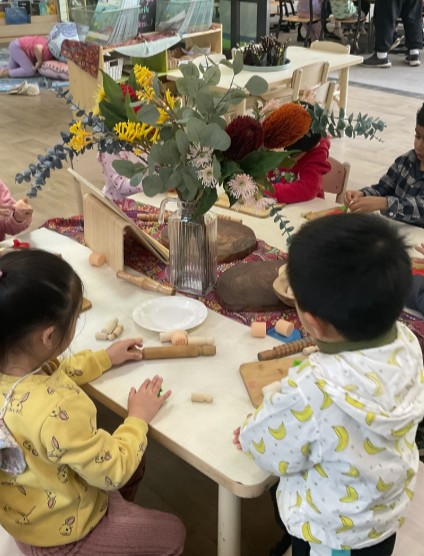
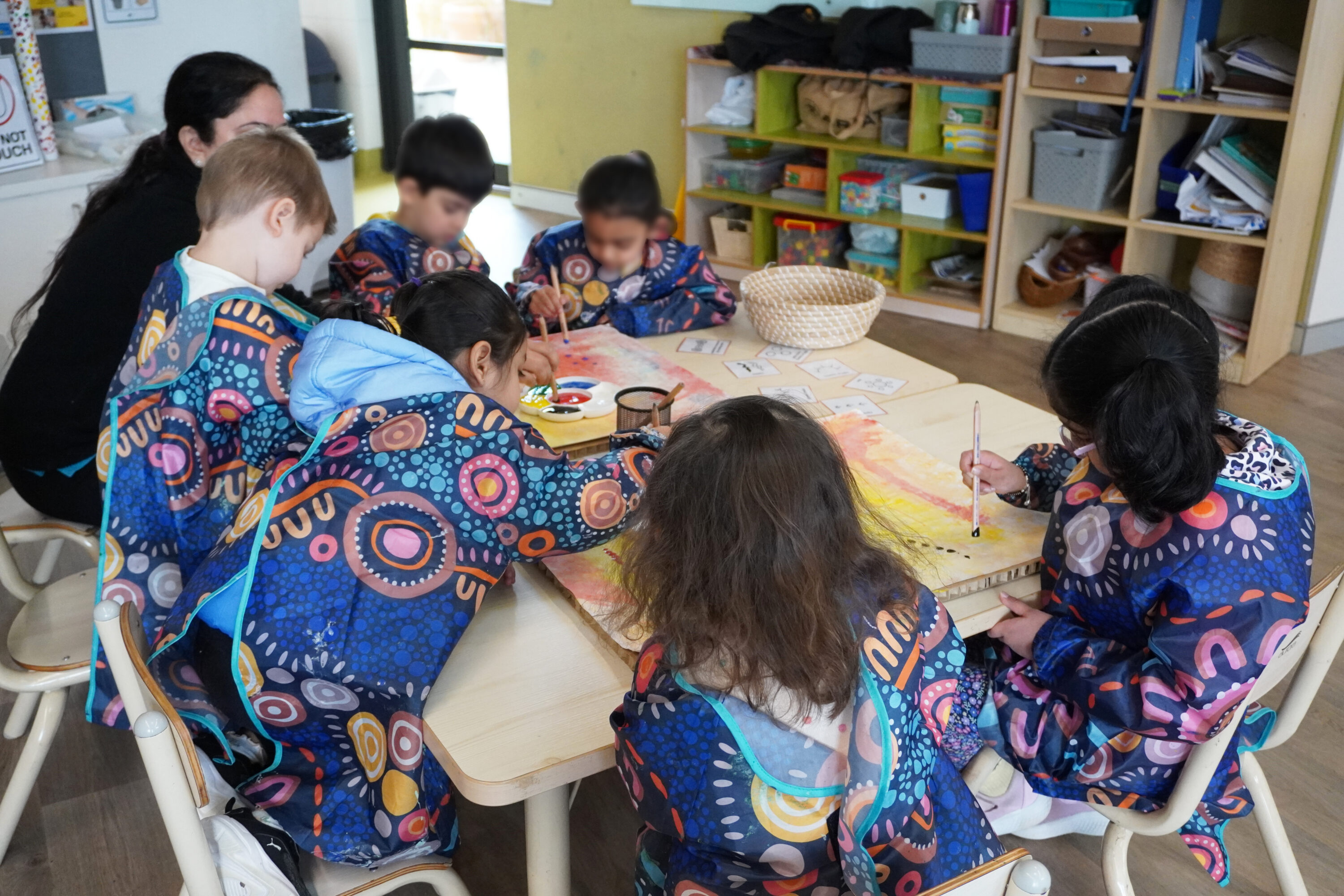
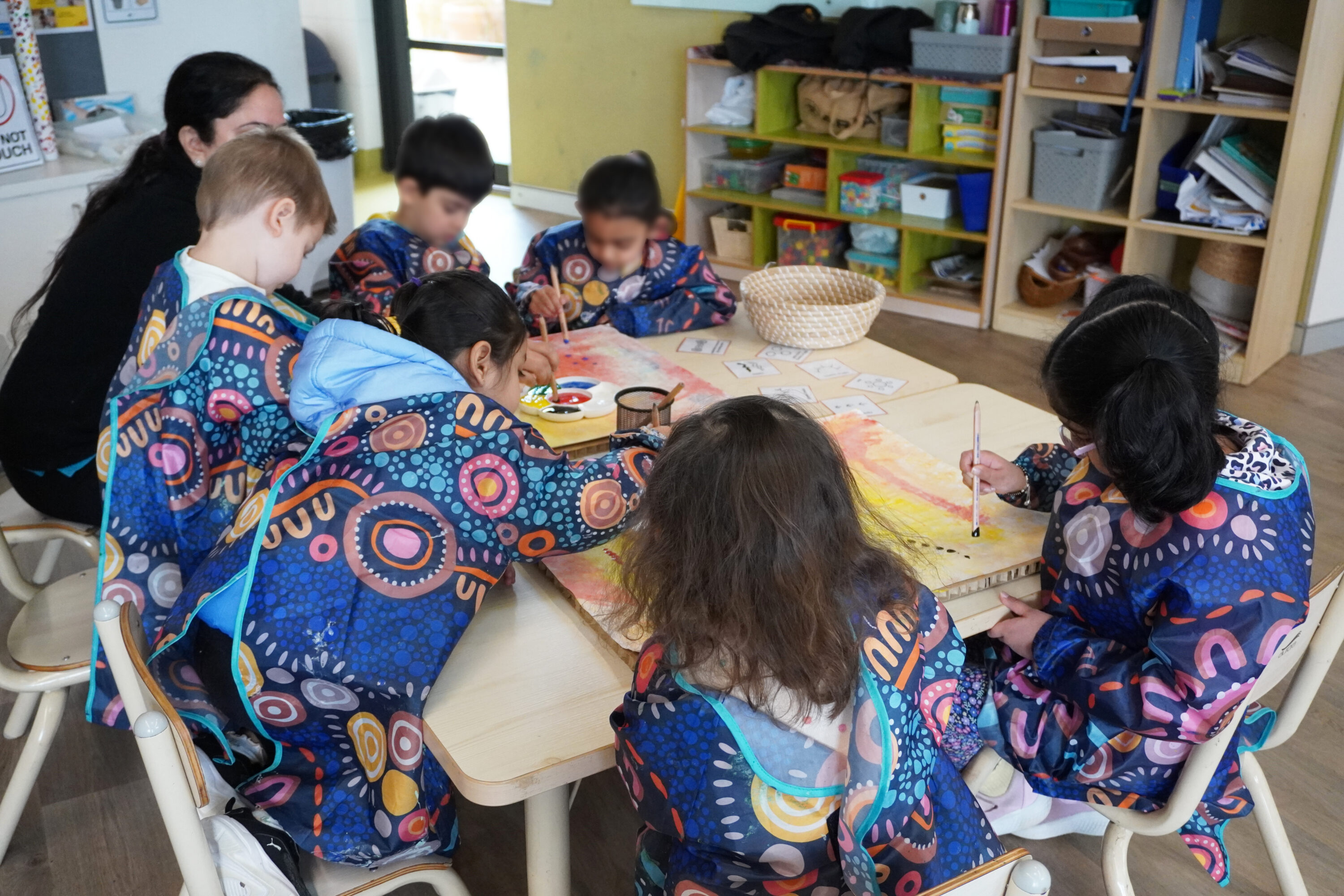
As part of our ongoing commitment to embedding Aboriginal and Torres Strait Islander perspectives, children are provided with opportunities to learn about Aboriginal stories, symbols, and cultural traditions.
Through hands-on experiences, children explore a range of Aboriginal resources and investigate the meanings behind traditional symbols and signs. Children have engaged in creative experiences, using clay and playdough to stamp and recreate Aboriginal-inspired symbols and patterns.
These activities encouraged curiosity, creativity, and respect for Australia’s First Nations cultures while supporting children’s understanding of the rich histories and traditions of Aboriginal peoples.
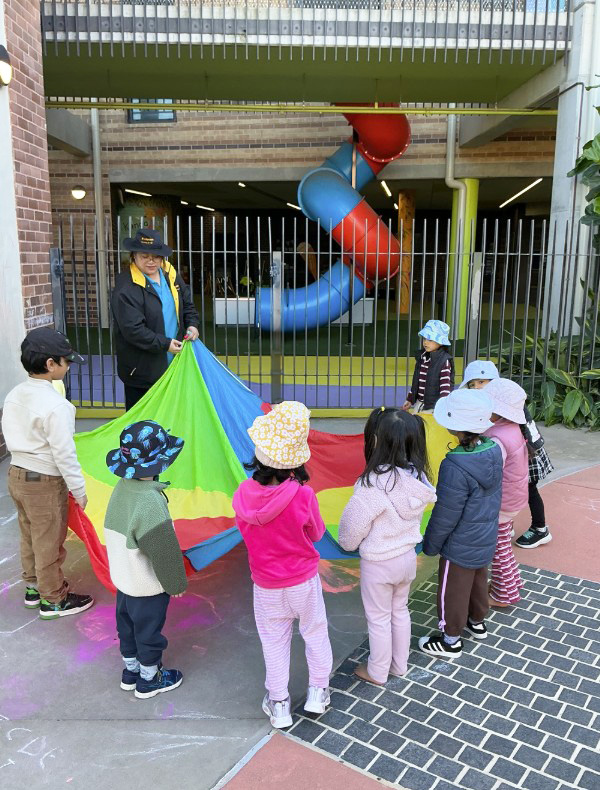
As part of our commitment to children’s wellbeing and learning, we have introduced a Sensory Support Project that incorporates movement, sensory experiences, and breathing practices into daily routines.
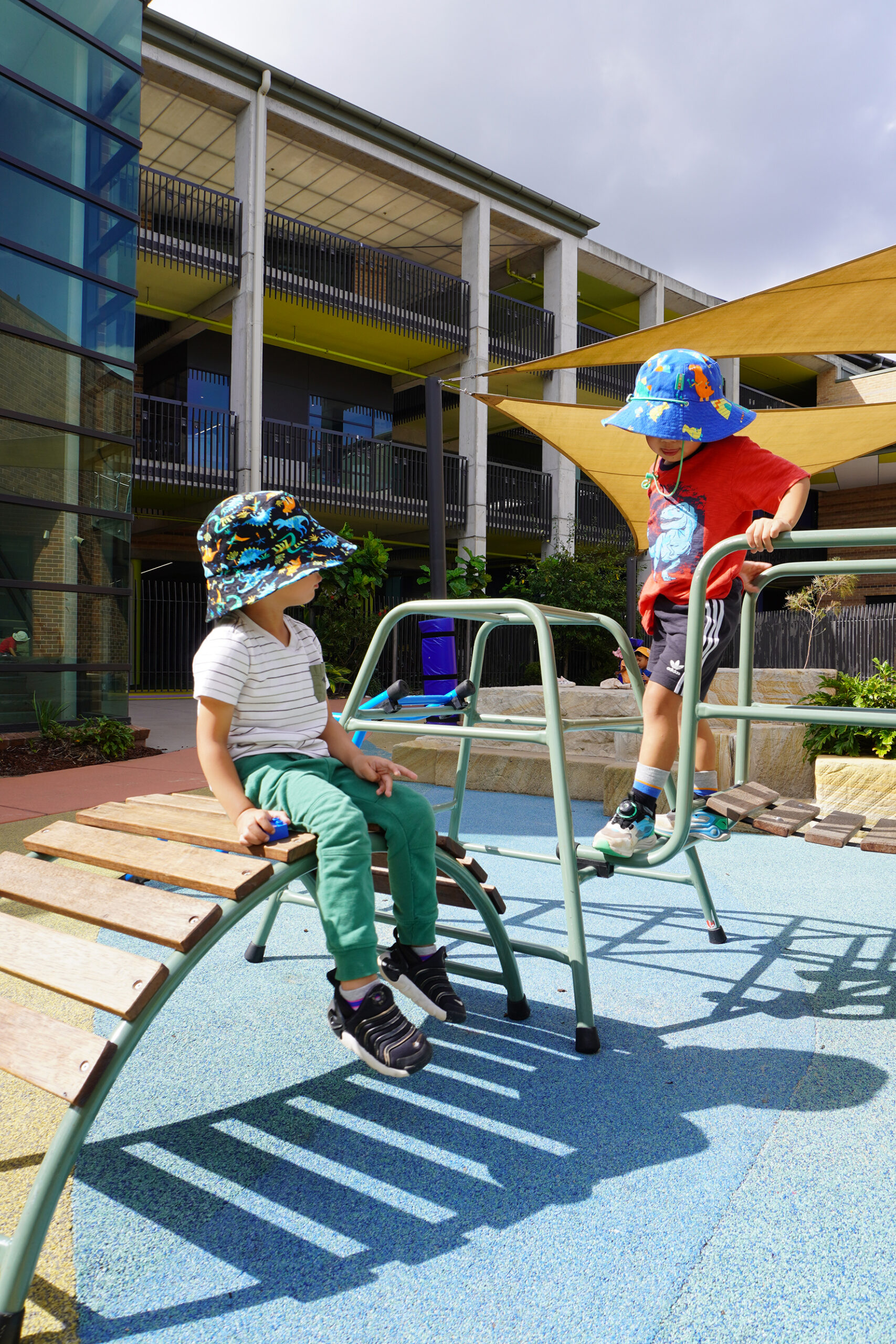
A key focus is developing proprioception, the body’s awareness of movement and position, which supports coordination, balance, concentration, confidence, and emotional regulation. Children participate in activities such as climbing, crawling, jumping, carrying equipment, and pushing or pulling tasks to help them feel calm, organised, and ready to learn.
Educators also use simple breathing strategies, including “smell the flower, blow the candle” and balloon breathing, to support emotional regulation, focus, and self-regulation.
Since implementing the project, educators have observed increased engagement, smoother transitions, improved emotional regulation, and greater participation in group experiences. By embedding sensory opportunities throughout the day, we are creating an environment where all children can thrive and develop skills for lifelong learning and wellbeing.
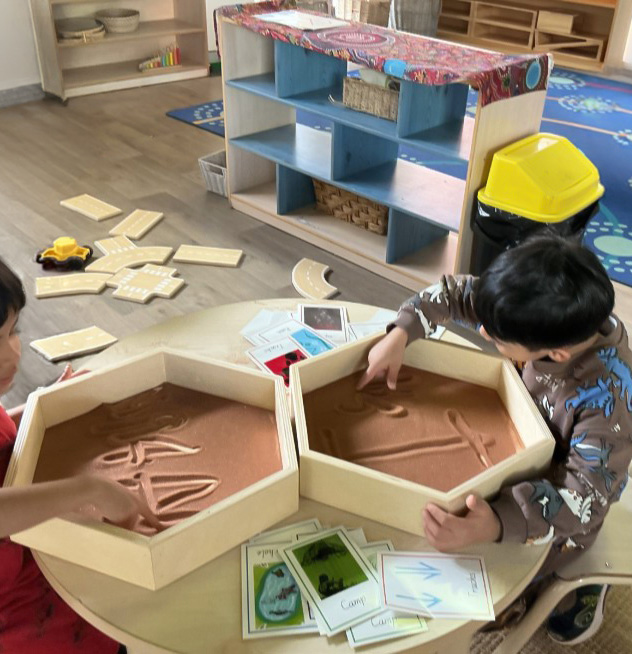
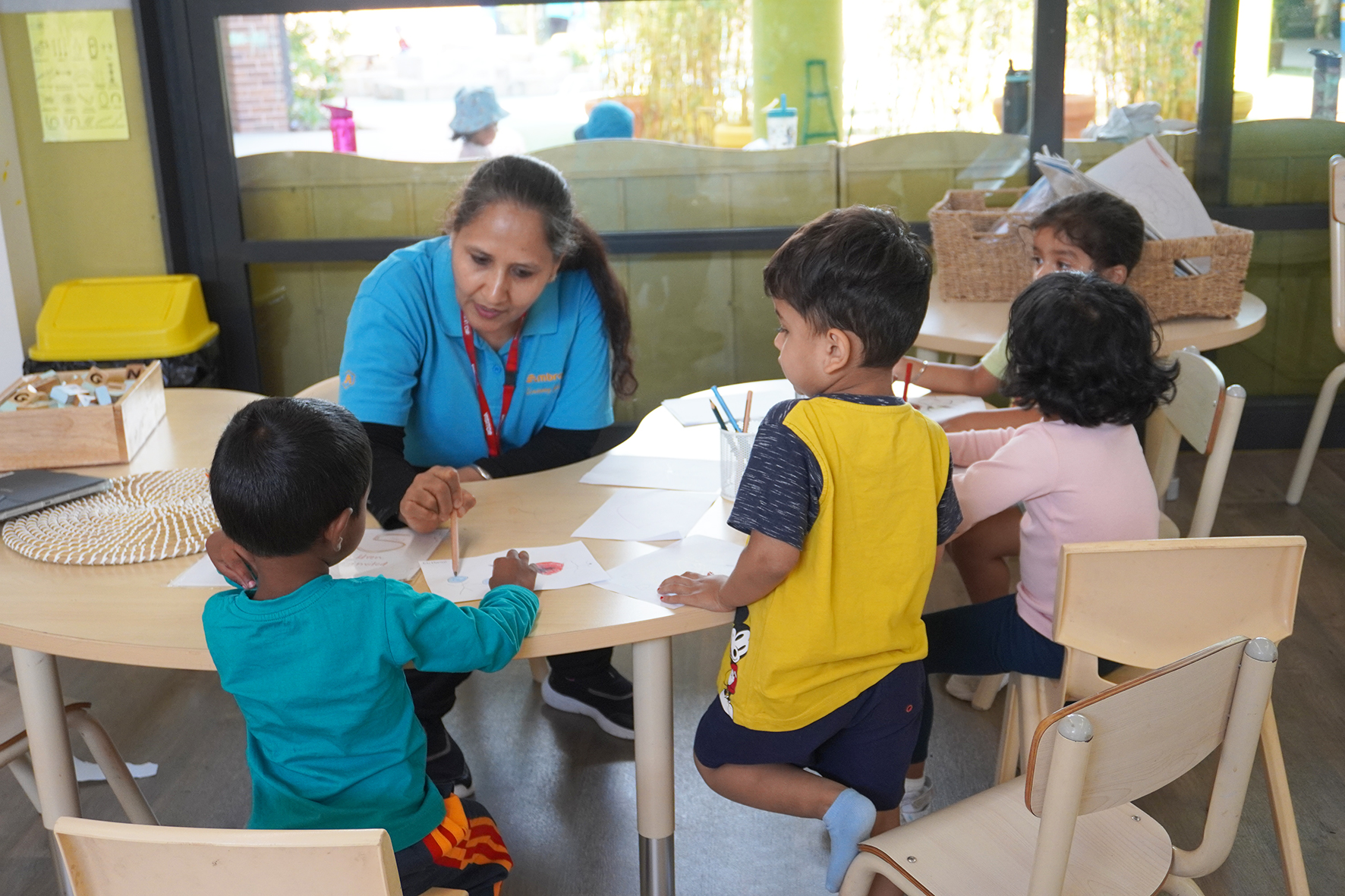
Children explore pre-writing shapes through a range of fun and engaging learning experiences.
As they trace, copy, and create different shapes, children strengthen their fine motor skills, hand-eye coordination, pencil control, and concentration, all of which support early writing development.
These experiences also help children build the foundational skills needed for future letter formation and written communication. As children recognise, compare, and discuss different shapes, they further develop their mathematical thinking and early numeracy skills in a meaningful and hands-on way.
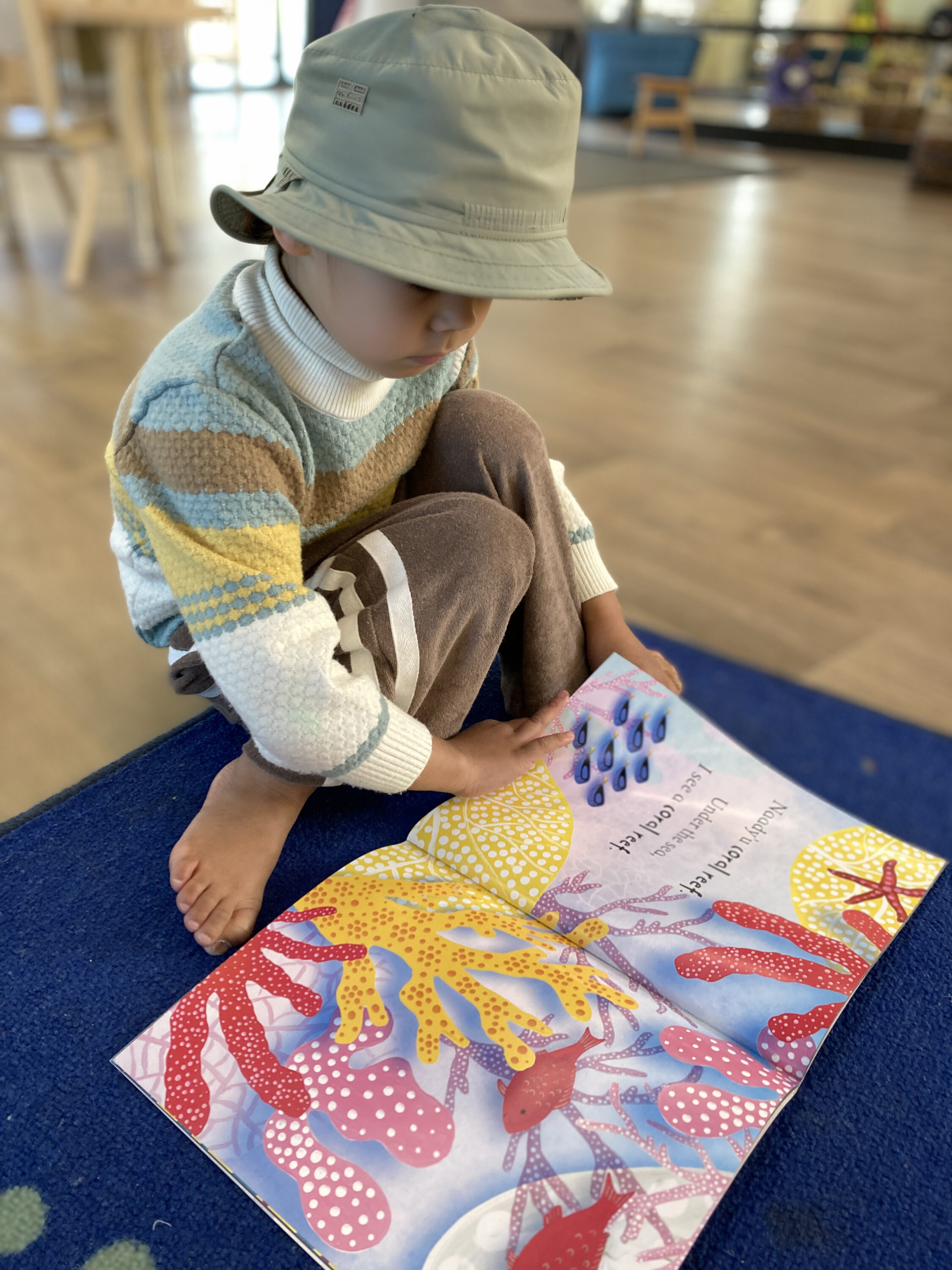
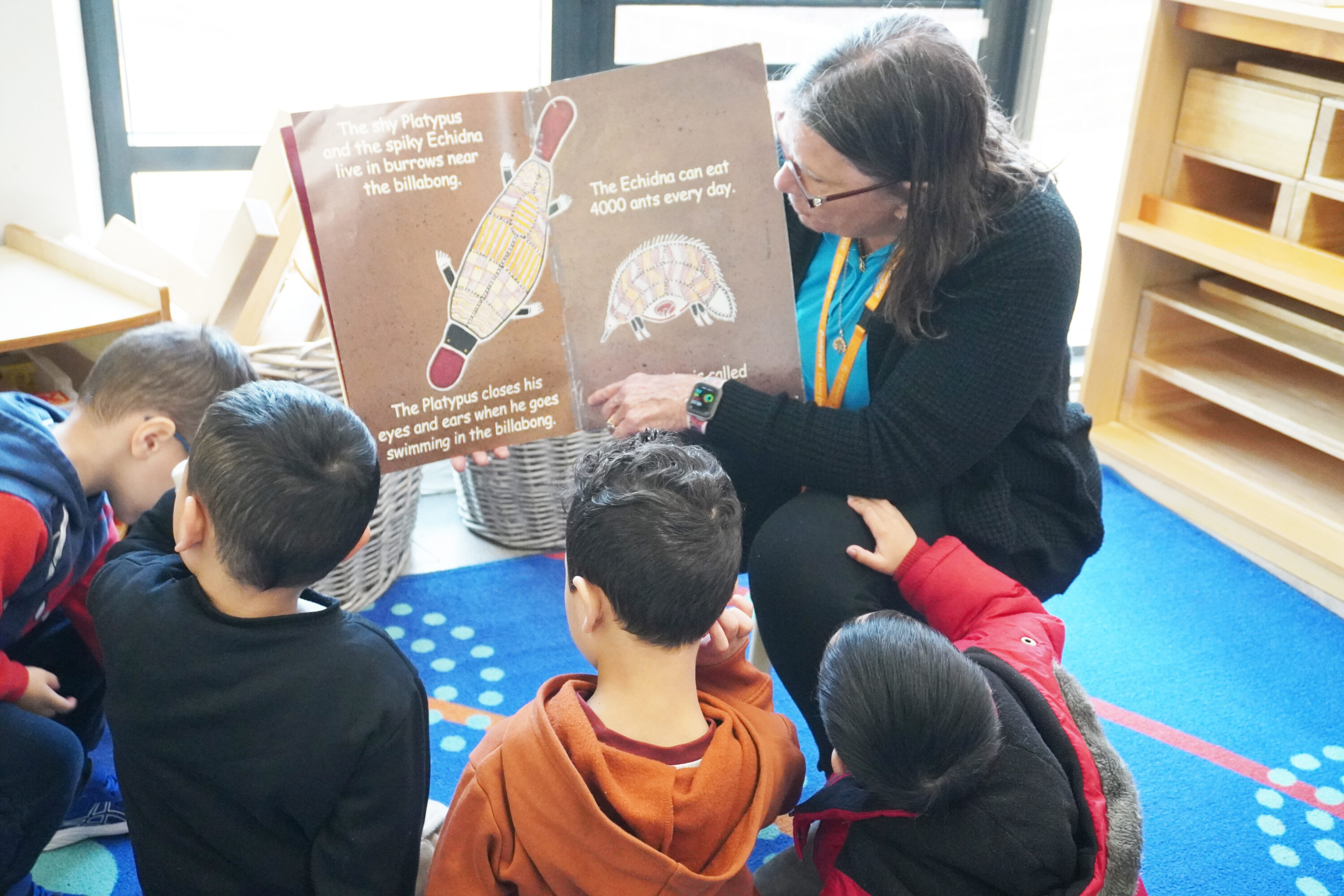
Children have been on an exciting learning journey exploring ocean animals through stories, discussions, sensory experiences, and creative play.
They spent time investigating a variety of sea creatures, including fish, turtles, dolphins, sharks, octopuses, and whales, while developing their understanding of the natural world.
Children demonstrated curiosity by asking questions about where ocean animals live, what they eat, and how they move. They confidently shared their own knowledge and experiences, extending conversations and deepening their understanding through meaningful interactions with peers and educators.
To build on the children’s interests, we introduced a Sea Animal Learning Space featuring books, small-world sea creatures, puzzles, and loose parts. This engaging environment encouraged imaginative play, storytelling, exploration, and collaboration. Children revisited previous learning while making new discoveries through hands-on experiences, fostering creativity, curiosity, and a love of learning.
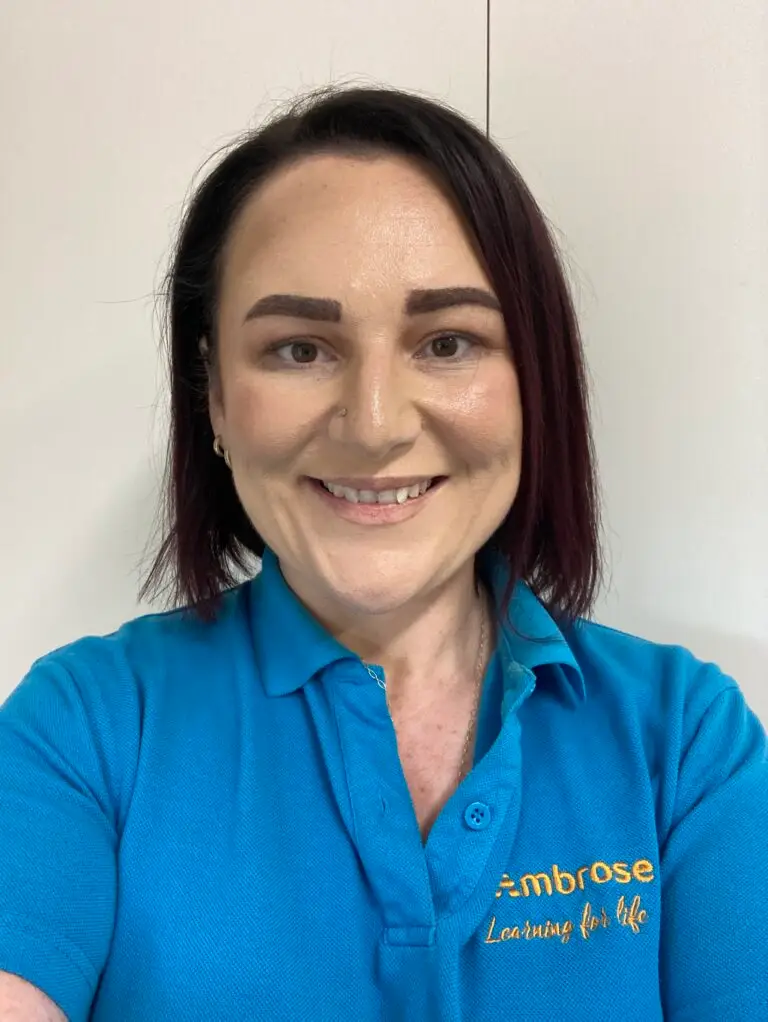
With over 20 years of experience in Early Education and Care, I am passionate about supporting children, families, and educators to thrive. My professional strengths lie in brain development, attachment theory, emotional regulation, and building strong, trusting relationships that create the foundation for learning. Guided by the principles of the Early Years Learning Framework, I believe that play is the vehicle for learning and that high-quality early learning experiences in the years before school are critical in laying the foundations for children’s lifelong learning, wellbeing, identity, and sense of belonging. I am a strong advocate for children’s rights and am guided by the philosophy that “everyone gets what they need to be successful, not everyone gets the same.” I am committed to creating inclusive, nurturing environments where every child feels safe, valued, connected, and empowered to reach their full potential.
Located conveniently within the grounds of St Luke’s Catholic College, our preschool children benefit from early introductions to school life through experiences such as library visits, meeting kindergarten teachers, and participating in school events. These opportunities support a smooth transition into kindergarten, fostering continuity, connection, and a strong sense of belonging for children, families, and staff.
St Luke’s Catholic College is an exciting and thriving preschool to post school learning community which is designing a new normal for learners aged 3 to 18 years of age. In a place where ‘Learning = Infinite Possibilities’, staff and parents work in partnership to nurture faith-filled, curious children to become creative contributors and innovative problem solvers for our changing world.
More information: St Luke’s Catholic College
“Students coming from Ambrose demonstrate a better preparation for learning, routines, and social engagement than their peers who did not engage in any formal learning prior to kindergarten.”
Kelly Bauer – Principal

We love preparing and serving nutritious, delicious meals for children. Our on‑site cook follows the Australian Healthy Eating Guidelines to ensure all meals meet children’s dietary needs. We thoughtfully plan a rotating four‑week menu that supports healthy growth and development.
We also work closely with families to understand each child’s specific dietary needs, allergies, and medical conditions, creating plans to ensure every child’s safety and wellbeing.

We value open communication with families, as it strengthens the support we provide for each child’s growth. Your knowledge of your child is essential, and we aim to build a partnership that fosters a sense of belonging for you and your child. We keep families informed and connected through regular updates via Xplor CCMS, Xplor Playground, newsletters, emails, and phone calls. Throughout the year, families are also invited to join events, share their skills, and contribute to the program, helping ensure each child receives the best possible care.
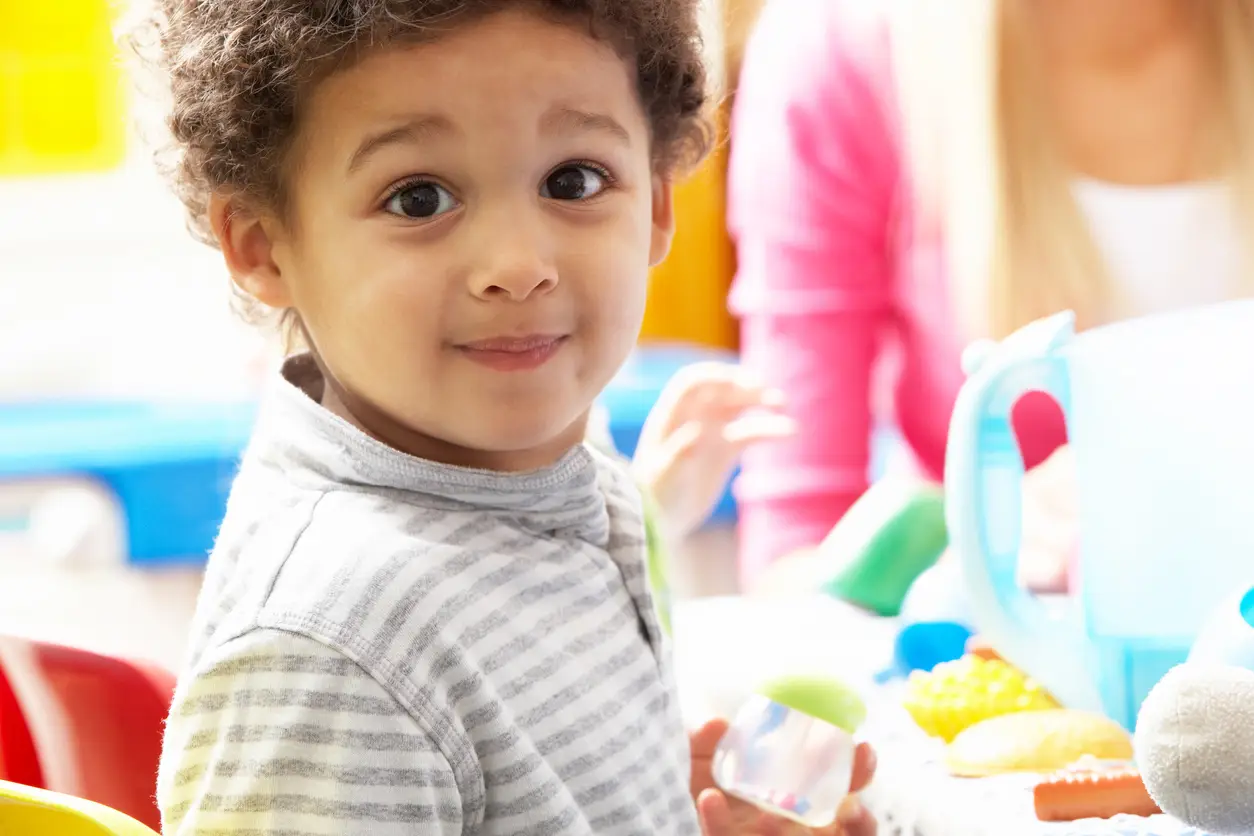
We are committed to providing the best possible support for every child. To support children’s access to our programs, our service works in partnership with families and allied health professional to develop individual education programs for our children. Support may also be available through the Inclusion Support Program (ISP) which provides funding to address inclusion barriers and specialist equipment where required.
We embrace and celebrate the diversity that exists within and between our communities. By respecting diversity, children are supported to create positive relationships and a strong sense of identity. We invite our families to share their culture, experiences, and unique needs so all children feel safe, included, and confident to participate.
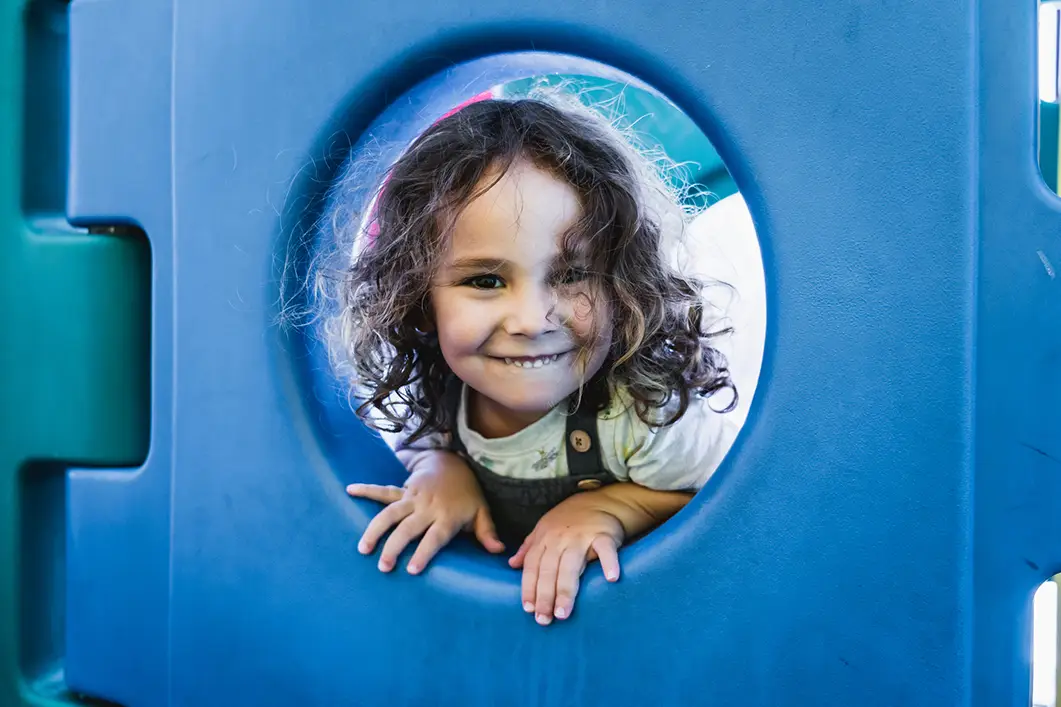
We are committed to upholding the Child Safe Standards to ensure every child feels safe, valued, and empowered. Our practices place children’s wellbeing at the centre of all decisions, and we actively work to create an environment where their voices are heard and respected. By fostering strong, transparent relationships with families and embedding child‑safe principles in our daily work, we strive to maintain a learning community where children are protected, supported, and able to thrive.
Use our CCS calculator to estimate your out‑of‑pocket costs.
The Child Care Subsidy (CCS) can reduce your daily out-of-pocket costs by up to 95% depending on your family’s entitlements.
Important: This calculator is provided as a guide only and is dependent on the accuracy of information entered. The actual Child Care Subsidy you receive may differ. All calculations incorporate the Federal Government’s 5% withholding amount. Changes in entitlements can occur between estimation and commencement of care. Subsidy is subject to State and Federal Government specific requirements. Fees may reduce further after Start Strong Fee Relief is applied. For the most accurate estimate, visit myGov or contact your local Family Assistance Office.
Grounded in the Catholic faith and open to all, our learning communities welcome families from all backgrounds, cultures and faith traditions.
Guided by the values of Respect, Encouragement and Care, educators support children to:
Faith and spirituality are experienced in age-appropriate and meaningful ways through:
Educators nurture children’s natural sense of curiosity, wonder and connection to the world around them while supporting them to grow as caring, thoughtful and respectful individuals.
As part of a Catholic community, children experience opportunities to build connections with:
At Ambrose, transition to school is viewed as a gradual and supportive journey where children build confidence, familiarity and a sense of belonging before their first day of school.
Throughout the year, educators intentionally support children to develop:
Families are supported throughout the transition process through:
At Ambrose, children are part of a connected Catholic school community where relationships, belonging and wellbeing are intentionally nurtured every day.
Grounded in the values of respect, encouragement and care, our nurturing learning environments support children to feel:
Social and emotional learning is embedded throughout the day through:
Through intentional play-based learning, structured routines and shared experiences, children develop:
At Ambrose, mathematical thinking is developed through intentional play-based learning, inquiry, investigation and hands-on learning experiences that encourage children to explore, question and problem solve.
The Ambrose Foundations program supports children’s learning about mathematical concepts and applying them in their play and inquiries including STEAM experiences, construction, investigation and collaborative learning.
Children become familiar with:
Teachers intentionally plan for children’s Mathematical Inquiry and thinking, supporting children to develop:
Strong literacy foundations begin with language, communication and connection. Children develop literacy skills through meaningful, hands-on experiences that connect learning to their everyday lives, interests and the natural world.
As part of the Catholic school community, Ambrose supports literacy development through a seamless continuum of learning from early childhood into kindergarten and the early years of school.
Through intentional play-based learning and literacy experiences, children build the confidence, communication skills and early learning foundations that support a successful transition into school.