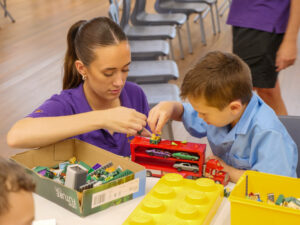
The Early Years Learning Framework

What is the Early Years Learning Framework (EYLF)?

The EYLF, officially named “Belonging, Being & Becoming: The Early Years Learning Framework for Australia,” is a national curriculum framework for early childhood education. It’s designed to ensure quality and consistency in early childhood education programs across all settings.

The EYLF outlines principles, practices, and learning outcomes that enhance young children’s learning and development. It emphasises play-based learning and the importance of communication and language, including early literacy and numeracy, and social and emotional development.

Key Principles of the EYLF

Secure, respectful, and reciprocal relationships: Educators and families work together to support children’s learning and wellbeing.

Partnerships: Recognising families as children’s first and most influential educators.

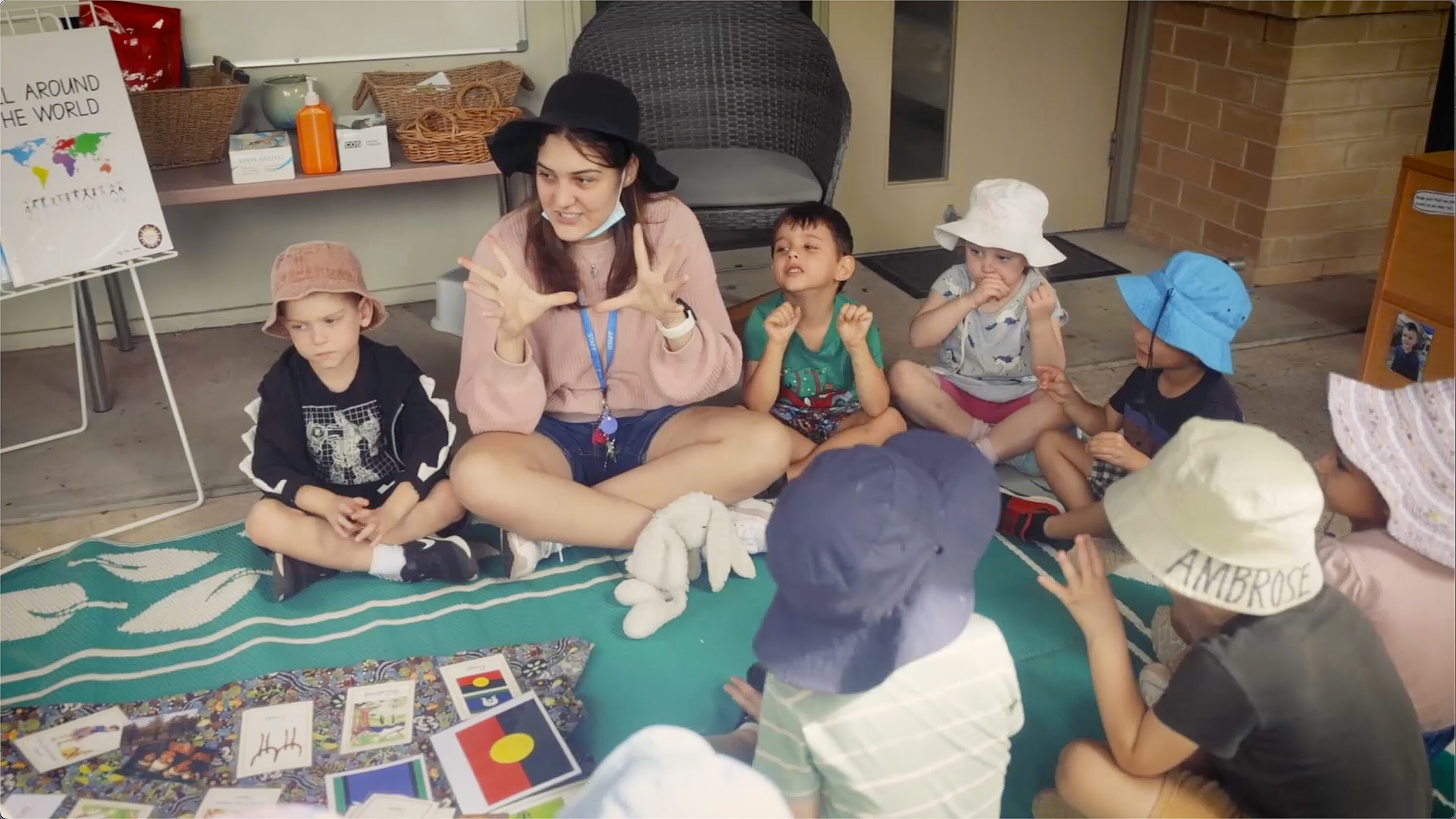
Respect for Diversity: Respecting diversity means valuing and reflecting the practices, values and beliefs of families within the curriculum.

Aboriginal and Torres Strait Islander Perspectives: Educators think deeply and seek assistance where possible, through engaging with Aboriginal and Torres Strait Islander people, about how to embed Aboriginal and Torres Strait Islander perspectives in the philosophy of the setting, their planning and implementation of curriculum.

Equity, Inclusion and High Expectations: Ensuring all children have the opportunity to reach their full potential.

Sustainability: Broadly defined, sustainability spans environmental, social, and economic dimensions which are intertwined.

Critical reflection and ongoing professional learning: Educators continuously improve their practice and reflect on their work. 

Collaborative leadership and teamwork: is built on a sense of shared responsibility and professional accountability for children’s learning, development and well-being.

Exploring Play Through Nature and Movement

Guided by the Early Years Learning Framework, Ambrose Education and Care Services embrace play as a foundation for learning and development. Two key experiences – Nature Play and Physical Development – offer children rich opportunities to explore, discover, and grow.

Through these play-based approaches, children connect with their environment, build essential skills, and develop confidence in their abilities.

NATURE PLAY

Learning Experiences you may see:

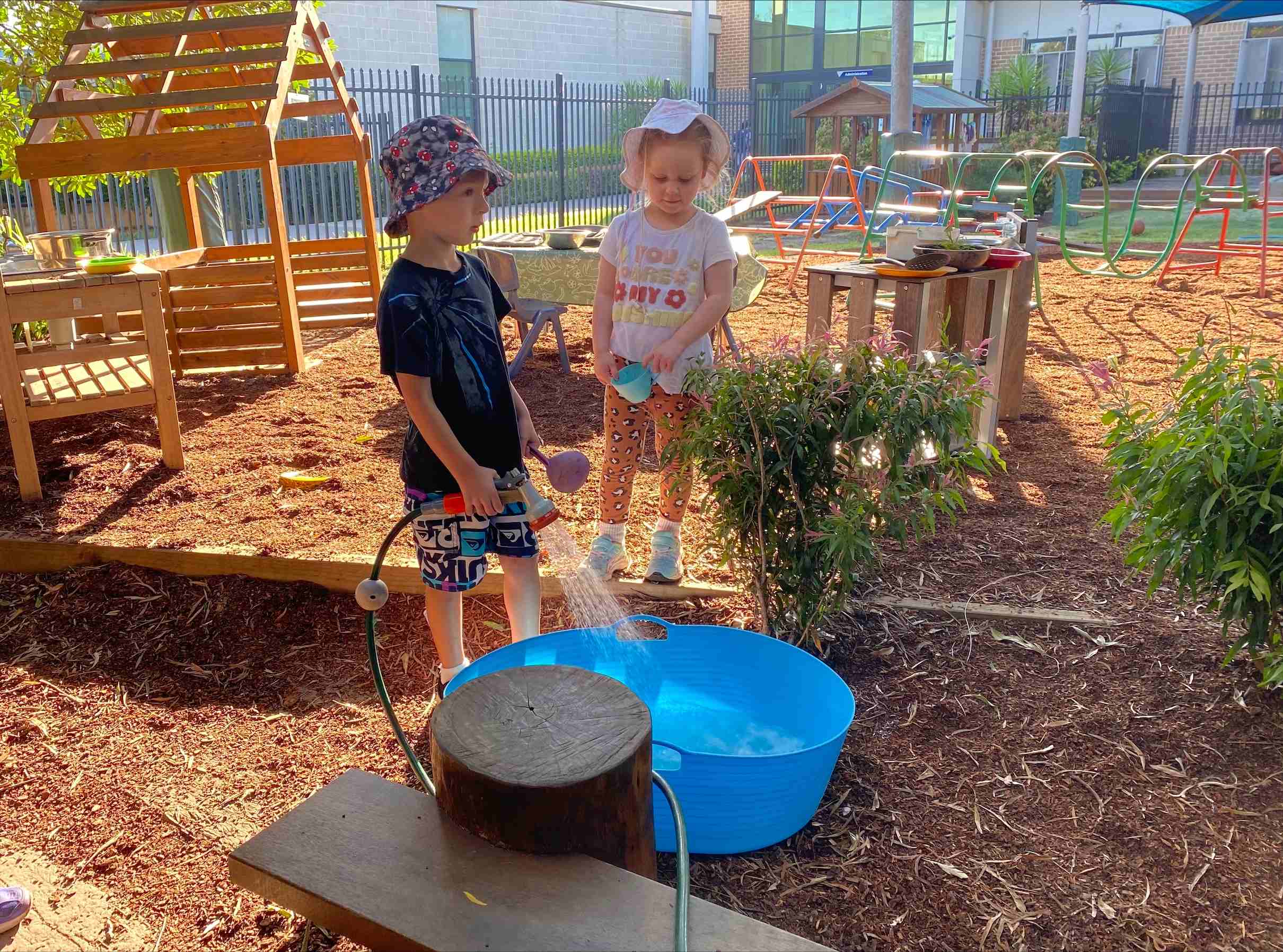
  • Digging and exploring dirt & garden patches
  • Gardening – planting, watering and harvesting
  • Discussions about weather and seasons
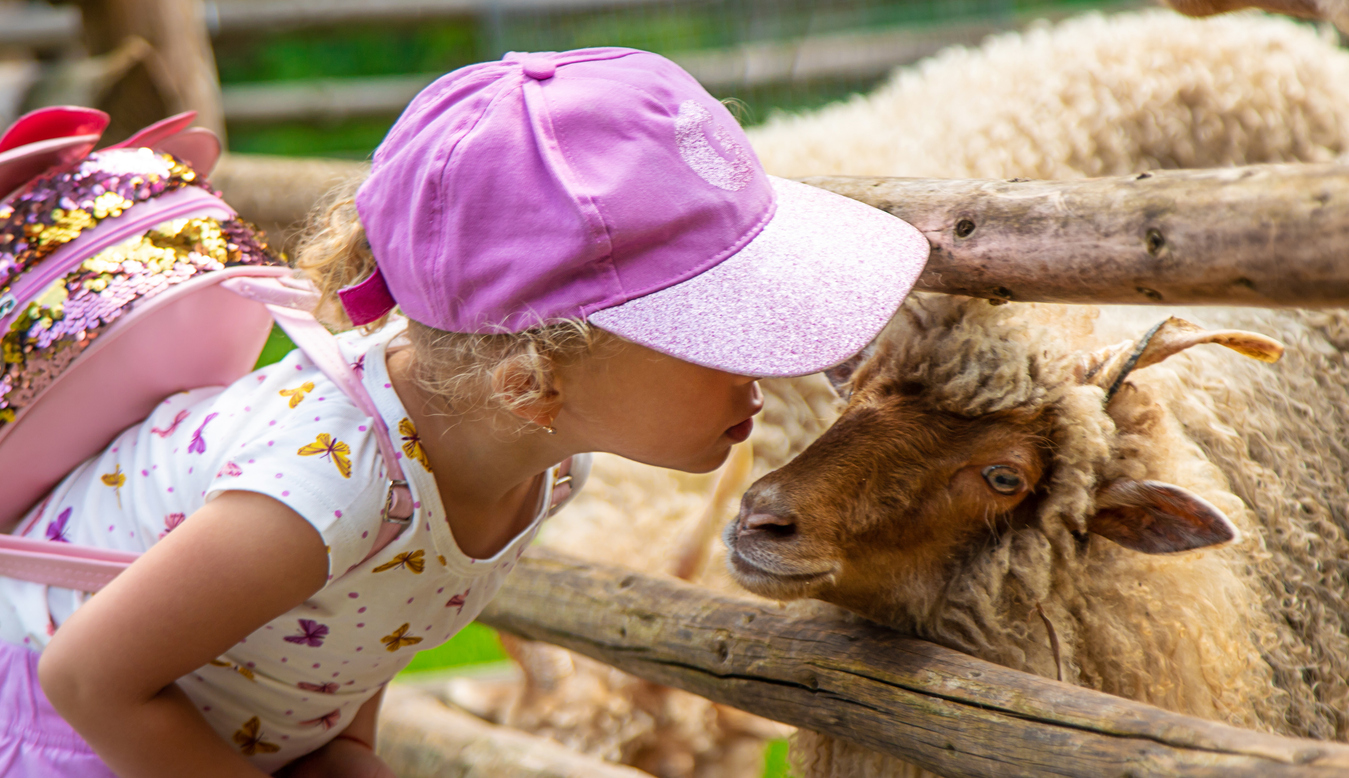
  • Exploring animals from Australia and around the world
  • Exploring living and non-living things
  • Experimenting with water, discussions about its importance
  • Utilisation of tools e.g. gardening tools.
 

Skills that are being developed:

  • Making decisions and taking considered risks
  • Learning to respect and care for the environment
  • Developing scientific concepts and skills by observing, predicting and hypothesising
  • Developing senses (e.g. smell) and understanding how they provide information about the world
  • Learning about the weather, seasons and life cycles
  • Using my imagination to create play experiences
  • Sharing observations and ideas with others
  • Using technology to research terminology
  • Experimenting with cause and effect
  • Collecting and recording data, e.g. growth of plants. 

PHYSICAL DEVELOPMENT

Learning Experiences you may see:

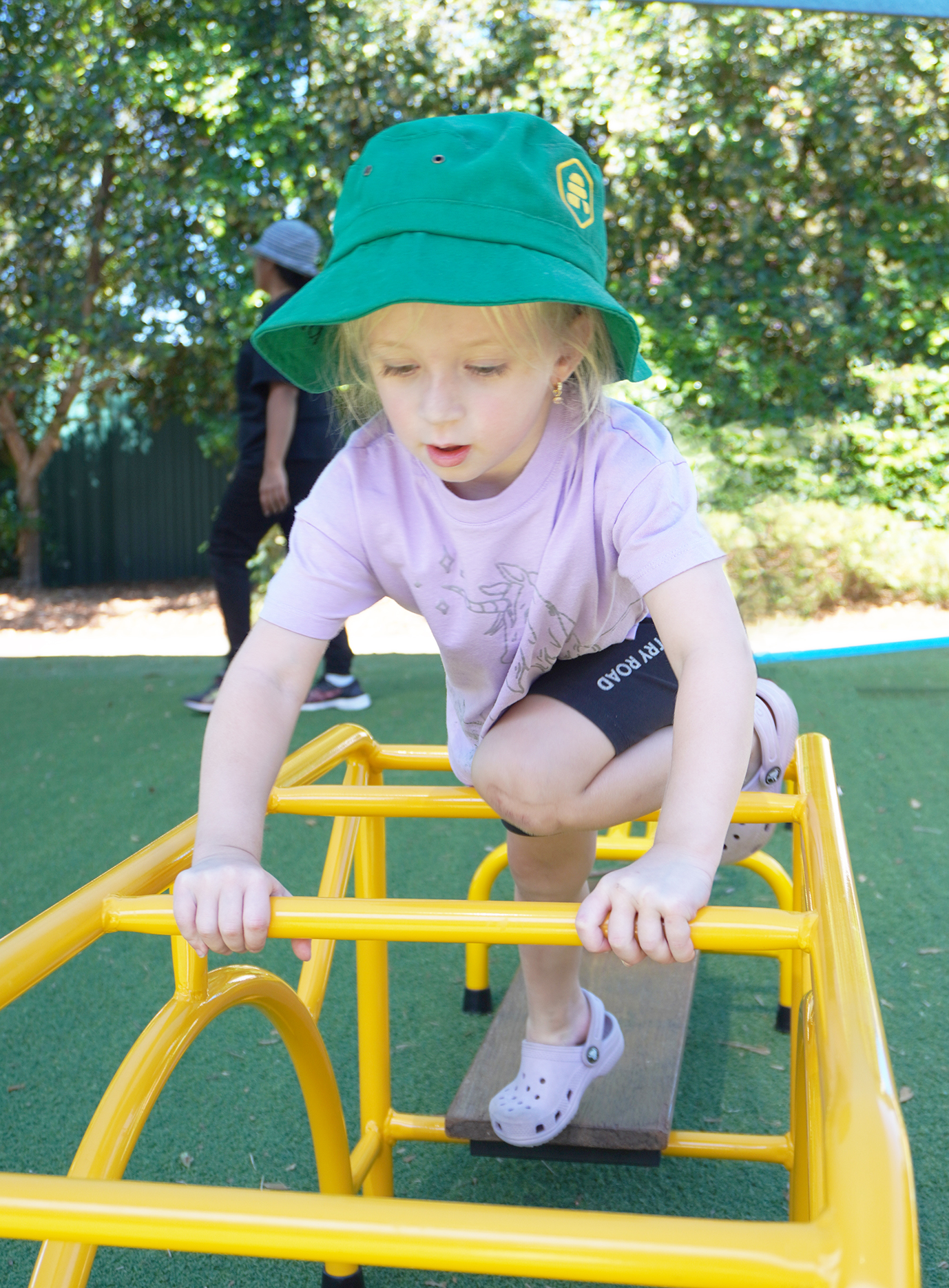
  • Obstacle courses, climbing, crawling, balancing
  • Bike riding
  • Balance beams, climbing frames
  • Excursions to the local park or field
  • Yoga/Stretching/breathing Development of
  • Fundamental Movement skills – jumping, running, crawling, hopping
  • Ball skills – kicking, throwing
  • Games – Duck, Duck, Goose, Bug in a Rug.
 

Skills that are being developed:

  • Balance
  • Coordination
  • Endurance
  • Agility
  • Crossing the midline (builds capacity for writing)
  • Strengthening large muscles
  • Building core-strength
  • Bilateral coordination – the ability to use both sides of the body in a coordinated way (e.g. bike riding)
  • Understanding of safety, risks and making choices for safe play
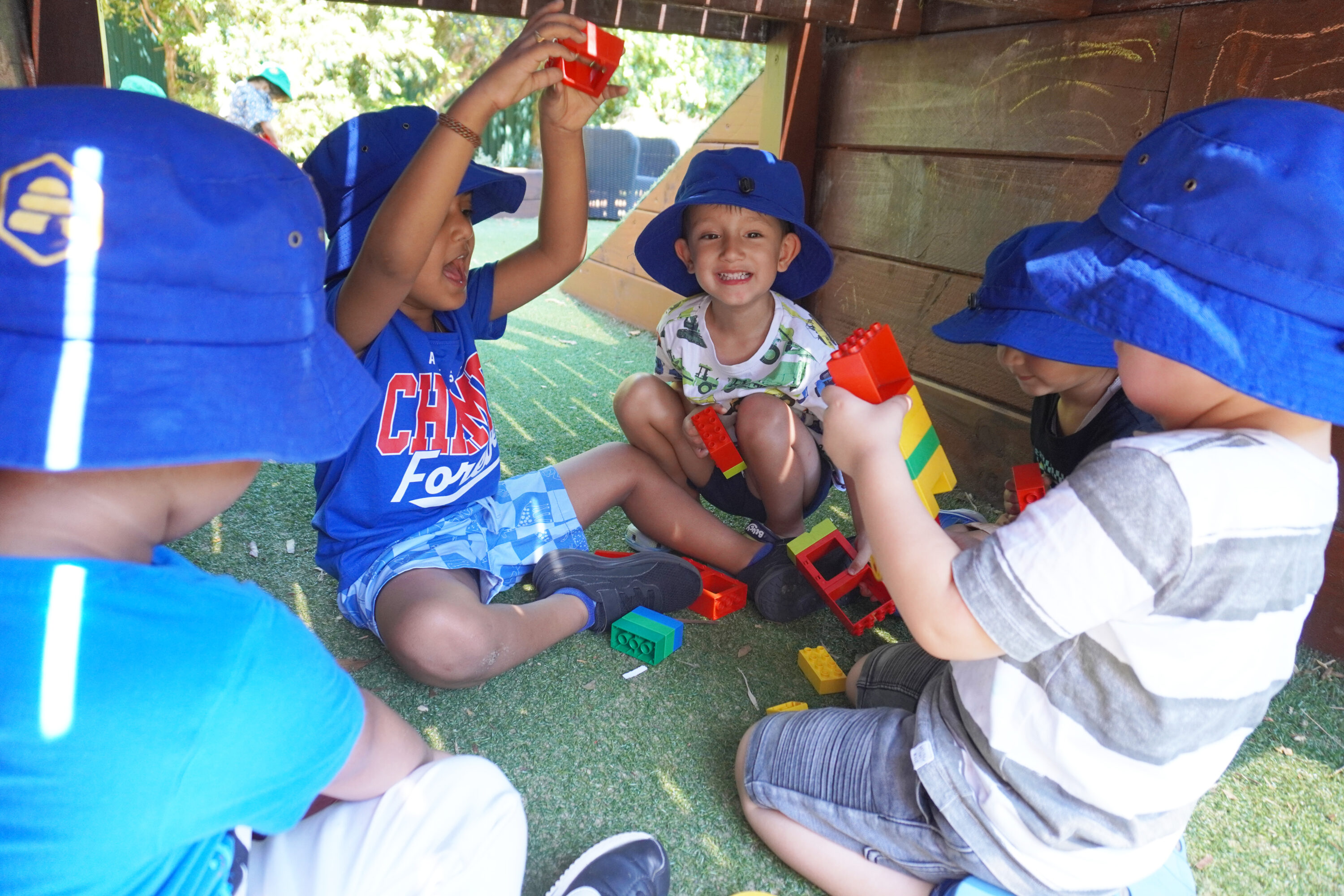
  • Collaborative play and engagement with groups of children – turn-taking.

Share This Post

More To Explore

Faith, Belonging and Community

Grounded in the Catholic faith and open to all, our learning communities welcome families from all backgrounds, cultures and faith traditions.

Guided by the values of Respect, Encouragement and Care, educators support children to:

  • Develop kindness, empathy and gratitude
  • Build respectful relationships
  • Care for others and the environment
  • Develop confidence and a sense of belonging
  • Recognise and value diversity within the community

Faith and spirituality are experienced in age-appropriate and meaningful ways through:

  • Prayer and reflection
  • Stories, celebrations and traditions
  • Shared values and respectful relationships
  • Participation in school and community events
  • Experiences of care, inclusion and belonging

Educators nurture children’s natural sense of curiosity, wonder and connection to the world around them while supporting them to grow as caring, thoughtful and respectful individuals.

As part of a Catholic community, children experience opportunities to build connections with:

  • Educators and families
  • School and parish communities
  • Cultural and community celebrations
  • Shared events and experiences
  • The wider world around them

Transitioning to Kindergarten

At Ambrose, transition to school is viewed as a gradual and supportive journey where children build confidence, familiarity and a sense of belonging before their first day of school.

Throughout the year, educators intentionally support children to develop:

  • Confidence participating in group learning experiences
  • Listening and communication skills
  • Independence and self-help skills
  • Emotional regulation and resilience
  • Attention, persistence and flexible thinking
  • Positive relationships and social confidence
  • Familiarity with routines and transitions


Families are supported throughout the transition process through:

  • Ongoing communication and transition discussions
  • Parent-teacher interviews and learning updates
  • Transition to School Statements
  • Opportunities to connect with educators and school communities

Social and Emotional Development

At Ambrose, children are part of a connected Catholic school community where relationships, belonging and wellbeing are intentionally nurtured every day.

Grounded in the values of respect, encouragement and care, our nurturing learning environments support children to feel:

  • Safe and supported
  • Confident to participate and try new things
  • Connected to others and their community
  • Valued as capable learners
  • A strong sense of identity and belonging


Social and emotional learning is embedded throughout the day through:

  • Collaborative play experiences
  • Group discussions and reflection
  • Intentional teaching moments
  • Problem solving and conflict resolution
  • Structured routines and expectations
  • Prayer, wellbeing and relationship building


Through intentional play-based learning, structured routines and shared experiences, children develop:

  • Confidence and independence
  • Positive relationships and friendships
  • Emotional awareness and self-regulation
  • Resilience
  • Communication and collaboration skills
  • Respect, empathy and kindness

Mathematical Thinking and Inquiry

At Ambrose, mathematical thinking is developed through intentional play-based learning, inquiry, investigation and hands-on learning experiences that encourage children to explore, question and problem solve.

The Ambrose Foundations program supports children’s learning about mathematical concepts and applying them in their play and inquiries including STEAM experiences, construction, investigation and collaborative learning.

Children become familiar with:

  • Patterns and predictions
  • Shapes and spatial thinking
  • Measurement and data
  • Quantity and counting


Teachers intentionally plan for children’s Mathematical Inquiry and thinking, supporting children to develop:

  • Early number awareness
  • Problem solving and critical thinking
  • Pattern recognition
  • Spatial awareness
  • Reasoning and prediction skills
  • Confidence exploring mathematical concepts
  • Curiosity and inquiry skills

Language and Literacy

Strong literacy foundations begin with language, communication and connection. Children develop literacy skills through meaningful, hands-on experiences that connect learning to their everyday lives, interests and the natural world.

As part of the Catholic school community, Ambrose supports literacy development through a seamless continuum of learning from early childhood into kindergarten and the early years of school.

Through intentional play-based learning and literacy experiences, children build the confidence, communication skills and early learning foundations that support a successful transition into school.

  • This approach fosters the development of:
  • Oral language and communication skills
  • Vocabulary and comprehension
  • Listening and attention skills
  • Confidence participating in group discussions
  • Early literacy understanding
  • Phonological awareness
  • Curiosity about books, stories and language