Healthy Lunchboxes

Ambrose Early Learning is committed to implementing the key messages outlined in Munch & Move, a NSW Health initiative, and in supporting the National Healthy Eating Guidelines. We acknowledge the critical role of educating both children and families on the benefits of nutritious foods and active lifestyles.
 

What children eat during their day at school plays a crucial role in their learning and development. Ambrose encourages families to create healthy and enjoyable lunchboxes.

What to Pack

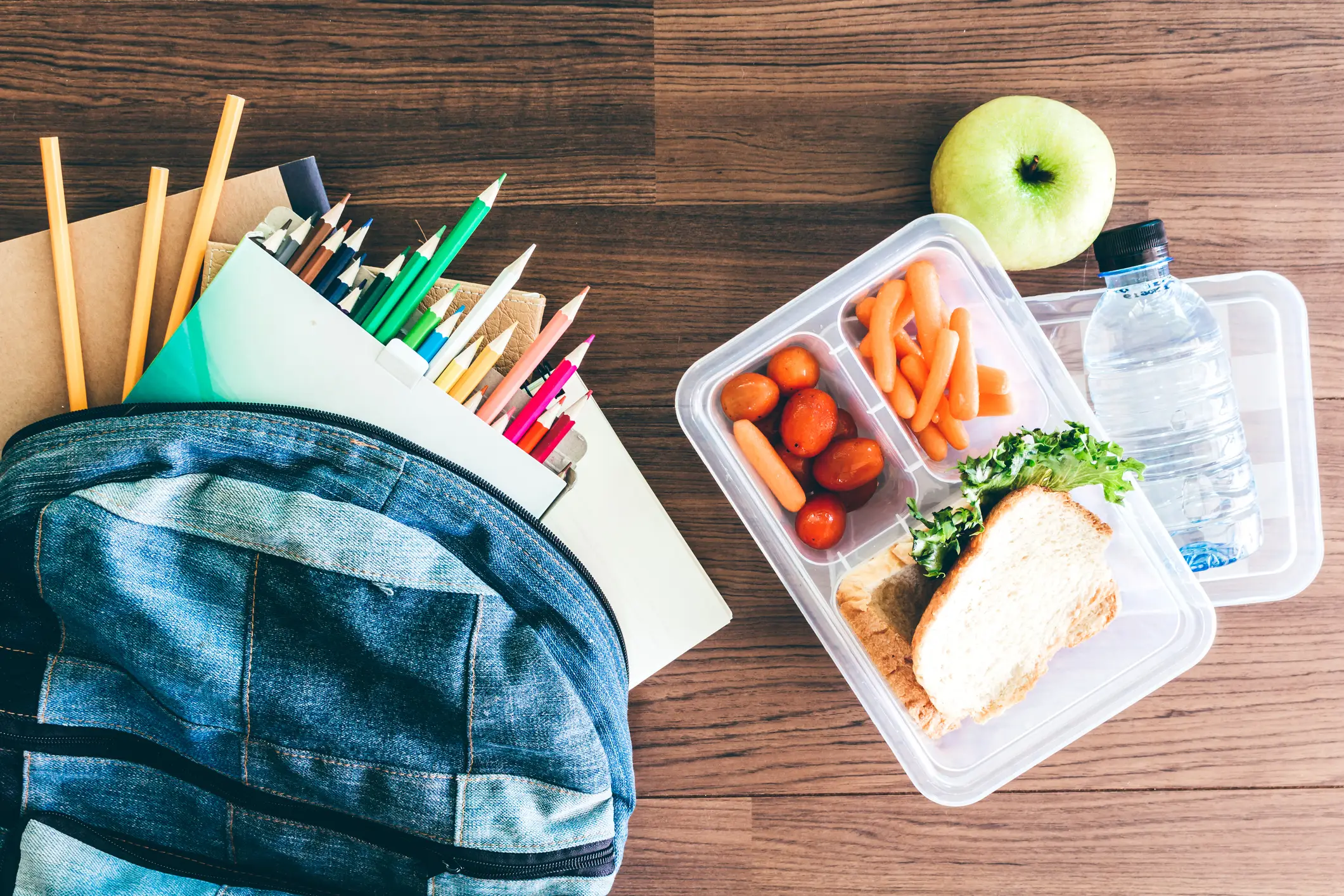
Here are some examples of healthy items to include in your child’s lunchbox.

Fruit & Vegetables
Fruit and vegetables will provide a good daily source of vitamins, minerals and dietary fibre. All chopped fruit and vegetables can be easily packed into small containers for the lunchbox, making them quick and easy to eat.

  • Fresh fruit like apple, pear, strawberries, cucumber, carrot, celery sticks, green beans


Breads & Cereals
Bread, grains and cereal foods provide important nutrients and energy for busy, growing children. Wholegrain or wholemeal varieties are the best choices.

  • Sandwiches, crackers, pasta, wraps, rice


Meat & other Protein Foods
Meat and other protein foods provide protein and iron. Limit the use of sausages and processed luncheon/deli meats (eg devon and salami) as they are high in saturated fat and salt.

  • Cold roast beef, lamb, pork, chicken, baked beans, hardboiled egg


Dairy Food
Dairy foods, such as milk, yoghurt, custard and cheese are an important source of protein and calcium. Reduced fat milk and dairy foods (approx. 2% fat) are suitable for most children over 2 years of age.

  • Cheese slice, yoghurt, custard, plain milk


Water
Water is the best thirst quencher and the best choice of drink for every lunchbox. Tap water is safe so you do not need to buy bottled water.

Do Not Pack

Leave out snack foods and drinks that are high in added sugar, saturated fat or salt.

Such as:

  • lollies, chocolates, jelly cups
  • cakes, doughnuts, sweet muffins
  • plain sweet/cream-filled biscuits
  • muesli /cereal bars
  • fruit bars and fruit straps
  • potato chips
  • corn chips
  • cheesy balls, twists
  • small oven-baked savoury biscuits
  • devon and salami
  • cordial and soft drink
  • fruit juice
  • flavoured mineral water
  • fruit juice drinks
  • sports drinks

For further information on healthy eating we encourage families to check out the following links.

Healthy Kids NSW Munch and Move Fact Sheet. Click here 

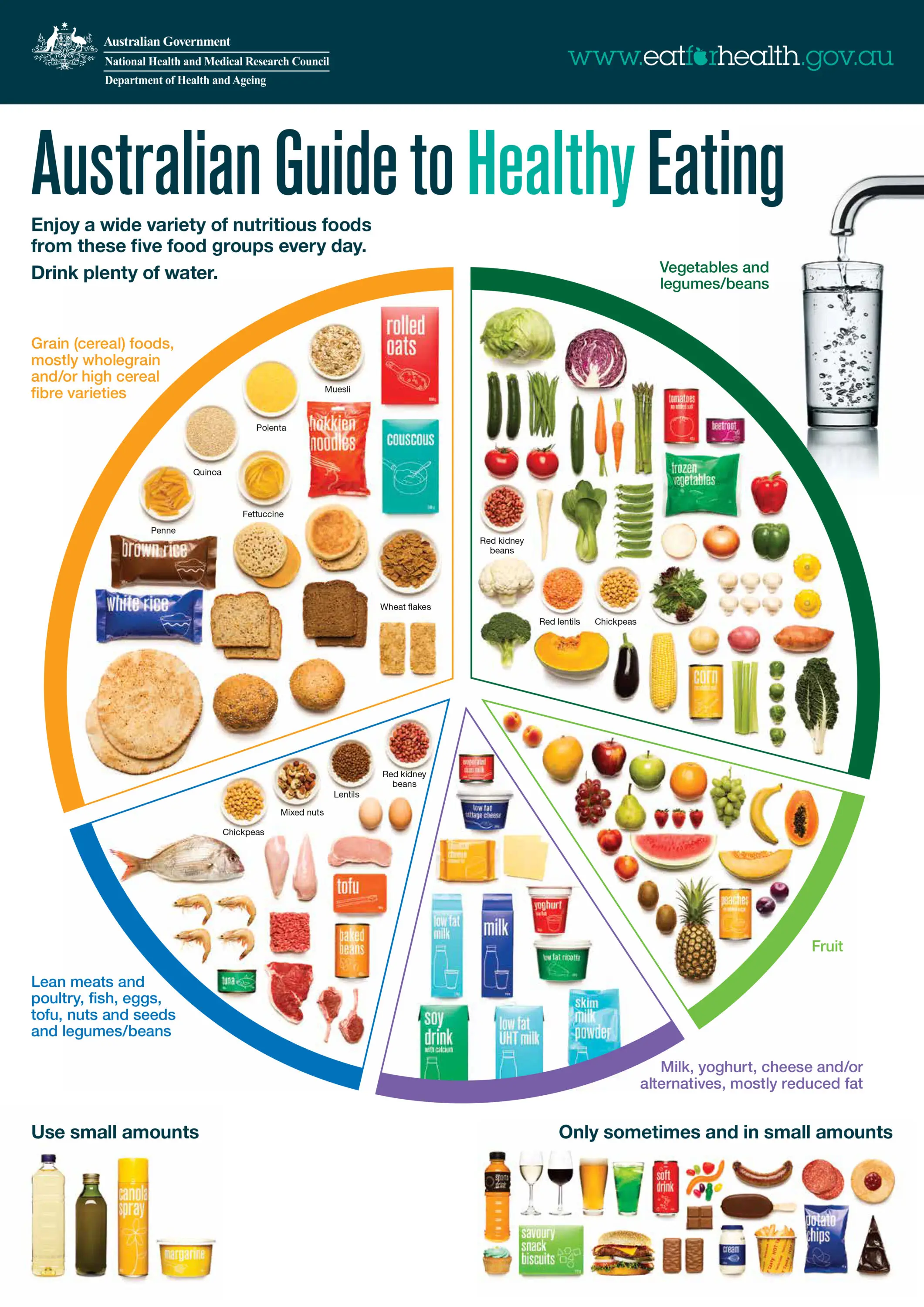
The Australian guide to healthy eating is a food selection guide which visually represents the proportion of the five food groups recommended for consumption each day. Click here

Share This Post

More To Explore

Faith, Belonging and Community

Grounded in the Catholic faith and open to all, our learning communities welcome families from all backgrounds, cultures and faith traditions.

Guided by the values of Respect, Encouragement and Care, educators support children to:

  • Develop kindness, empathy and gratitude
  • Build respectful relationships
  • Care for others and the environment
  • Develop confidence and a sense of belonging
  • Recognise and value diversity within the community

Faith and spirituality are experienced in age-appropriate and meaningful ways through:

  • Prayer and reflection
  • Stories, celebrations and traditions
  • Shared values and respectful relationships
  • Participation in school and community events
  • Experiences of care, inclusion and belonging

Educators nurture children’s natural sense of curiosity, wonder and connection to the world around them while supporting them to grow as caring, thoughtful and respectful individuals.

As part of a Catholic community, children experience opportunities to build connections with:

  • Educators and families
  • School and parish communities
  • Cultural and community celebrations
  • Shared events and experiences
  • The wider world around them

Transitioning to Kindergarten

At Ambrose, transition to school is viewed as a gradual and supportive journey where children build confidence, familiarity and a sense of belonging before their first day of school.

Throughout the year, educators intentionally support children to develop:

  • Confidence participating in group learning experiences
  • Listening and communication skills
  • Independence and self-help skills
  • Emotional regulation and resilience
  • Attention, persistence and flexible thinking
  • Positive relationships and social confidence
  • Familiarity with routines and transitions


Families are supported throughout the transition process through:

  • Ongoing communication and transition discussions
  • Parent-teacher interviews and learning updates
  • Transition to School Statements
  • Opportunities to connect with educators and school communities

Social and Emotional Development

At Ambrose, children are part of a connected Catholic school community where relationships, belonging and wellbeing are intentionally nurtured every day.

Grounded in the values of respect, encouragement and care, our nurturing learning environments support children to feel:

  • Safe and supported
  • Confident to participate and try new things
  • Connected to others and their community
  • Valued as capable learners
  • A strong sense of identity and belonging


Social and emotional learning is embedded throughout the day through:

  • Collaborative play experiences
  • Group discussions and reflection
  • Intentional teaching moments
  • Problem solving and conflict resolution
  • Structured routines and expectations
  • Prayer, wellbeing and relationship building


Through intentional play-based learning, structured routines and shared experiences, children develop:

  • Confidence and independence
  • Positive relationships and friendships
  • Emotional awareness and self-regulation
  • Resilience
  • Communication and collaboration skills
  • Respect, empathy and kindness

Mathematical Thinking and Inquiry

At Ambrose, mathematical thinking is developed through intentional play-based learning, inquiry, investigation and hands-on learning experiences that encourage children to explore, question and problem solve.

The Ambrose Foundations program supports children’s learning about mathematical concepts and applying them in their play and inquiries including STEAM experiences, construction, investigation and collaborative learning.

Children become familiar with:

  • Patterns and predictions
  • Shapes and spatial thinking
  • Measurement and data
  • Quantity and counting


Teachers intentionally plan for children’s Mathematical Inquiry and thinking, supporting children to develop:

  • Early number awareness
  • Problem solving and critical thinking
  • Pattern recognition
  • Spatial awareness
  • Reasoning and prediction skills
  • Confidence exploring mathematical concepts
  • Curiosity and inquiry skills

Language and Literacy

Strong literacy foundations begin with language, communication and connection. Children develop literacy skills through meaningful, hands-on experiences that connect learning to their everyday lives, interests and the natural world.

As part of the Catholic school community, Ambrose supports literacy development through a seamless continuum of learning from early childhood into kindergarten and the early years of school.

Through intentional play-based learning and literacy experiences, children build the confidence, communication skills and early learning foundations that support a successful transition into school.

  • This approach fosters the development of:
  • Oral language and communication skills
  • Vocabulary and comprehension
  • Listening and attention skills
  • Confidence participating in group discussions
  • Early literacy understanding
  • Phonological awareness
  • Curiosity about books, stories and language